Theopolis Logo

Writing

Explore our collection of theological essays, biblical studies, and reflections on faith and culture.

See all
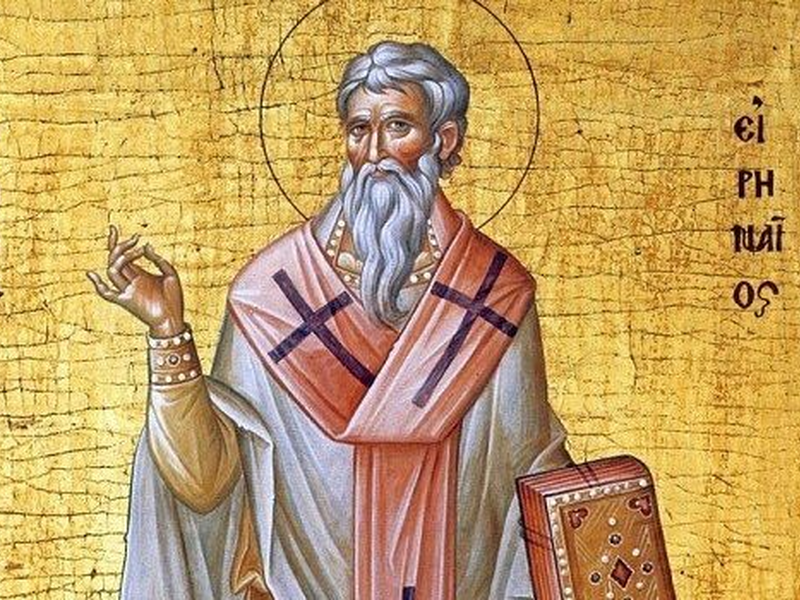
irenaeus-of-lyons-620x350
Anthropology

What Irenaeus’ Christology Teaches Us about the Goodness of our Bodies

The Christian tradition has always had an uneasy relationship with the materiality of creation. Dirt, liquid, sex, blood, and bodies—the world and the flesh stand in company with the Devil as two of the three great enemies of the saints. Mundus, caro, et diabolus , as the old Latin saying…

by Gerald HiestandSeptember 13, 2018

masada-aerial-crop
Biblical Studies

The Second Death in Liturgy and History

Since the destruction of Jerusalem was an event of earth-shattering covenantal significance, what might be the meaning of the subsequent tragic events at the desert fortress of Masada? In Hebrew, the name Masada means “strong foundation or support,” from a root meaning “to hunt, lie in wait for prey.” Located…

by Mike BullSeptember 11, 2018
pray-442560_1920
How to Worship

Cross My Heart

Take a long look at the photo above. To whom is this woman praying? It is hard to tell, isn’t it? Suppose we watch her for a while. We may see her bow low to the floor. Her lips may move, though perhaps it is too low for us to…

by Christopher KouSeptember 6, 2018
img_7664
Biblical Theology

The Problem of Psalm 137

Psalm 137 is widely regarded as one of the meanest of the imprecatory psalms. Certainly as we read it it is seems to be a song of pure vengeance. The exiles in Babylon, in grief over the judgment that Babylon has brought upon them, pray for the destruction of that…

by James B. JordanSeptember 4, 2018
covenant-epistemology
Course Recap

A Week with Esther Meek: Course Recap

Forty men and women came from all over the United States to attend the 2018 Trinity Term course at Theopolis. Pastors, students, teachers, an electrician, a city planner, and others from a variety of denominations spent five days at Beeson Divinity School studying covenant epistemology under the tutelage of philosopher…

by TheopolisAugust 31, 2018
last-supper
Matthew

Galilee of the Gentiles

Matthew records that Jesus "withdrew" to Galilee to begin His public ministry there after He "heard that John had been delivered up" (Mt. 4:12). Matthew’s typically matter-of-fact style veils the truly remarkable character of Jesus’ withdrawal. Matthew has been presenting Jesus as the Messiah, the Seed of Abraham and Son…

by Peter LeithartAugust 31, 2018

Showing page 88 of 309

See all

Showing page 24 of 43

See all
Philosophy

Pure gift

In his Reveries of the Solitary Walker (Oxford World’s Classics) , Rousseau muses on the “complete and utterly disinterested benevolence” that he would show if he could avoid “forming an attachment to anyone in particular” and “taking on the burden of any responsibilities.” If only he could be entirely anonymous,…

September 19, 2012

Trinity Institute - What They’re Saying

It was Jodocus van Lodenstein, the Dutch reformer, who first coined epigram, ‘Ecclesia reformata semper reformanda est secundum Verbum Dei: the church is reformed and always being reformed according to the Word of God.’ Central to that ongoing reforming work in our day is the recovery of richly Biblical worship.…

September 19, 2012

Sermon notes

INTRODUCTION As He has done before (Isaiah 41:1), Yahweh again summons the peoples to court to present their cases against Him (43:8-9). In the courtroom of history, Israel is a witness in Yahweh’s favor (43:10, 12; 44:8), proving that Yahweh alone is God (43:10). At the center of His defense…

September 17, 2012

Un-Angry God

Patrick Coleman notes in his Anger, Gratitude, and the Enlightenment Writer (pp. 9-10) that early Enlightenment writers didn’t necessarily dismiss God. They merely defanged him: “Enlightenment writers were acutely conscious of the ways in which secular as well as ecclesiastical authorities could brandish the image of an angry God to…

September 15, 2012
Politics

Limited government

Locke ( Two Treatises of Government ) argues that political authority, because it exists only by the consent of free people, cannot exercise power beyond the purposes for which it was constituted. Because it exists for the protection of property, it cannot have power to take property without consent. He…

September 15, 2012
Biblical Studies

Father and mother

At the beginning of the first of his Two Treatises of Government , John Locke refutes the Scriptural arguments of Robert Filmer’s Patriarcha ( Filmer: ‘Patriarcha’ and Other Writings (Cambridge Texts in the History of Political Thought) ). Filmer claims that political authority is grounded in paternal authority, and characterizes…

September 15, 2012

Showing page 871 of 2212

Browse by Category

In Medias Res

Your weekly digest for all things Theopolis.

Donate

Theopolis is nearly 100% donor-supported. Consider joining us on our mission.