Theopolis Logo

Writing

Explore our collection of theological essays, biblical studies, and reflections on faith and culture.

See all
cloister

Gatekeepers

1 Chronicles 9:1 seems to bring the genealogies of 1 Chronicles to an end. The Chronicler has recorded the genealogy of the human race from Adam, focusing on the descendants of Abraham through Jacob. Summing it all up, he says, “So all Israel was enrolled by genealogies; and behold, they…

by Peter LeithartJune 21, 2016
trinity-1-2
Trinity

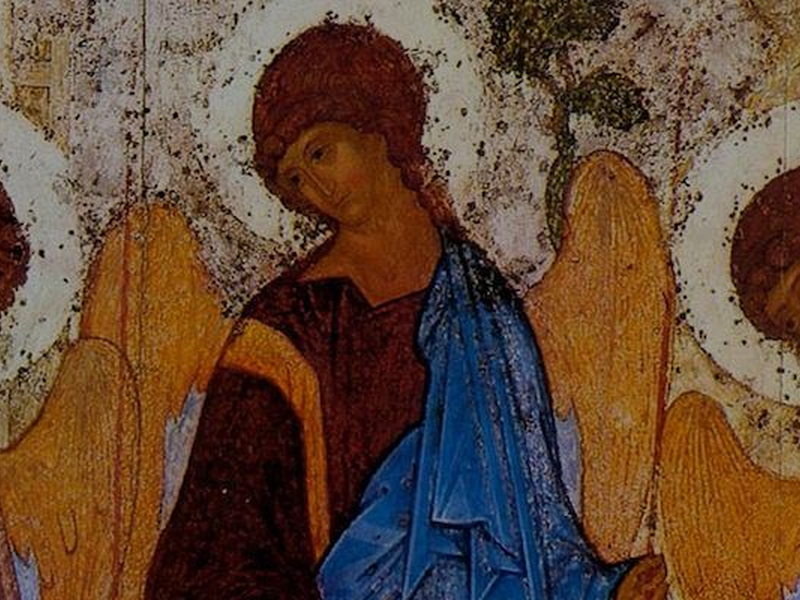
Are the Divine Persons Persons?

The “personalist” understanding of the Trinity, articulated most influentially in the work of John Zizioulas, has fallen on hard times. Recent scholars have attacked Zizioulas’s idea that Cappadocian Trinitarianism represented an ontological revolution, hammering on the distinction between divine and human personhood. Michel Barnes’s conclusion is the most drastic of…

by Peter LeithartJune 16, 2016
img_4660-2
Architecture

On Biblical Theology

Biblical Theology is often defined as the historical unfolding of God’s revelation, or of God’s revelation and of the history of his covenantal redemption and transformation of humanity and the world. In practice, Biblical Theology is usually broader than this, and also includes the study of literary structure and of…

by James B. JordanJune 14, 2016
laughing_statue_by_xxbobbiie-d5f0meh-2
Humor

Wise Laughter

We are made to be happy. Created to enter into the eternal joy of God, our whole being inclines to that end, but the fallen world has put forth barriers and by our own sin we bar ourselves from that endless delight, and death blinds us to that reality. Yet…

by Remy WilkinsJune 7, 2016
img_7664
Liturgy

Why Theopolis? Take Two

At the end of Revelation, John sees the heavenly city descending to earth. The city shines with the brilliance of God's glory, which lightens the nations, so that kings bring their glory to the city. This is not a vision of the final new heaven and new earth. It's a…

by Peter LeithartJune 2, 2016
trinity-1-2
Attributes of God

How Can We Talk About God?

“No one has ever seen God,” writes John (John 1:18). If this is the case, then how can we speak about God? Some people say we actually cannot. Or at least we cannot speak about God positively, i.e. who He is. We can only say who or what God is…

by Bogumil JarmulakMay 31, 2016

Showing page 130 of 309

See all

Showing page 25 of 43

See all
Literature

Austen and Enlightenment

Michael Caines reviews Peter Knox-Shaw’s Jane Austen and the Enlightenment in the March 4 issue of the TLS . Caines provides a nice overview of the debates concerning Austen’s political views and alleged social conservatism before turning to Knox-Shaw’s particular contribution, who argues that Austen was a child of the…

March 20, 2005
History

Victor Davis Hanson

This post is currently missing due to a server crash. Perhaps in the future, Dr. Leithart will re-write it. — Admin.

March 19, 2005
Philosophy

Bulls***

I caught a few minutes of an interview with Harry Frankfurt on some late night TV show recently. In a venue dominated by stars, the appearance of an Ivy League philosopher was, shall we say, surprising. Less surprising, though, when it became clear that he was speaking on the topic…

March 19, 2005
Theology

Response to Mississippi Valley Report

My work is cited several times in the recent Mississippi Valley Presbytery Report on the New Perspective and the Federal Vision. Since that Report has been widely cited and discussed, I suppose some response is in order. I am not responding to all of the points where I am cited,…

March 18, 2005
Theology

More on Hart, The Beauty of the Infinite

Hart has previously discussed various postmodernism options for aesthetics, showing how postmodernism reduces to an ontology of violence or a discourse of the sublime. Now he turns to Nietzsche to ask whether he provides a possible future for thought. III. The Will to Power. Hart suggests that in Nietzsche, the…

March 17, 2005

Alter on Douglas

Robert Alter reviews Mary Douglas’s latest book, Jacob’s Tears: The Priestly Work of Reconciliation , in the March 3 issue of the London Review of Books . Douglas’s book deals with two main areas, the first historical and the second anthropological. Alter finds the first section unpersuasive; from his description,…

March 9, 2005

Showing page 1999 of 2212

Browse by Category

In Medias Res

Your weekly digest for all things Theopolis.

Donate

Theopolis is nearly 100% donor-supported. Consider joining us on our mission.