Theopolis Logo

Writing

Explore our collection of theological essays, biblical studies, and reflections on faith and culture.

See all
screen-shot-2022-05-12-at-12-07-23-pm
Leviticus

The Theology of the Drink Offering

The drink offering or libation ( nesek ) is mentioned in only three places in the book of Leviticus. When the sheaf of the firstfruits was waved before the Lord, a grain offering was to be burned, along with "its libation, a fourth of a hin of wine [approx. one…

by Peter LeithartJuly 17, 2018

aaron-burden-qjdzyt_k8xg-unsplash
Atonement

Limited Atonement & J. I. Packer

When I became a Calvinist it wasn't long before I learned that John Owen’s The Death of Death in the Death of Christ was regarded as the masterful treatise on what is known as "Limited Atonement"--the "L" in the TULIP mnemonic device for "the five points of Calvinism." This wasn't…

by Mark HorneJuly 12, 2018
30211-bathsheba-800w-tn
Hermeneutics

Bathsheba: The Real Story

One of the advantages of paying very close attention to the details in the Bible, especially chronological and genealogical details, is that they can shed light on situations that don’t seem to make much sense apart from them. One such situation is that of Bathsheba. It appears that Bathsheba willingly…

by James B. JordanJuly 10, 2018
img_7664
Leviticus

The Oddness of the Feast of Booths

The Feast of Ingathering in the seventh month of the Sinaitic calendar is also called the Feast of Sukkoth, of Booths, also called Feast of Tabernacles. I have usually called it by that last phrase, and it is the most common today; but there is a problem: A tabernacle is…

by James B. JordanJuly 5, 2018
alec-guinness-with-george-lucas
Matthew

A Universe Less Expanded

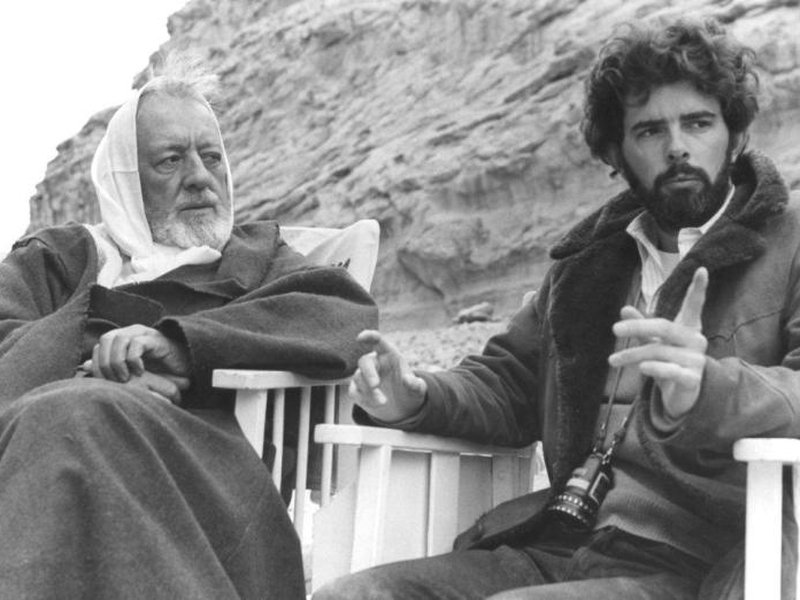
When Matthew’s Gospel was first read aloud to the fledgling Christian congregations, the experience must have been like seeing the words “A long time ago in a galaxy far, far away…” appear afresh on cinema screens in 1999. Yet, unlike The Phantom Menace, the New Testament did not disappoint. Why?…

by Mike BullJuly 3, 2018
screen-shot-2018-06-28-at-9-29-39-am
Art

Seeking Integration in a Fragmented World: Kintsugi Integration

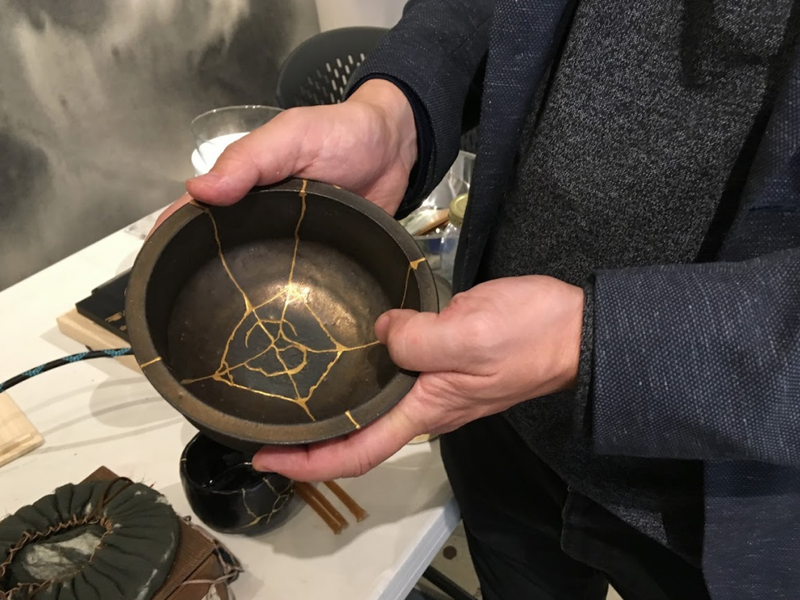
Fragmentation and integration are phenomena which artist Makoto Fujimura feels bodily, and about which he is concerned profoundly. What do these mean for him? How may we draw his insights into this ongoing consideration—itself integrative—of integration in a fragmented world? Thus far I have been acquainting you with matters already…

by Esther Lightcap MeekJune 28, 2018

Showing page 91 of 309

See all

Showing page 25 of 43

See all

Why Now?

Jesus prayed that the church's unity would reflect the unity of the Father and Son. Paul urged the Ephesians to cultivate the virtues of peace that would express the sevenfold unity of the church (Ephesians 4). That demand is a perennial one. But we've been divided for a long time.…

March 12, 2015

Fragile Fruitfulness

Israel is a vine, transplanted from Egypt (Psalm 80; Isaiah 5). She exists to produce wine that gladdens the hearts of men. Israel is the Dionysian people. Ezekiel brings out another dimension of the vine image: “Son of man, how is the wood of the vine better than any wood…

March 12, 2015

Judgment to the Corners

The oracle of judgment in Ezekiel 14:12-23 is structured as a fourfold judgment: sword, famine, beasts, plague (v. 21). The descriptions of judgment are laid out in four paragraphs that use repetitive, stereotyped language. Throughout, Yahweh says that even the intercession of Noah, Daniel, and Job could not rescue Judah…

March 12, 2015
Fairy Tales

The Political Economy of Fairy Tales

In a TLS review of several recent books on fairy tales, Fracesca Wade points to the political context and economic setting of early folk and fairy tale collections. Inspired by Herder, the Grimms, she observes, intended to recover Germanitas by study of natural German poetry: “Although the brothers drew widely…

March 12, 2015

Remembering the Present

In his Deja Vu and the End of History , Italian philosopher Paolo Virno explores the phenomenology of memory, especially in its relation to philosophies of history. The deja vu of the title isn't a metaphor; following Henri Bergson, Virno argues that it represents “the untrammelled extension of memory's jurisdiction,…

March 11, 2015

Potential, Act, and Violence

Paolo Virno ( Deja Vu and the End of History ) observes that potential and act occur simultaneously. Take language: “The language faculty irrupts into becoming in concomitance with the phrase that I am speaking. It appears precisely now, as I speak, neither before nor afterwards: but, note, right now…

March 11, 2015

Showing page 453 of 2212

Browse by Category

In Medias Res

Your weekly digest for all things Theopolis.

Donate

Theopolis is nearly 100% donor-supported. Consider joining us on our mission.