Theopolis Logo

Writing

Explore our collection of theological essays, biblical studies, and reflections on faith and culture.

See all
img_5862
Culture

Birmingham Life and Culture Series

There’s something about joy that is infectious. And occasionally, we all have the opportunity to be in someone’s presence who is so happily engaged in their work, so joyous in their pursuits, that we want to learn from them. We want to know where that joy comes from and attain…

by Brian MoatsOctober 23, 2015
img_6077
How to Worship

How To Change the World, (Part 1)

Jesus has told us that He intends all nations to be discipled. Nations. Not just individuals. All nations as theocracies. That being the case, the Church exists for the life of the world. Being baptized is not only a matter of becoming part of a new family, it is also…

by James B. JordanOctober 22, 2015
branagh-macbeth
Literature

Adam, Saul, Macbeth

Harold Bloom’s essay on Macbeth includes the kind of penetrating insights that make Bloom the great Shakespearean scholar that he is, but it also includes his typical and intense anti-Christian bias. “If Lear was pre-Christian, then Macbeth is weirdly post-Christian. There are, as we have seen, Christian intimations that haunt…

by Ralph Allan SmithOctober 20, 2015
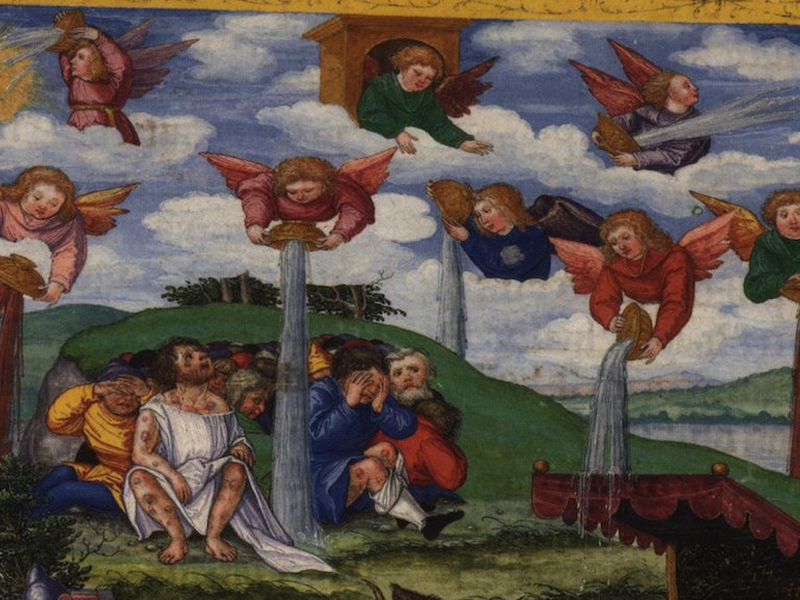
bowls
Revelation

Inverted Atonement

Revelation 16 is a day of atonement text. The tabernacle of the testimony has been opened (15:5). The angels who receive the bowls are clothed in linen (15:6), the clothing of the high priest when he goes into the sanctuary on the day of atonement (Leviticus 16:4). The temple is…

by Peter LeithartOctober 15, 2015
img_9025
Biblical Studies

Music and Hermeneutics

From time to time, when I’ve lectured on how to read the Bible, I’ve used art-music as one example thereof. When we listen to a simple folk song, we hear the same melody over and over again, but this is not how composers write "high" music. Let me amplify. A…

by James B. JordanOctober 13, 2015
schlanger_jonah_prison_090913_620px
Biblical Studies

In the Fish: The Church as Tomb

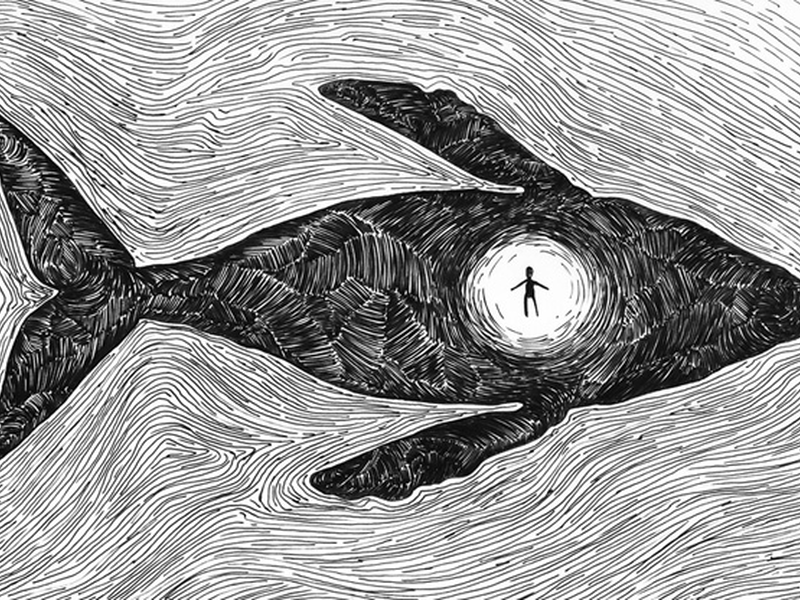
"For just as Jonah was three days and three nights in the belly of the sea-monster, so will the Son of Man be three days and three nights in the heart of the earth" (Matthew 12:40). Some reflections on Jonah’s Big Fish have led to the following essay. Let me…

by James B. JordanOctober 8, 2015

Showing page 142 of 309

See all

Showing page 25 of 43

See all

High Church Classicism

In a recent PhD dissertation from Florida State, Margaret Armstrong traces the connections between the Oxford movement and Jane Harrison’s Prolegomena to the Study of Greek Religion . Harrison “practiced a wild, emotional brand of High Churchism and that its traces linger in her letters and her autobiography and further…

February 27, 2014

Symbolic politics

I reflect on the political potency of symbolism at Canon and Culture, the web site of the SBC’s Ethics and Religious Liberty Commission.

February 27, 2014

Separation to God

Klawans ( Purity, Sacrifice, and the Temple ) is disturbed by the gap between studies of biblical purity and studies of sacrifice. Mary Douglas proposed that Levitical purity was not primitive, but systematic, symbolic, and socially functional. Even those who are unconvinced by her proposals has to take Levitical purity…

February 26, 2014

God the Priest

Klawans helpfully reminds us of the pre-preparations for sacrifice ( Purity, Sacrifice, and the Temple ). To offer an animal, an Israelite has to have one, and it has to be unblemished. Worshipers begin by being shepherds and herdsmen, and they have to be careful ones. Careful like Yahweh: “Israel’s…

February 26, 2014

Ritual and Moral Defilement

In his first book, Impurity and Sin in Ancient Judaism , Jonathan Klawans explores the complex relations of sin and impurity in biblical law and later Jewish thought. He distinguishes between “ritual defilement” that arises from unavoidable natural processes and “moral defilement” that arises from sin. In Purity, Sacrifice, and…

February 26, 2014

Anthropologizing the Anthropologists

In his Taboo , Fritz Steiner observed that the discovery of Polynesian taboo customs was a “Protestant discovery” (50). Admitting that this was a historical accident, he still thought it worth remarking, and thought it contained a clue to 19th-century obsessions with taboo: “The problem of taboo became extraordinarily prominent…

February 26, 2014

Showing page 672 of 2212

Browse by Category

In Medias Res

Your weekly digest for all things Theopolis.

Donate

Theopolis is nearly 100% donor-supported. Consider joining us on our mission.