Theopolis Logo

Writing

Explore our collection of theological essays, biblical studies, and reflections on faith and culture.

See all
screen-shot-2018-10-25-at-1-08-06-pm
John

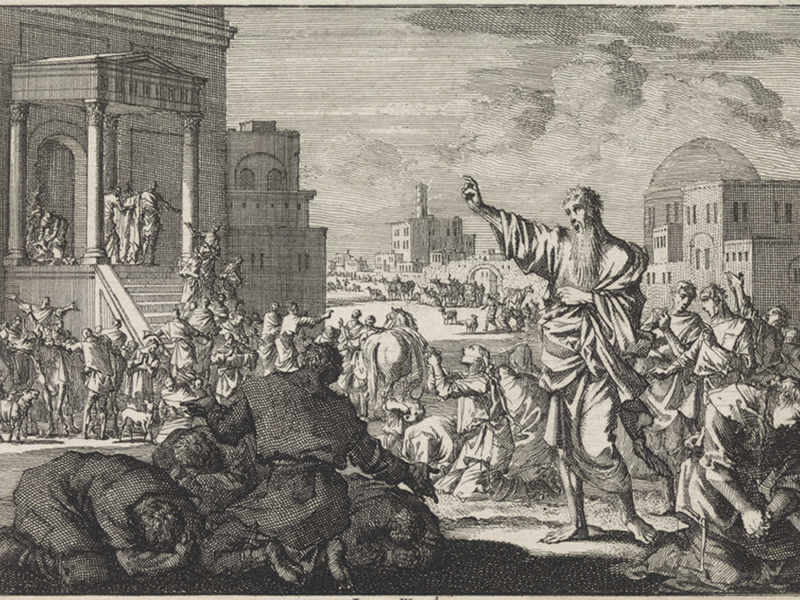
What did Jonah Know?

When a certain Samaritan village refused Jesus’ attempt to visit, James and John asked Jesus if they should call down fire from heaven upon it. The allusion to the story of Sodom and Gomorrah is evident, but, as the story shows, James’ and John’s thinking was entirely warped. Jesus rebuked…

by Ralph Allan SmithOctober 25, 2018
1zey30peztqultcxbanj1-q
Aristotle

The Relevance of Aristotle and the Role of Christ (Part 2)

In the first part of this essay, I considered paideia (formation)and mimesis (imitation) in the context of Aristotle’s virtue ethics and that of the New Testament. The overall concern is to realize how relevant is Aristotle’s ethics both to diagnosing our current malaise and to enculturing our children, though we…

by Bret SaundersOctober 23, 2018
screen-shot-2018-02-08-at-9-58-52-am
Epistemology

Seeking Integration in a Fragmented World: D.C. Schindler: The Integrative Ministrations of Delight

In these posts I am inviting you into my philosophical reflection about integration , the absence of which we feel palpably in our fragmented world. My hope is for us to understand it more deeply, and to be ourselves reintegrated in the process. At this point in this extended inquiry…

by Esther Lightcap MeekOctober 18, 2018
1zey30peztqultcxbanj1-q
Aristotle

The Relevance of Aristotle and the Role of Christ (Part 1)

It’s hard to imagine someone, centuries from now, mistaking our culture for a moral highpoint in the history of the West. Increasingly the news is dominated by school shootings, abusive policing, sexploitation of women, and increasing rates of suicide, addiction, and divorce. In response, the Left calls for regulations, surveillance,…

by Bret SaundersOctober 16, 2018
img_4660-2
Prayer

God’s Promise to Hear Us

“The righteous cry out, and the Lord hears, and delivers them out of all their troubles. The Lord is near to those who have a broken heart, and saves such as have a contrite spirit.” (Ps. 34:17-18) God is listening. He is listening when we ask Him for financial provision,…

by Lindsey TollefsonOctober 11, 2018
baptism-of-christ
Baptism

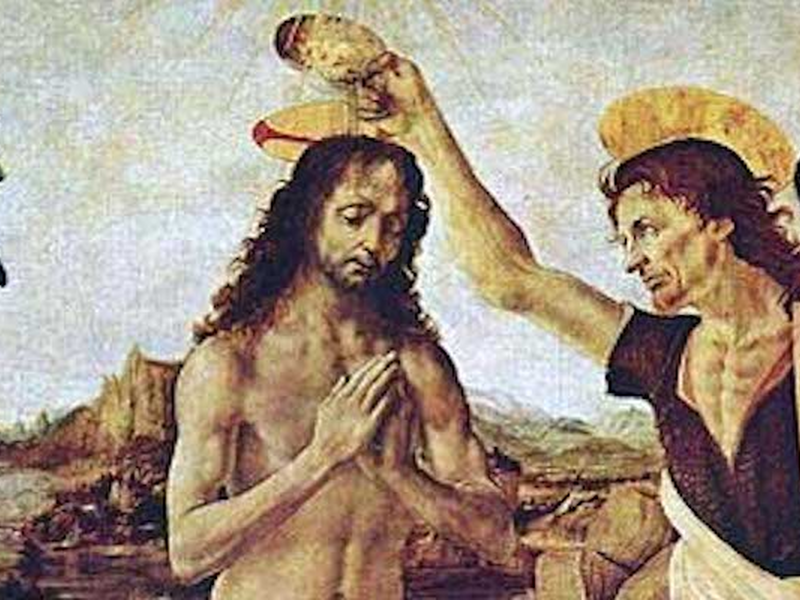
Transfiguration and Jesus’ Baptism

The allusions to Mt. Sinai in the transfiguration story point to Jesus as a new Moses and even more as Yahweh, the God who met Moses and Elijah on the mountain. The fact that Jesus, Moses, and Elijah spoke of Jesus’ “exodus” suggests that the mountain of transfiguration was intended…

by Ralph Allan SmithOctober 9, 2018

Showing page 86 of 309

See all

Showing page 25 of 43

See all

The Body Assumed

The Servant comes, and the arm of the Lord is revealed (Isaiah 53:1). The Servant’s face and form are marred, stricken, pierced, crushed, chastened, scourged. It looks like the body that’s already there, the body of Israel: “Where will you be stricken again, as you continue in rebellion? The whole…

March 21, 2013

No form, no face

According to the NASB, Isaiah 53 says that the Servant has “no stately form ( to’ad ) or majesty ( hadar ) that we should look upon Him, nor appearance ( mar’eh ) that we should desire ( chamad ) Him” (v. 2). Two of those three terms appeared at…

March 21, 2013

Desolated

Yahweh’s Servant prospers (or “deals prudently”), and so is raised, lifted, exalted greatly (Isaiah 52:13). But that exaltation is paradoxical, surprising, since the Servant that is lifted up is mangled and marred more than any of the sons of Adam (v. 14). The word translated as “astonished” ( shamem )…

March 21, 2013
Biblical Studies

Judgment according to works

The New Testament says several times that there is a day of accounting coming when all will be judged according to their deeds (Matthew 16:27; Romans 2:6; 2 Corinthians 5:10). In Romans 2 especially, this is an individual accounting: God “will render to every man according to his deeds” (Paul…

March 21, 2013

Egoism and evil

Self-obsessed egoism is not, Zizek argues ( Violence: Six Sideways Reflections ), the essence of evil, and the “true opposite of egotist self-love is not altruism, a concern for the common good, but envy, ressentiment , which makes me act against my own interest.” The true evil is (citing Freud)…

March 20, 2013
Politics

No Higher Cause

We are often told that we live in a “post-political” era or an era of “bio-politics.” Slavoj Zizek ( Violence: Six Sideways Reflections , 40-2) defines the post-political as “a politics which claims to leave behind old ideological struggles and instead focus on expert management and administration” and “bio-politics” as…

March 20, 2013

Showing page 770 of 2212

Browse by Category

In Medias Res

Your weekly digest for all things Theopolis.

Donate

Theopolis is nearly 100% donor-supported. Consider joining us on our mission.