Theopolis Logo

Writing

Explore our collection of theological essays, biblical studies, and reflections on faith and culture.

See all
woman-bw
Grace

Never Be Dismayed

I'm afraid of messing up. Not just of messing up in general, but of messing this up—the big This that is the story that is my life, the story that God is attempting to tell with me as His material. The question casts its shadow over all my decisions. Can…

by Leta SundetOctober 6, 2015
jesus-with-sword
Revelation

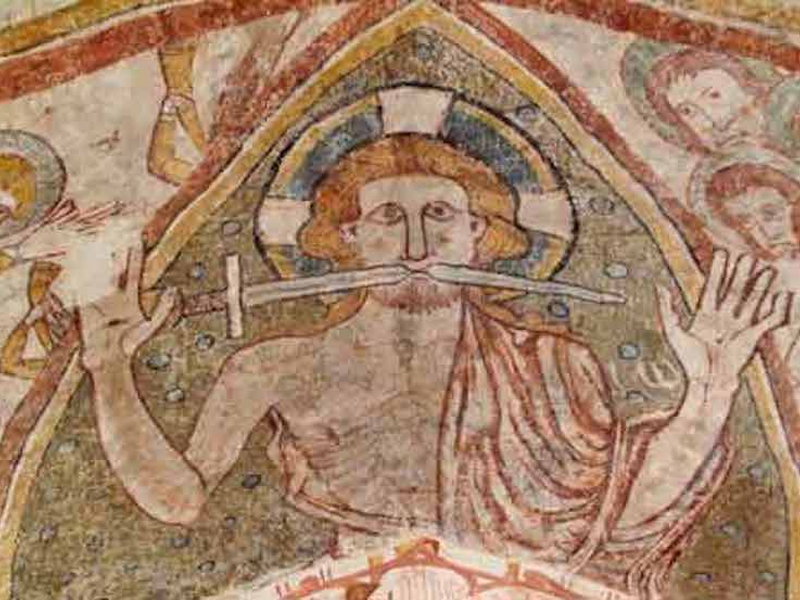
Greater Phinehas

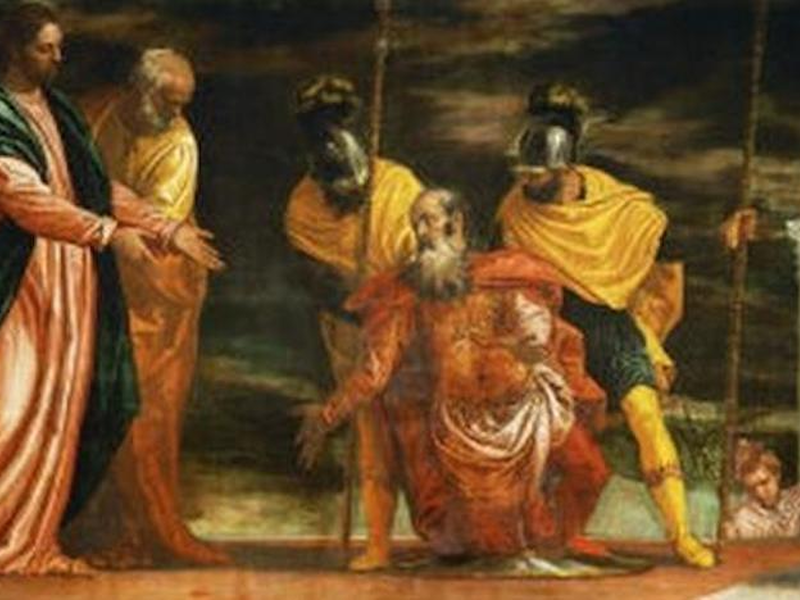
Jesus’ letter to Pergamum mentions Balaam and Balak (Revelation 2:14), and that is a signal that the whole message is running along the lines of Numbers 22-25. The death of the high priest is a sacrificial moment in the life of Israel. According to the rules of the cities of…

by Peter LeithartOctober 1, 2015
marriage
Marriage

The Glory of Self-Giving: A Wedding Homily

As you come to be joined in marriage today, I want to take a moment to focus on one important dimension of what it means to be married as Christians: that is as those who know Jesus and are being made into His likeness. This is a glorious day, full…

by Joshua AppelSeptember 29, 2015
jesus-centurion
Authority

Authority and Faith

When Jesus was entered into Capernaum, there came unto him a centurion, beseeching him, saying, “Lord, my servant lieth at home sick of the palsy, grievously tormented.” Jesus saith unto him, “I will come and heal him.” The centurion answered and said, “Lord, I am not worthy that thou shouldest…

by Lindsey TollefsonSeptember 24, 2015
creation-eve-2
Genesis

The Two Shall Become One Flesh: A Wedding Homily

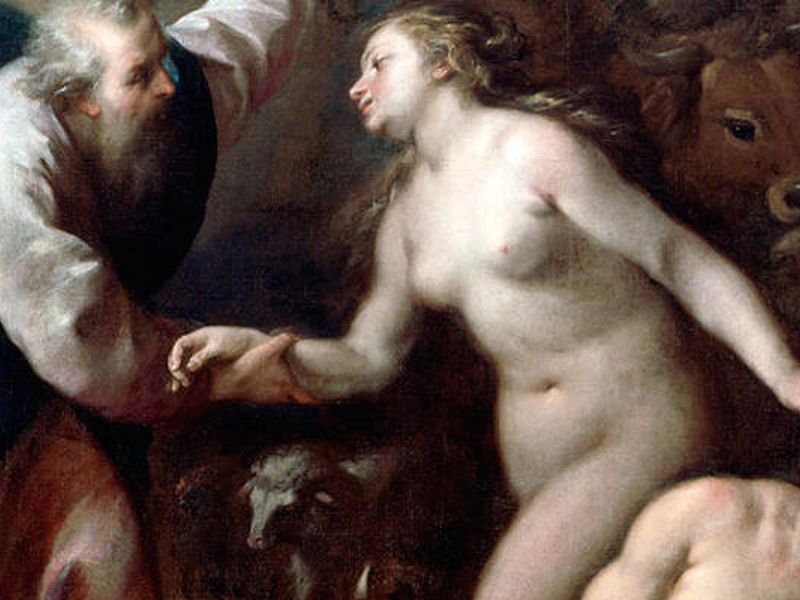
Philosophers have measured mountains, Fathom'd the depths of seas, of states, and kings, Walk'd with a staff to heaven, and traced fountains But there are two vast, spacious things, The which to measure it doth more behove: Yet few there are that sound them; Sin and Love. The Agonie –…

by Joshua AppelSeptember 22, 2015
john-baptist-pointing
Luke

Of Sandals and Heroes

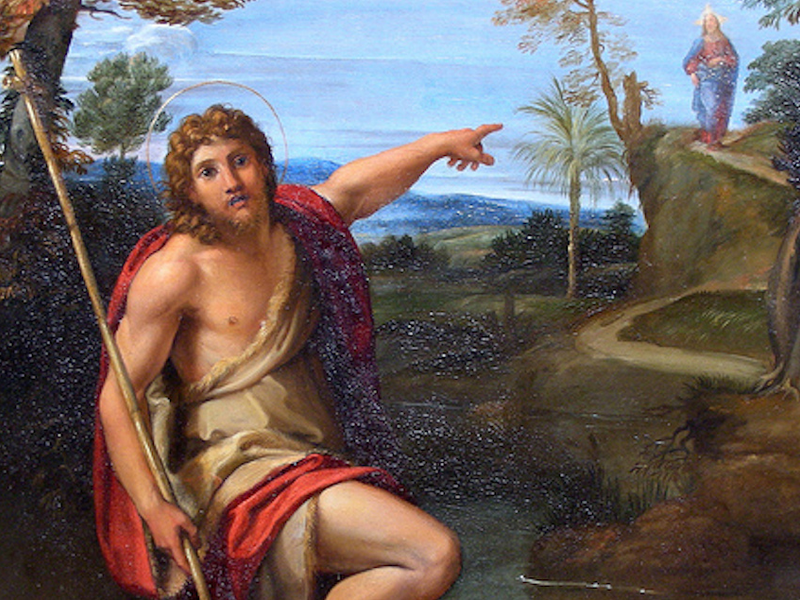
The third chapter of Luke famously opens with a list of mighty men, seven mighty men, potential heroes of the Mediterranean world. Beginning with Tiberius Caesar and Pontius Pilate, passing on to Herod the Tetrarch and his brothers, and ending with two High Priests, Luke says that the word of…

by Toby SumpterSeptember 17, 2015

Showing page 143 of 309

See all

Showing page 26 of 43

See all
Philosophy

Transcendent Aristotle

Anatolios makes the striking observation that Aristotle’s “Unmoved Mover” is even more transcendent than Plato’s form of the good. For Plato, being is self-communicative, and his most exalted realities (the form of the good, the forms) are participatable. Not Aristotle’s UM, which just thinks thinking in total self-absorption, while everything…

October 23, 2008
History

Islam and Christology

Henry Chadwick notes that the “alienation of Egypt and much of Syria from the Chalcedonian government was a serious political matter, and gravely weakened those key provinces before the Moslem invasions.”

October 20, 2008
History

Ecumenical councils

Were the ecumenical councils infallible? Many in the early church clearly didn’t consider them so. The most vigorous, and vicious, arguments over Arius took place between Nicea and First Constantinople, and the Monophysite controversy continued for a century and more after Chalcedon had condemned Eutyches (as well as Nestorius). Nestorianism…

October 20, 2008
History

Julian the Zionist

Henry Chadwick notes that Julian the Apostate tried to gain Jewish support by proposing to rebuild the temple in Jerusalem: “although Julian had little but contempt for Judaism, he was well aware that a proposal to restore sacrificies in a rebuilt temple at Jerusalem would touch the Christians at a…

October 19, 2008
History

Bible or Lombard?

Much of the theology instruction in the high middle ages took the form of commentary on established texts, most importantly the Four Books of the Sentences by Peter the Lombard. Lombard’s triumph, though, was contested. As Deeana Klepper points out in her book on Nicolas of Lyra, one of the…

October 19, 2008
Philosophy

Pietist philosopher

Jean Blum characterized Hamann’s thought as follows: “Hamann’s thought is what those who do not normally think would think if they did think.” That gets it pretty well, as does Berlin’s comment that Hamann “was a major force in transforming the ideas which hitherto had lived in small, self-isolated religious…

October 19, 2008

Showing page 1458 of 2212

Browse by Category

In Medias Res

Your weekly digest for all things Theopolis.

Donate

Theopolis is nearly 100% donor-supported. Consider joining us on our mission.