Theopolis Logo

Writing

Explore our collection of theological essays, biblical studies, and reflections on faith and culture.

See all
31-03-0213
Hermeneutics

Apocalyptic Eyes

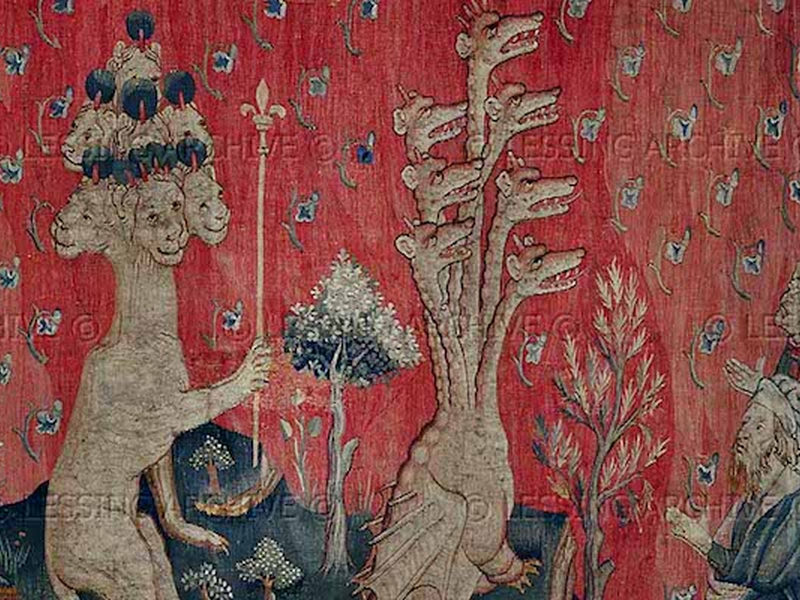
Flying scrolls. Red horses. Beasts coming out of the sea. Winged women. The list goes on. Apocalyptic literature in the Bible is like a cross between science fiction and Marvel comics. And the Bible has a fair bit of this sort of thing. Daniel sees visions in Babylon, Zechariah sees…

by Toby SumpterNovember 4, 2014

bhm-skyline-2
Theopolis News

New Name, New Look

Trinity House Institute has taken a new name, the Theopolis Institute. This striking new name expresses our unique vision and mission and captures the unified purpose behind all our specific programs and activities. We still have Bible, liturgy, and culture in our tagline. We still offer the same courses on…

by TheopolisNovember 4, 2014
istock_000012860926small
Atonement

Not Fearing the Devil

Adam Kotsko offers a socio-political variation on the Christus Victor atonement theory in his 2010 study, The Politics of Redemption: The Social Logic of Salvation . He does this by explaining "the devil" in terms of the Hegelian concept of "objective spirit," Geist . As Kotsko puts it, Geist "refers…

by Peter LeithartOctober 13, 2014
jez-timms-8muutamcwu4-unsplash
Leviticus

The Meaning of Sacrifice

Two factors keep Nahtali Meshel from discussing the meaning of sacrifice until late in his The "Grammar" of Sacrifice . The first has to do with the texts he draws from: "P says little about the meaning of its rituals" (174). The other has to do with the grammatical theory…

by Peter LeithartOctober 8, 2014
jez-timms-8muutamcwu4-unsplash
Leviticus

Praxemics

Chapter 5 of Naphtali Meshel's The "Grammar" of Sacrifice focuses on "praxemics," the physical actions of sacrificial ritual. Praxemes are constituted by six elements: an "atomact," an elementary physical act or gesture; an actor; an object that is acted up; a target for the action and often for the object…

by Peter LeithartOctober 6, 2014
markus-winkler-aid-xyrtlec-unsplash
Leviticus

Jugation and Hierarchy

Two chapters of Naphtali Meshel’s The “Grammar” of Sacrifice cover what he calls “jugation” and “hierarchies.” The first involves the addition of other materials to an animal offering. Jugates include wine, cereal, and oil that are added to the animals (zoemes) that are offered in sacrifice. Some jugates are coordinated…

by Peter LeithartOctober 1, 2014

Showing page 167 of 309

See all

Showing page 26 of 43

See all

The Rites of Rock

Charon Ross offers a brilliant analysis of rock concerts as ecstatic experiences ( Gifts Glittering and Poisoned , 132-4). The concert is a carefully orchestrated symbolic constellation “designed to enable the spectator to have experiences of ecstasy so wonderful and powerful that they are difficult to capture with words. Euphoria…

November 6, 2015

We Were Never Modern

What Do Pictures Want? seems an odd title for a book on picture theory. WJT Mitchell intends his title to highlight the “double consciousness” that we have toward images. “why is it that people have such strange attitudes toward images, objects, and media? Why do they behave as if pictures…

November 6, 2015

The Altar Call

Detached from the Eucharistic liturgy, preaching is at sea. Preachers announce the gospel and call our people to faith. We also want to give them something to do. There are dangers on both sides: We may so much emphasize the grace of God that we provide sophisticated excuses for passivity…

November 5, 2015
Abortion

Whose Body Is It?

A year ago, Sarah Ditum wrote a piece for The New Statesman that compared abortion with organ donation, pointing out that the demands on a pregnant woman's body are far greater than the demands laid on organ donors: “giving away a bagful of gore or a chunk of liver that…

November 5, 2015

The Politics of Lear

According to Fintan O'Toole's NYRB review , James Shapiro's The Year of Lear helps to unravel some of the mysteries of that most haunting of Shakespeare's tragedies. O'Toole nicely captures why the play is so haunting: “King Lear is not apocalyptic, it is far worse. Instead of deserved damnation and…

November 5, 2015

The Poets of War

Geert Buelens's Everything To Nothing offers a European-wide review of the poets writing before and during World War I. It is a tour de force , recalling forgotten poets to vivid life and setting better-known poets in a new European context. The poets, he argues, were not only observers but…

November 4, 2015

Showing page 354 of 2212

Browse by Category

In Medias Res

Your weekly digest for all things Theopolis.

Donate

Theopolis is nearly 100% donor-supported. Consider joining us on our mission.