Theopolis Logo

Writing

Explore our collection of theological essays, biblical studies, and reflections on faith and culture.

See all
cain-killing-abel-unknown-19th-century
Biblical Horizons

The Servant of the Ground

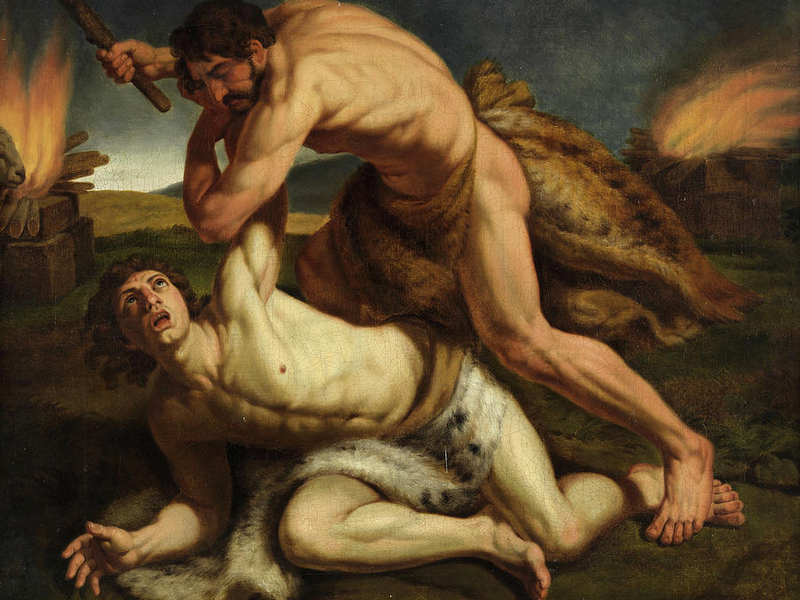
Why was Abel’s offering approved and Cain’s rejected? This question has been debated for many centuries. Some have argued that Cain’s offering was rejected because it was not a bloody offering; others that Cain’s offering was rejected because it was not from the firstfruits; others that Cain’s offering was rejected…

by Peter LeithartSeptember 19, 1990

timothy-eberly-djj49s6ud2o-unsplash
Luke

The Unjust Steward Revisited

Last year I had occasion to work through the book of Luke as I did some work for one of my editorial clients, and this year my pastor has been preaching through Luke. Thus, I have twice been reminded of the Parable of the Unjust Steward (Luke 16:1-13), a parable…

by James B. JordanSeptember 2, 1990
alfons-morales-ylswjsy7stw-unsplash-1
Biblical Chronology

The Mysterious Numbers of Edwin R. Thiele

We come now to what some have called the "Gordian Knot" of Biblical chronology: the period of the kings of Israel and Judah. We do not have a summary figure that tells exactly how long this period of time was. The book of Kings provides the years each king reigned,…

by James B. JordanSeptember 2, 1990
screen-shot-2022-02-22-at-11-59-32-am
Matthew

Additional Reflections on the Dew of Hermon

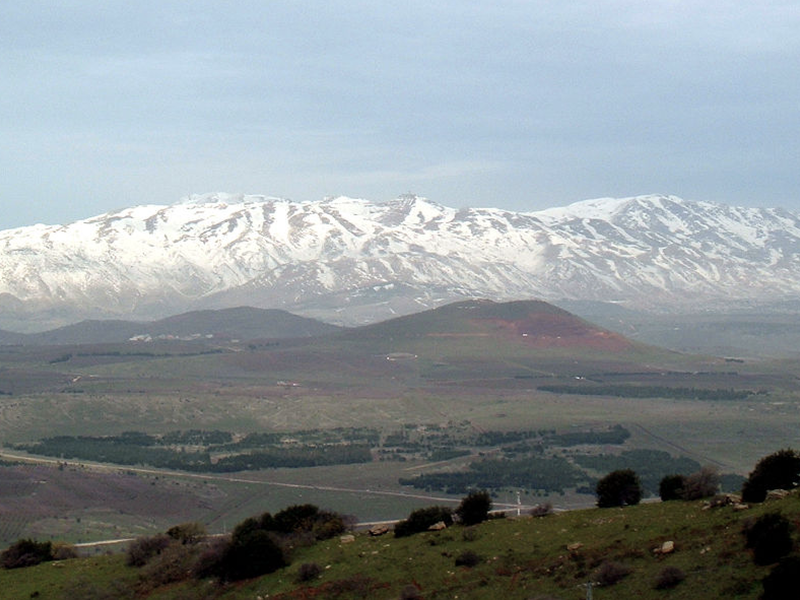
In an earlier article , while examining the biblical symbolism of dew, I noted the parallel in Psalm 133 between the dew upon Mount Hermon and the oil poured upon the head of Aaron. Both the dew of Hermon and the oil of ordination are compared to the pleasantness of…

by Peter LeithartAugust 19, 1990
screen-shot-2021-07-15-at-9-01-42-am
Biblical Horizons

Cornelius van der Waal, "The Covenantal Gospel"

The Covenantal Gospel was the last book written by the remarkable South African theologian and exegete Cornelius van der Waal. Two other works of van der Waal’s have been translated: Hal Lindsey and Biblical Prophecy , and Search the Scriptures . Because this book was written in 1979, it does…

by James B. JordanAugust 2, 1990
biljana-martinic-igj_21drt3g-unsplash
Beer

The Evangelical Cocaine Lobby

A year or so ago, my wife and I were invited to a Christian school in order to preview a film on drug abuse that was going to be shown to our children. One of the children in this film turned out, of course, to be using drugs. This child’s…

by James B. JordanAugust 2, 1990

Showing page 302 of 309

See all

Showing page 26 of 43

See all

Fated Adventure

According to Michael Nerlich ( Ideology of Adventure ), “all figures of the Greek and Latin novels of adventure are ‘involuntary’ adventurers.” Mikhail Bakhtin too ( Dialogic Imagination ) emphasizes that in earlier adventures “an individual can be nothing other than completely passive, completely unchanging” and function as “merely the…

May 1, 2015

Siegfried in Victory and Defeat

Winder McConnell ( Nibelungenleid , 98-99) sketches the changing uses of the epic in the mid-20 th century: “During the Weimar Republic, the themes and motifs of the Nibelungenlied had been employed by authors of antirepublican persuasion to express optimism for Germany’s future, but poets and dramatists sympathetic to the…

May 1, 2015

Wagner, Tristan, Love

In an essay in A Companion to Gottfried of Strassburg's Tristan , Ulrich Muller argues that “In Tristan und Isolde Wagner radically transformed the meaning and message of Gottfried’s romance, just as he had in Parsifal. As cast by Gottfried (and in all medieval versions), the lovers and their love…

May 1, 2015

Art of Divine Love

Andreas Capellanus literally wrote the book on the Art of Courtly Love , but the concluding Book 3 suggests that the book was a cautionary tale throughout. Capellanus closes the treatise with an exhortation to Walter, the man to whom the book is addressed to abstain from the desires of…

April 30, 2015

Liberal Arts in Middle Ages

Even today, when historians have abandoned the idea, many regard the Middle Ages as a time dark and ignorant, the huddled masses in shadows until the burst of light that came with the Renaissance and then the Enlightenment. For centuries, it is often thought, medieval thinkers knew little of the…

April 30, 2015

Allegorizing Homer

Allegorization was one of the techniques medieval used, adapted from ancient writers, to incorporate pagan writing in a biblical framework. As Ernst Curtius ( European Literature and the Latin Middle Ages ) writes, “the Middle Ages subjected profane writers to allegorical interpretation exactly as it did the Bible, and .…

April 30, 2015

Showing page 432 of 2212

Browse by Category

In Medias Res

Your weekly digest for all things Theopolis.

Donate

Theopolis is nearly 100% donor-supported. Consider joining us on our mission.