Theopolis Logo

Writing

Explore our collection of theological essays, biblical studies, and reflections on faith and culture.

See all
25f3baab-e5a9-42ec-aab6-649e53879085-3
Revelation

Rescuing Revelation: Part II

This is Part II of a 2-part essay. For Part 1, click HERE . Covenant context Most Bible teachers apply the teachings of Jesus and the Apostles directly to Christians today without any thought of the historical – and more importantly, legal – context. The ministry of Christ and the…

by Mike BullOctober 10, 2017

25f3baab-e5a9-42ec-aab6-649e53879085-3
Revelation

Rescuing Revelation: Part 1

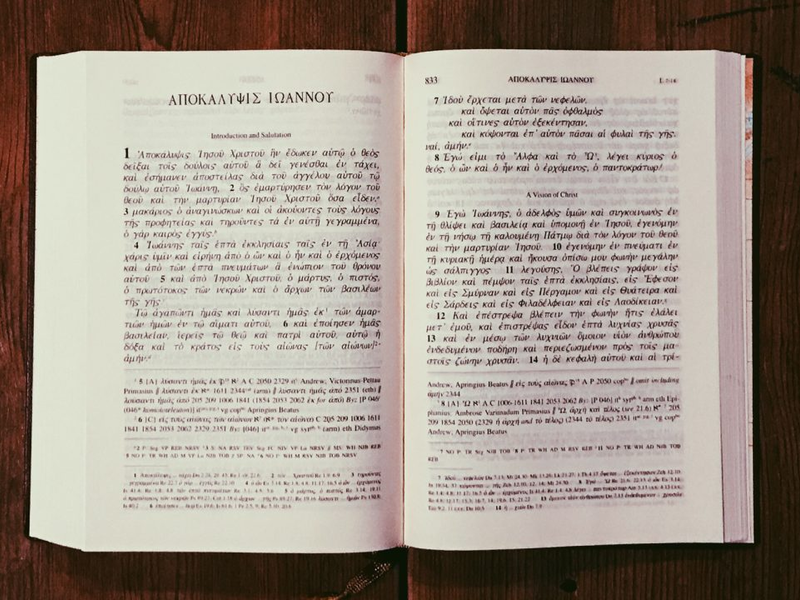
Introduction The book of Revelation polarises Christians. Some become obsessed with ‘cracking its code’ while others throw it into the too hard basket. Thankfully, recent advances in biblical theology enable us to liberate this enigmatic book from both mistreatment and obscurity. The prophecy is attractive to some because of its…

by Mike BullOctober 5, 2017
aaron-burden-1ebsmyrau-s-unsplash
Biblical Theology

Abraham's Life as a Type

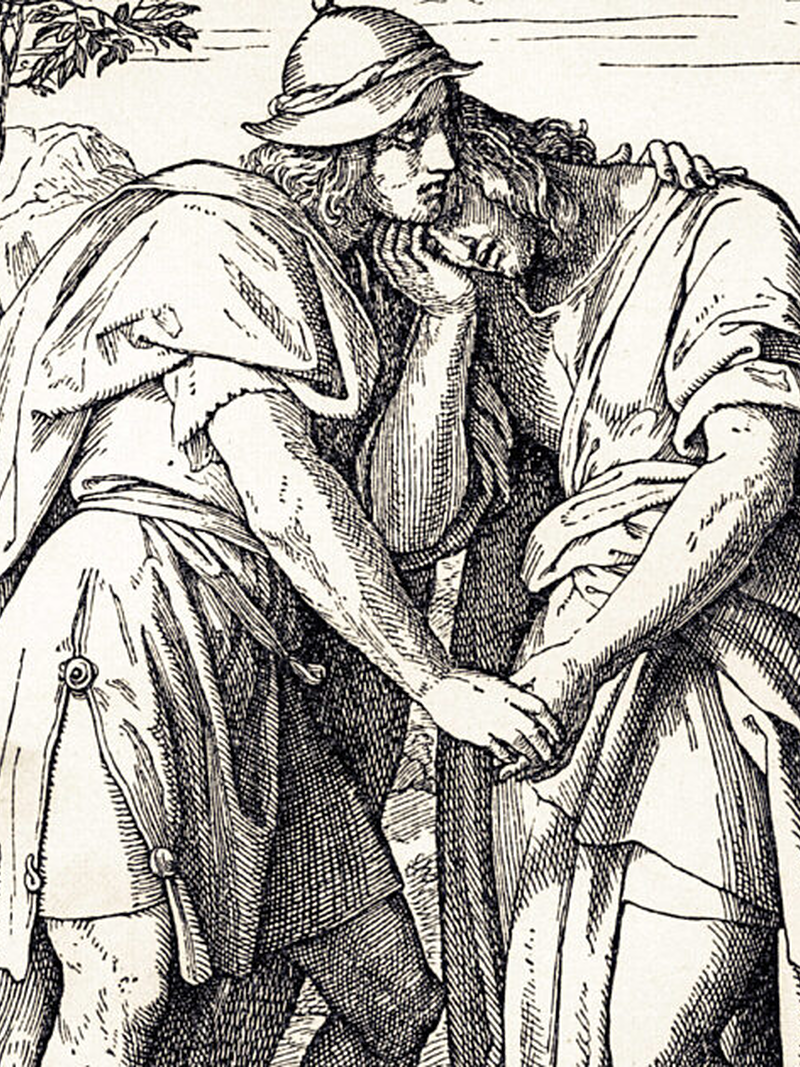
I'm considering the possibility that the life of Abraham as recounted in Genesis contains a typological prophecy of the history of Israel; that is, that the events in Abraham’s life broadly anticipate events in Israel’s history. This kind of pattern is seen in the case of Moses, for instance, because…

by James B. JordanOctober 3, 2017
e99a7787
Culture

Teenagers and the Smartphone Beast

According to this recent article in The Atlantic , teenage promiscuity is decreasing. Apparently there is a general "decline in dating" which also "tracks with a decline in sexual activity." The figures are startling: The drop is the sharpest for ninth-graders, among whom the number of sexually active teens has…

by Steve JefferySeptember 28, 2017
img_4660-2
Matthew

Fulfilling the First Commandment

"Jesus said to him, “‘You shall love the Lord your God with all your heart, with all your soul, and with all your mind.'" - Matthew 22:37 Jesus says that this is the most important commandment: to love God with our heart, soul, and mind. If we obey this command,…

by Lindsey TollefsonSeptember 26, 2017
david-weber-fwuo_zluhnw-unsplash
Eucharist

Strange and Glorious New Rites

At the last supper, Jesus took bread and, having given thanks, He broke it and gave it to His disciples while saying, "Take, eat, this is My body given for you. Do this for My memorial." What Jesus did was recognized by the disciples, because it took place every morning…

by James B. JordanSeptember 21, 2017

Showing page 105 of 309

See all

Showing page 27 of 43

See all

Reformation Rhetoric

Peter Matheson ( Rhetoric of Reformation ) recognizes that polemic is “both necessary and useful” (8). It enables underdogs to gain a foothold, and “enables us to see things as they are. Its caricatures are nearer to the truth than the smooth rhetoric and facile images beloved of politician, businessman…

April 13, 2017

Ladder to Heaven

2 Chronicles 3-4, the Chronicler's account of the temple, uses the phrase “left and right” several times. Jachin and Boaz, the two pillars, are “left and right” at the porch (3:17). Ten basins are set up in two groups of five on the left and right of the court (4:6).…

April 12, 2017

The Pillars that Huram Built

In her study of Leviticus as Literature , Mary Douglas notes the “house that Jack built” quality of the Levitical descriptions of sacrifice. Priests put animal parts on the wood that is on the fire that is on the altar. Douglas takes this as a sign that Leviticus describes sacrifice…

April 11, 2017

Pollution and Purgation in the Reformation

I n a famous essay on “rites of violence” in sixteenth-century France, Natalie Zemon Davis argued that one motivation behind mob violence was the desire to purge “the community of dreaded pollution. The word ‘pollution' is often on the lips of the violent, and the concept serves well to sum…

April 11, 2017

Creating the Temple

T he Chronicler's account of the construction of Solomon's temple (2 Chronicles 3:1-5:1) follows the creation week of Genesis 1 in general and in specific details. In general, the account moves from a description of the dimensions, materials and adornments of the three zones of the temple (porch, palace, most…

April 10, 2017

Weber the Idealist

R obert Scribner doesn't think Protestantism “disenchanted” the world. Reformers did attack certain forms of medieval “magic.” They rejected “sacramentals,” which were “functional” rituals that could be used as protection against devils. This didn't produce a “buffered” world, impervious to outside influence. No one surpassed Luther in his obsession with…

April 7, 2017

Showing page 187 of 2212

Browse by Category

In Medias Res

Your weekly digest for all things Theopolis.

Donate

Theopolis is nearly 100% donor-supported. Consider joining us on our mission.