Theopolis Logo

Writing

Explore our collection of theological essays, biblical studies, and reflections on faith and culture.

See all
screen-shot-2020-07-28-at-7-12-05-am
John

A Conversation at the Sheep Pool (John 5)

One evening at dusk two men met under a portico near the North wall in Jerusalem. They greeted one another cordially and sat down on a stone bench. They were both Pharisees. One of the men appeared to be uncomfortable and kept looking around nervously. The other said, “Don’t worry,…

by Jeff MeyersJuly 28, 2020
screen-shot-2020-07-21-at-10-29-59-am
Christology

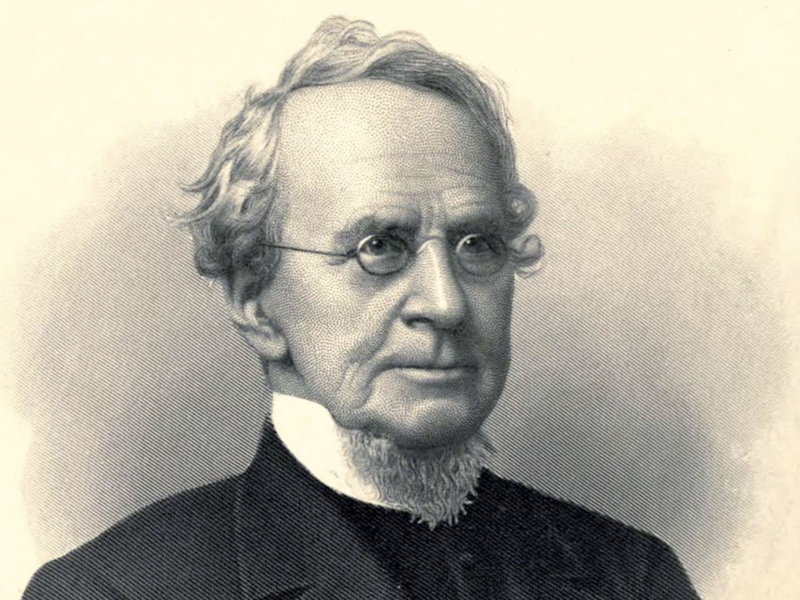
Real Union or Legal Fiction? | Nevin’s Controversy With Charles Hodge Over the Imputation of Adam’s Sin

John Williamson Nevin’s Controversy With Charles Hodge Over the Imputation of Adam’s Sin (with a Comparison to Robert L. Dabney) If one is blessed to discover George P. Hutchinsons’s monograph on Original Sin in nineteenth-century Reformed thought, 1 no student of American presbyterianism can fail to be fascinated. What once…

by Mark HorneJuly 21, 2020
thijs-van-diessen-ihhert2uh5y-unsplash-2
Biblical Theology

Fire on the Mountain

If you stop people on the street and ask them, “Where is God?” you’ll get a range of responses from a vague sense that He’s “up there somewhere” to a generic omnipresence (and it goes downhill from there!) What God does in Acts 2 challenges us to develop and apply…

by Tim NicholsJuly 14, 2020
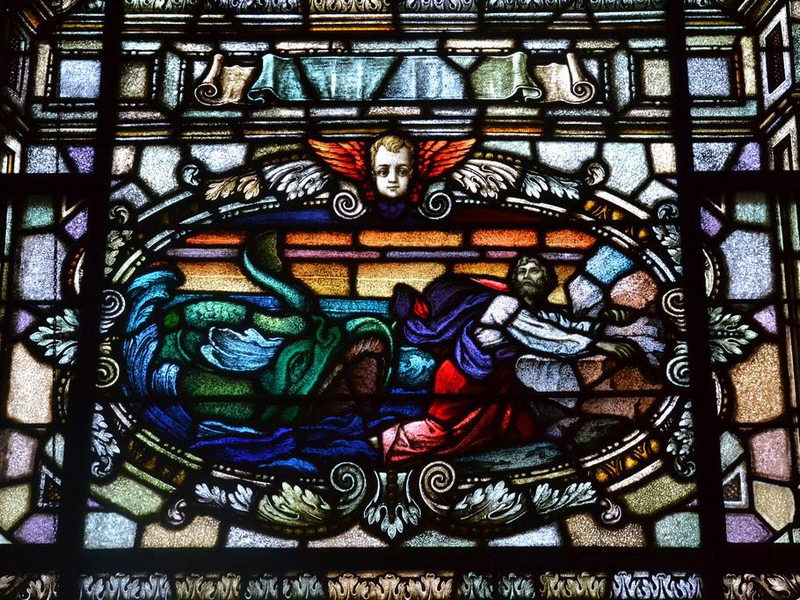
jonah
Matthew

The Sign of Jonah

Then some of the scribes and Pharisees answered him, saying, “Teacher, we wish to see a sign from you.” But he answered them, “An evil and adulterous generation seeks for a sign, but no sign will be given to it except the sign of the prophet Jonah. For just as…

by Ken HicksJuly 7, 2020
tanner-mardis-xuxghzhibn4-unsplash-2
Genesis

Lost Worlds?

John Walton believes that modern Christians have lost multiple worlds: The Lost World of Genesis One; The Lost World of Adam and Eve; The Lost World of Scripture; The Lost World of the Israelite Conquest; The Lost World of the Flood; The Lost World of the Torah. I believe this…

by Ralph Allan SmithJuly 2, 2020
stephanie-leblanc-z4lxu7niii4-unsplash
Interview

N.T. Wright on How the Church Should Respond to the Pandemic

How should the church respond to the pandemic? N.T. Wright has written a book which searches the depths of Scripture to answer this question. Our challenge is that we do not yet understand the pandemic, at least not with any degree of consensus. We don't know whose fault it is,…

by Jerry Bowyer & N.T. WrightJune 30, 2020

Showing page 65 of 309

See all

Showing page 28 of 43

See all
History

Constantine, Feminist

Mathew Kuefler ( The Manly Eunuch: Masculinity, Gender Ambiguity, and Christian Ideology in Late Antiquity (The Chicago Series on Sexuality, History, and Society) ) notes that the traditional Roman patria potestas , and the male sexual privileges associated with it, were already waning in the early empire. But Constantine gave…

June 3, 2009

Words and Word

Radner has these final comments on the hermeneutics of the “holiness code”: “The difference between the sexual laws of Lev. 18 and the laws of clean and unclean flesh in Lev. 11 cannot simply lie in their respective relation to teh category of ceremonial character. The difference lies in the…

June 3, 2009

Way of God’s Arrival

Radner finds part of the fulfillment of the figures of Leviticus 18 in the genealoty of Jesus. On the one hand, Jesus’ own genealogy includes sexually illicit acts (Tamar, Rahab, Bathsheba) and the various sins (not only sexual, but idolatry and oppression) represented in the genealogy eventually lead to Israel’s…

June 3, 2009

Figures of sex

In dealing with the sexual legislation of Leviticus 18, Ephraim Radner ( Leviticus (Brazos Theological Commentary on the Bible) ) employs a figural/prophetic framework rather than a more traditional ceremonial/moral one. The results are intriguing. The prohibition of adultery, for instance, is “fulfilled by means of confession, self-recognition, forgiveness, and…

June 3, 2009
Politics

Democracy fulfilled

Drake notes the unique “democratic” flavor of the churcfh in the fourth century: “Christianity restored to common people an outlet for popular participation which they were denied in imperial politics. Eusebius [of Caesarea’s] awkward letter to his confregation from Nicaea, Constantine’s frequent letters to the Christians of Nicomedia, Alexandria, or…

June 2, 2009
History

Cyrus and Civilizing Process

Xenophon’s Cyrus provides a good illustration of Elias’s theory: “He trained his associates also not to spit or to wipe the nose in public, and not to turn round to look at anything, as being men who wondered at nothing. All this he thought contributed, in some measure, to their…

June 2, 2009

Showing page 1374 of 2212

Browse by Category

In Medias Res

Your weekly digest for all things Theopolis.

Donate

Theopolis is nearly 100% donor-supported. Consider joining us on our mission.