Theopolis Logo

Writing

Explore our collection of theological essays, biblical studies, and reflections on faith and culture.

See all
cloister
Democracy

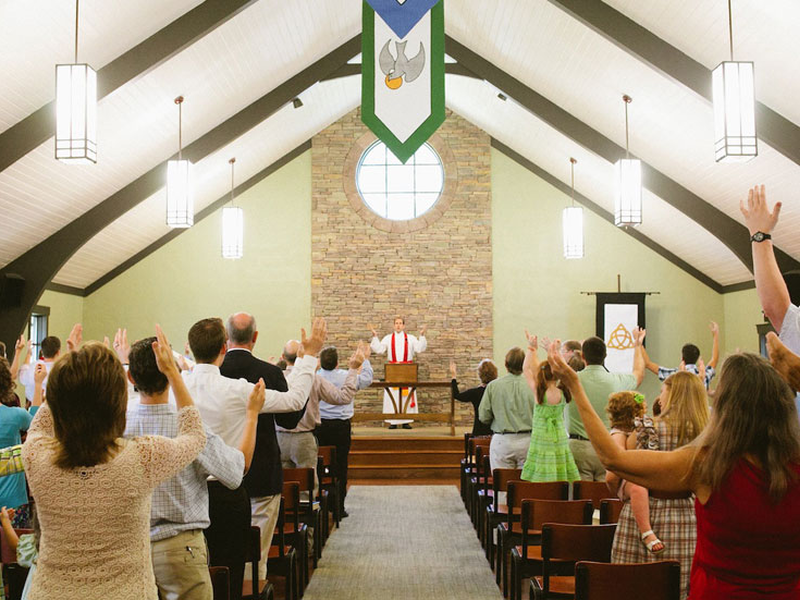
The Babylonian Unity of the Church

There are many legitimate reasons to lament the divided state of the church. Fleshly pride, theological hubris, sectarian rivalries are each in their own ways modern versions of the Galatian heresy, refusing table fellowship with brothers and sisters for whom Christ died. And denominations have frequently played the same role…

by Toby SumpterJune 23, 2015
img_0166
Theopolis News

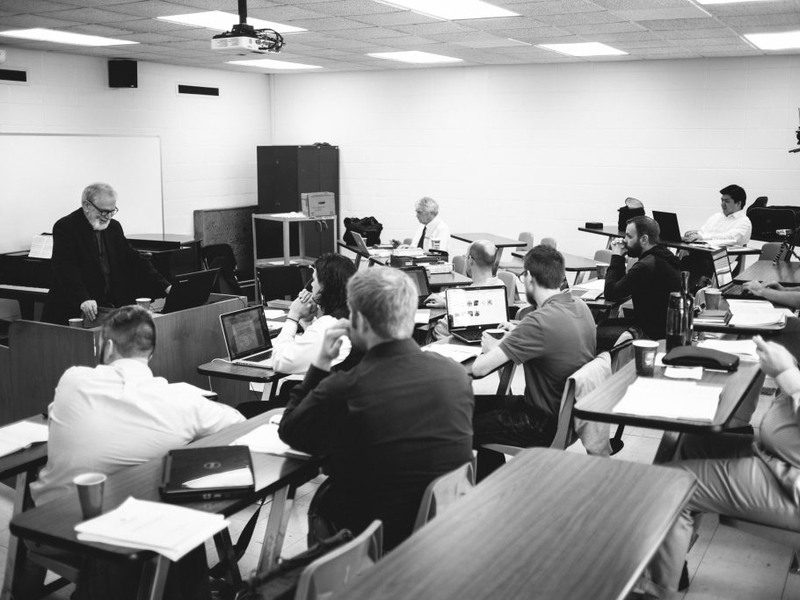
Bogumil Jarmulak

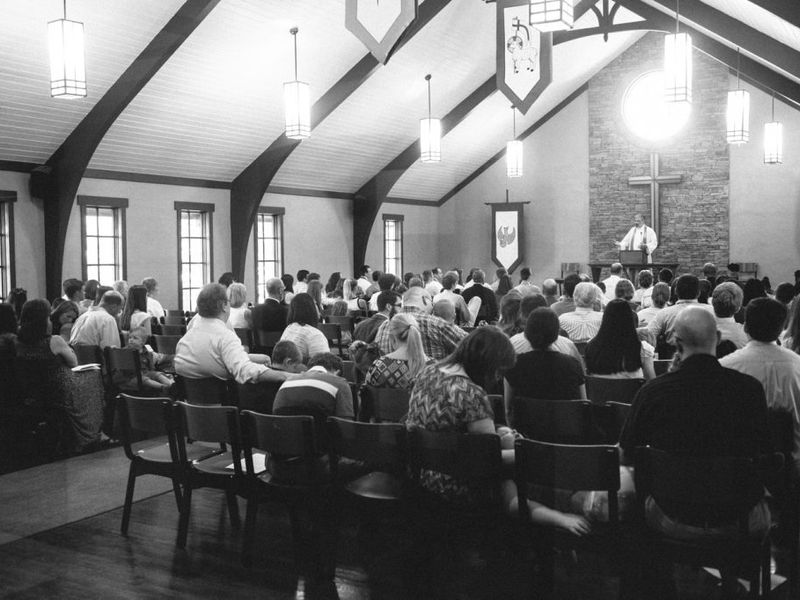
Though Bogumil Jarmulak was not able to deliver his lectures on Jurgen Moltmann due to flight delays, he preached at Trinity Presbyterian Church on Sunday morning, June 14. He encouraged the church in how to deal with misery in this life, and pointed them to their only hope in life…

by Brian MoatsJune 18, 2015
img_6328
History

Christians, Liturgy, and the Past, 2

Connecting with the past within the present is a complicated endeavor. One of the most immediate challenges facing us is that of ensuring that, as Christians, our use of the past is undertaken in service of present faithfulness. The past is not a realm to which we retreat, but a…

by Alastair RobertsJune 18, 2015
img_6538-2
Theopolis News

Letter From Peter Leithart

Dear friend of Theopolis, Before he attended the Theopolis course on Holistic Mission during Easter term, 2014, Jonathan Sedlak lived with his family in the quiet, comfortable Milwau­kee suburb of Slinger, Wisconsin. An intensive week in Birmingham changed all that. Listening to missionary Wes Baker and hashing over readings and…

by TheopolisJune 16, 2015
bauhaus
Architecture

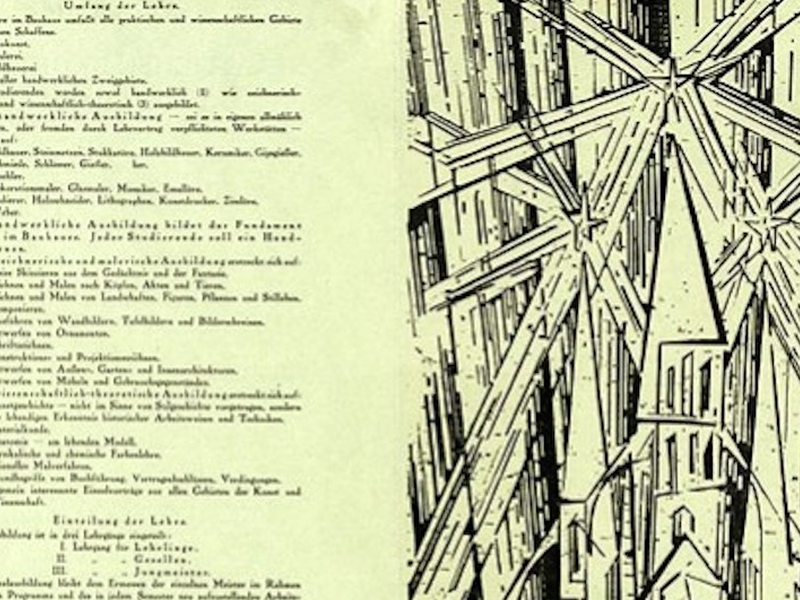
The Crystalline Vision: Bauhaus and the Bible

“What is in the nature of these materials?” The Bauhaus, founded in Germany in 1919 by architect Walter Gropius, had a profound influence in every area of design, from graphics and typography to clothing, furniture and architecture. The institution was not so much a style as a method, its philosophy…

by Mike BullJune 11, 2015
samuel-branch-zpvisr0s_hq-unsplash
Books

The American Way of Being Church

​Russell Richey's ​Denominationalism collects some of the most important essays on its titled topic. The authors are a who's-who of 20th century American religious history: Winthrop Hudson, Timothy L. Smith, Sidney Mead, Richey himself, H. Richard Niebuhr and Martin Marty. Some are broad synthetic studies; others are more granular studies…

by Peter LeithartJune 10, 2015

Showing page 151 of 309

See all

Showing page 28 of 43

See all
History

Tensions of Modernity

Whitney (the book is Francis Bacon and Modernity , Yale, 1986) offers some additional meditations on the meaning of “modern” particularly as it relates to Bacon. He defines modernity in terms of the tension between innovation and tradition, the frustration that arises from the revolutionary’s effort to start afresh and…

August 29, 2006
History

Revolutionary Reform

Whitney on Bacon again: “Reform invites analogy and multiple levels of meaning as it variously connects old and new; it exposes the poverty of brute facts by, for one thing, fixing knowledge in a hierarchy of literary kinds or genres. Reformative visions in history grow in part out of biblical…

August 29, 2006
History

Bacon the Prophet

In his defense of the legitimacy of the modern age, Hans Blumenberg attempts to pry apart the legitimate kernel ideas of modernity from the illegitimate, mostly medieval and superstitious, husks by which the kernel ideas were often expressed. Whether this works for any early modern thinker, it does not work,…

August 29, 2006
History

Honor in Therapeutic culture

Bowman examines a scene from The Sopranos where John “Johnny Sack” Sacramoni seeks permission, from Tony Soprano among others to “clip” Ralph Cifaretto for jokingly insulting his wife’s weight, which has done damage to her “body image, self esteem.” None of his superiors will bite, and Bowman notes that the…

August 28, 2006
History

Honor and the Right

There’s a scene in Malory where Launcelot has been caught in Guenevere’s bedroom by his enemies, Aggravayne and Mordred, and in the ensuing altercation Launcelot kills 14 knights, all but Mordred, who is wounded. Summoned to appear before Arthur, Launcelot still protests his innocence: “Those who told you such tales…

August 28, 2006
Philosophy

Virtue and Violence

Mandeville made explicit the connection between violence and ancient virtue that Milbank and others have commented on: “The Word Moral, without Doubt, comes from Mos, and signifies every Thing that relates to Manners: The Word Ethick is synonimous with Moral, and is derived from [Greek: ithik], which is exactly the…

August 28, 2006

Showing page 1802 of 2212

Browse by Category

In Medias Res

Your weekly digest for all things Theopolis.

Donate

Theopolis is nearly 100% donor-supported. Consider joining us on our mission.