Theopolis Logo

Writing

Explore our collection of theological essays, biblical studies, and reflections on faith and culture.

See all
e99a9334
Advent

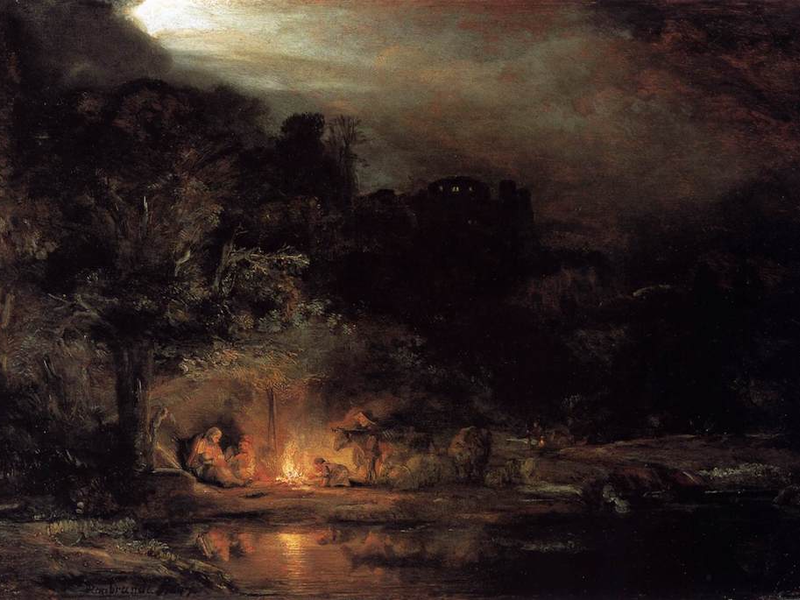
Stretching Christmas

For many people Christmas comes on December 25 and is over December 26. The tree is taken down along with the lights and the other decorations, and everyone begins setting the house in order for the new year. No more Christmas hymns. No more celebrations (well, until New Year’s Eve).…

by Steve WilkinsDecember 24, 2016
ascension
Advent

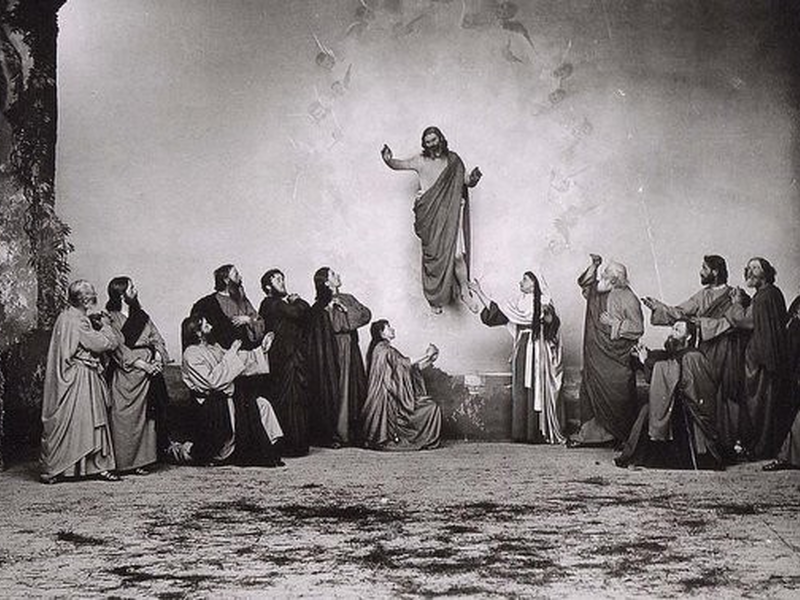
Ascension and Incarnation

The Ascension and the Incarnation should not be disconnected in our Christmas thinking or celebrations. As N.T. Wright notes, the ascension is "a central and vital feature without which all sorts of other things start to go demonstrably wrong. . . . where the ascension has been ignored or misunderstood,…

by Roy AtwoodDecember 23, 2016
nativity-rembrandt
Advent

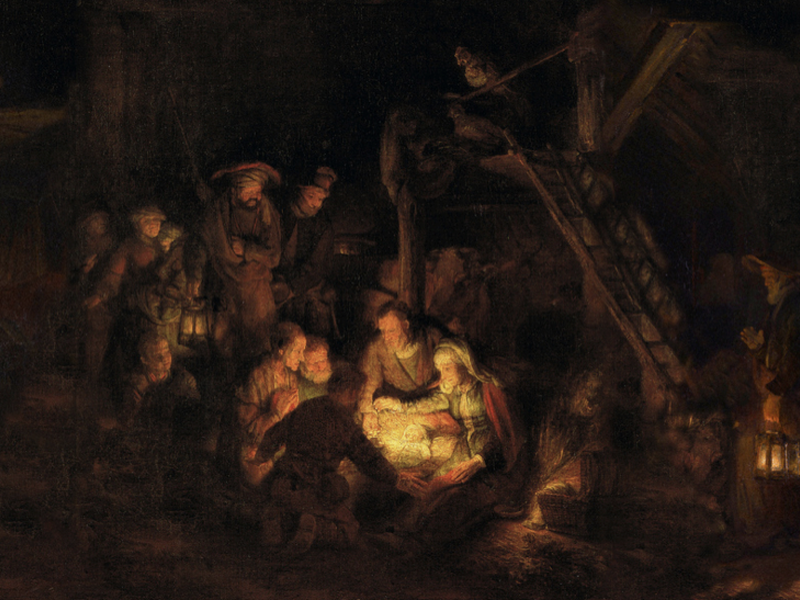
Christmas Light

“In the Word was life, and the life was the light of men. And the light shines in the darkness.” Thus John describes the incarnation of the Son. He comes as the living and life-giving light of the world. That’s good news. In the beginning, God spoke and light shone…

by Peter LeithartDecember 23, 2016
nativity-chagall
Advent

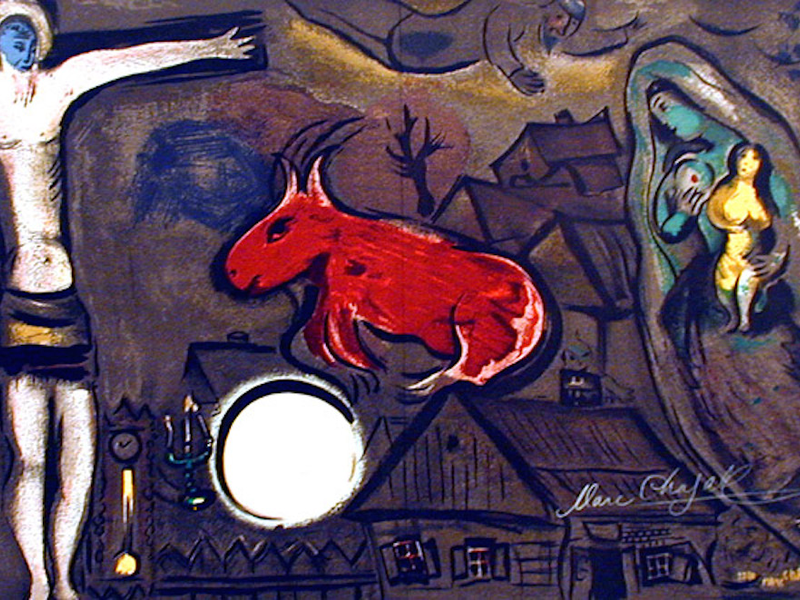
The Spirit of Christmas

Christmas is all about Jesus. The angels announce Jesus’ birth, shepherds and wise men come to see Jesus, Herod wants to kill Jesus. We occasionally think of the Father who sent the Son, but we keep returning to the Son made flesh in Bethlehem’s manger. Meanwhile, as always, the Spirit…

by Peter LeithartDecember 22, 2016
nativity
Advent

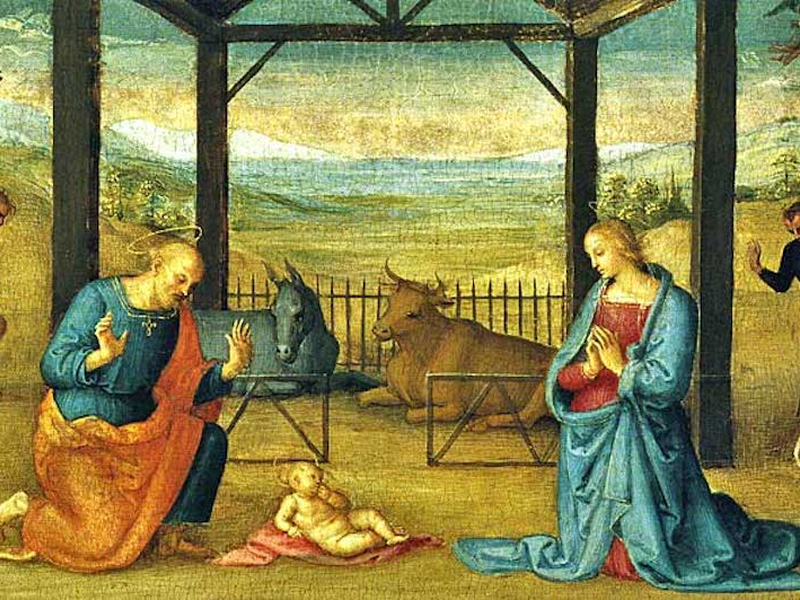
The Humility of God

Christmas is about many things, but one of the chief things revealed in the gospel of Christmas is the humility of God. We don't often think of humility as an attribute of God. If God is glorious and exalted, we think, He must be haughty and proud and self-centered. We…

by Peter LeithartDecember 21, 2016
screenshot-2025-12-15-at-8-35-45-am
Advent

Advent of Unity

John famously begins his Gospel with a piece of theology: “In the beginning was the Word, and the Word was with God, and the Word was God.” Matthew starts with a genealogy. John celebrates Advent with a hymn, Matthew with a list. For John, Jesus is the Word of creation…

by Peter LeithartDecember 20, 2016

Showing page 120 of 309

See all

Showing page 28 of 43

See all
Philosophy

More Reflections on Postmodernism

Back to reflections on post-modernism: It seems that Freud, not Nietzsche, is the really grandfather of the movement, though, not unexpectedly, some sons and grandsons efface his memory and resist his influence (not all, of course).

October 28, 2003
History

Courtly Love

On courtly love: The basic shift is from the ancient and early medieval view that eros sapped and vitiated virtus to a belief that eros was a condition of the possibility of virtus and valor. This is, as Lewis said, a seismic shift in sensibility, one that we still do…

October 28, 2003

Structure of Romans 1:16ff.

Jouette Bassler’s 1984 article “Divine Impartiality in Romans” ( Novum Testamentum ) present structural arguments for saying that the section beginning in Rom 1:16-18 runs through the middle of chapter 2. This is evident from the repetition of the verb prasso in 1:32 and again in 2:1-3; thus the center…

October 28, 2003
Philosophy

Postmodernism and the ’60s

It’s not at all accidental that postmodernism takes its rise in the mid-1960s. Bloom wrote the first draft of the anxiety of influence in 1967, and revised it over several years before its initial publication in 1973. Derrida’s annus miraibilis was 1967, which saw the publication of Speech and Phenomena…

October 28, 2003
Philosophy

Postmodernism and the ’60s

It’s not at all accidental that postmodernism takes its rise in the mid-1960s. Bloom wrote the first draft of the anxiety of influence in 1967, and revised it over several years before its initial publication in 1973. Derrida’s annus miraibilis was 1967, which saw the publication of Speech and Phenomena…

October 28, 2003
Philosophy

Murder of Father

Turns out that Harold Bloom’s “anxiety of influence” is just another variation on the same set of themes that Derrida is obsessed with — the son’s murder of the father. For Bloom, the son is the “strong poet” who resists the influence of his predecessor/father in order to carve out…

October 28, 2003

Showing page 2176 of 2212

Browse by Category

In Medias Res

Your weekly digest for all things Theopolis.

Donate

Theopolis is nearly 100% donor-supported. Consider joining us on our mission.