Theopolis Logo

Writing

Explore our collection of theological essays, biblical studies, and reflections on faith and culture.

See all
elijah-1200x630-min
Biblical Horizons

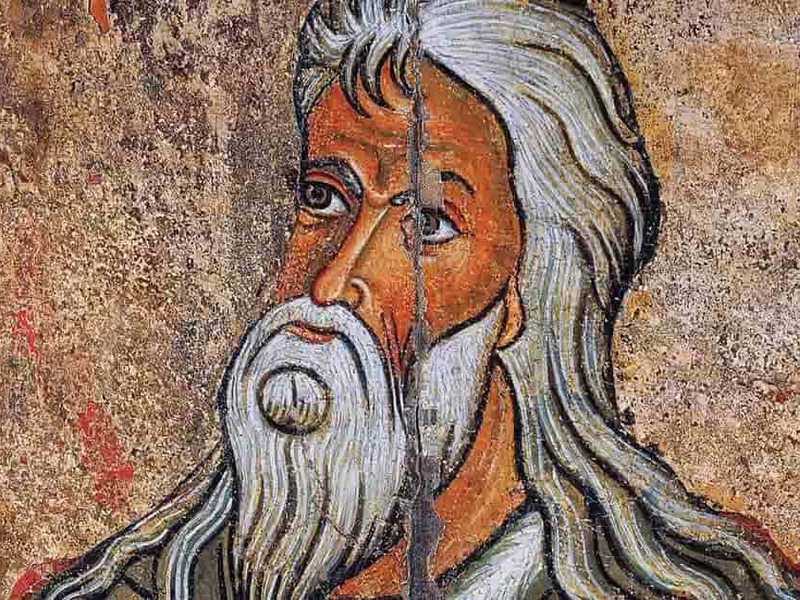
Elijah’s Exodus

1 Kings 17, which abruptly introduces Elijah into the history of the northern kingdom, is a carefully constructed literary unit. In its basic structure, it follows a clear exodus-return pattern. Like Jacob and his sons, Elijah was driven out of the land by a famine (vv. 1-4). In exile, Elijah…

by Peter LeithartJune 17, 1992

ales-krivec-4mibe6zg5r0-unsplash
Biblical Studies

All Things New

Now the Pharisees, who were lovers of money, were listening to all these things and they were scoffing at Him. And He said to them, "You are those who justify yourselves in the sight of men, but God knows your hearts; for that which is highly esteemed among men is…

by Mark HorneJune 6, 1992
aaron-burden-h8s0pf2rcqs-unsplash
Biblical Chronology

Chronologies and Kings, Part 11: The Knots of 2 Kings 11-14

In the year 3119, Ahaziah of Judah and Jehoram of Israel were both slain by Jehu as he carried out his God-appointed task of eliminating the seed and house of Ahab (2 Kings 9:13-33). Since the kings of Israel are usually counted as beginning their reign in the same year…

by James B. JordanMay 24, 1992
trnava-university-beeyeib-am8-unsplash
Biblical Studies

Gleanings from Robert Alter’s "Art of Biblical Narrative"

One of the most important developments in Biblical studies in recent years has been a movement of scholars devoted to studying the literary techniques of the Biblical writers. Tremper Longman, III of Westminster Theological Seminary has treated this movement from a Reformed perspective in his Literary Approaches to Biblical Interpretation…

by Peter LeithartMay 17, 1992
ian-schneider-iqbc4vu4ypq-unsplash
Biblical Horizons

Tentmaking

And because [Paul] was of the same trade, he stayed with [Aquila and Priscilla] and they were working; for by trade they were tentmakers (Acts 18:3). The fact that Paul was by trade a tentmaker has usually been taken as the springboard for a discussion of whether pastors should have…

by James B. JordanApril 24, 1992
screen-shot-2022-05-12-at-12-07-23-pm
Biblical Studies

Chronologies and Kings, Part 10: Jehoram of Judah

I pointed out in Chronologies and Kings Part 9 that the years of Judah’s kings are given in chronological fashion. "When we read of a Judahite king’s reign as lasting 4 years, it means that 4 years of the chronology have been given to him, and there is no chronological…

by James B. JordanApril 24, 1992

Showing page 290 of 309

See all

Showing page 28 of 43

See all

Organization or Mission?

Denominations, argues Craig Van Gelder, rest on an “organizational” conception of the church that thinks of the church in “primarily functional terms” according to which “the church is responsible to do something on behalf of God in the world” (24). Citing Martin Marty, he claims that this is “a turning…

June 11, 2015

Structure in Revelation 15

Revelation 15:1 forms an inclusio with Revelation 12:1, 3: Both speak of a “great sign in heaven.” There is progression from chapter 12 to 15: At the beginning of the sequence, the dragon and woman are in heaven. In the course of chapter 12, both leave. When 15:1 returns to…

June 11, 2015

Tale of Two Sacrifices

The 144,000 martyrs of Revelation 14 are prepared for self-sacrifice. They are the firstfruits harvested in death. They offer their blood on the altar of the world, and ascend like smoke beyond the firmament. Their enemies, those who worship the beast, are also sacrifices. Worshiping the beast ultimately leads to…

June 10, 2015
Denominationalism

Denominations in Time

In a 2005 piece in Word & World , Russell Richey argues that denominationalism in the US has passed through several stages of development. Though denominationalism always exists in situations of religious pluralism and is always (like the political party, the free press and free enterprise) a “creature of modernity,”…

June 10, 2015

Transcending Agricultural Time

We live in unnatural times because of our unnatural time. We can eat foods produced on the other side of the globe. We can eat fruit out of season, partly because the fruit is in season somewhere and partly because of modern technologies of preservation. We seem to have detached…

June 10, 2015

Vine of the Land

Revelation 14 ends with a harvest scene. First grain is harvested by the son of man, then grapes are gathered by an angel with a sickle (vv. 17-19a). Three parts of the grape plant are mentioned: The clusters ( botruos ) of the vine ( ampelos ) and the individual…

June 10, 2015

Showing page 414 of 2212

Browse by Category

In Medias Res

Your weekly digest for all things Theopolis.

Donate

Theopolis is nearly 100% donor-supported. Consider joining us on our mission.