
Theopolis Logo

Writing

Explore our collection of theological essays, biblical studies, and reflections on faith and culture.

See all
trnava-university-beeyeib-am8-unsplash
Biblical Chronology

Meredith G. Kline Strikes Back, Part 2

In our first essay we looked at Kline’s flawed exegesis of Genesis 2:5 as it relates to Day 3 of creation. Now we turn to Kline’s new argument against a chronological reading of Genesis 1, as found, again, in "Space and Time in the Genesis Cosmogony," Perspectives on Science and…

by James B. JordanMarch 29, 1997
30211-bathsheba-800w-tn
Hermeneutics

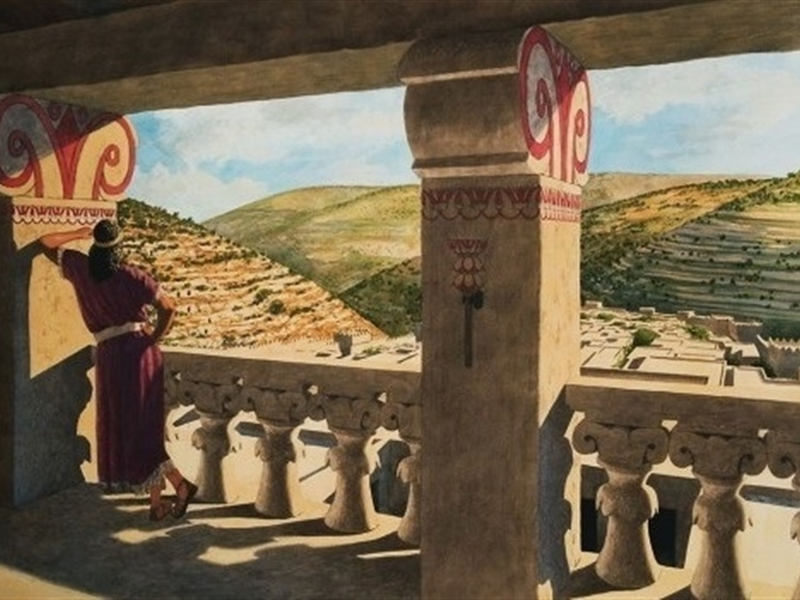
Bathsheba: The Real Story

One of the advantages of paying very close attention to the details in the Bible, especially chronological and genealogical details, is that they can shed light on situations that don’t seem to make much sense apart from them. One such situation is that of Bathsheba. It appears that Bathsheba willingly…

by James B. JordanMarch 28, 1997
jonathan-cooper-ygxq7hfdjzq-unsplash
Church Calendar

Is the Church Year Biblical? | A Parking Lot Parable

Once upon a time, Jeff Meyers and Tony Rollins–old friends who had not seen each other for a few years–met in the parking lot of a neighborhood church. They were dropping off their pre-school children at the church for Mother’s Day Out. They were such conscientious and helpful fathers. As…

by Jeff MeyersMarch 20, 1997
annie-spratt-upxf6to3fea-unsplash
Daniel

The Allegory of Susanna

Years ago, when I was at the briefly-existing Geneva Divinity School, I taught a course in the Apocrypha. One thing that struck me at that time is that two of the stories are almost certainly religious allegories (as well as moral tales): Judith and Susanna. Since "Susanna" means "Lily," this…

by James B. JordanFebruary 28, 1997
serafima-lazarenko-_ivuwprfczi-unsplash
Biblical Horizons

A Blossom of Yahweh’s Field

Peter’s essay inspires me to write up some similar thoughts about the flower of the field. Rightly does Peter associate the almond with Yahweh’s garden, because the Garden of Eden is symbolically positioned as parallel to the Holy Place of the Tabernacle and Temple. To wit: Since Aaron’s rod blossomed…

by James B. JordanFebruary 28, 1997
trnava-university-beeyeib-am8-unsplash
Biblical Chronology

Meredith G. Kline Strikes Back, Part 1

We have had occasion to discuss the views of Meredith G. Kline previously in these newsletters, and now it is time to do so again. Kline teaches at Gordon-Conwell Theological Seminary and also at the Westminster Theological Seminaries (Philadelphia and San Diego). He is the author of some interesting insights…

by James B. JordanFebruary 28, 1997

Showing page 259 of 309

See all

Showing page 28 of 43

See all

Battle of the Soul

Prudentius’s Psychomachia (5 th century AD) is one of the first and one of the most influential of medieval allegories. It is the source of the battle of Virtue and Vice that was one of the key themes of medieval allegory, which carries right into the Elizabethan allegory of Spenser's…

April 27, 2015
johann_gottfried_von_herder_by_john_sartain
Nationalism

Nations: Grown or Imagined?

R omantic thinkers like Johann Gottfried Herder, developed an organic conception of nationhood. For Herder, a nation is an extended family, and so a perfect nation, the most natural state, is “one nation, an extended family with one national character." (I rely on this essay by Richard White.) People have…

April 27, 2015

Imagining Finland

Nations are “imagined communities,” and one of the ways nations imagine themselves is to imagine themselves as very, very old. The Finnish epic, the Kalevala , serves as an illustration of the nexus between ancient literature and national identity. Anderson writes ( Imagined Communities , 74-5), “In the eighteenth century…

April 27, 2015

The Un-Dante

In a contribution to Petrarch: A Critical Guide to the Complete Works Teodolinda Barolini contrasts the love poetry of Petrarch's Rerum vulgarium fragmenta (also known as the Canzoniere ) with that of Dante. Petrarch continues the courtly paradigm. His interest is in the shifting psychology and drama of the male…

April 27, 2015

Deflating Humanism

In his E nglish Literature in the Sixteenth Century , CS Lewis makes two deflationary comments about the effects of Renaissance humanism. First, “The ‘barbarous’ books [of medieval Latin] have survived in the only sense that really matters: they are used as their authors meant them to be used. It…

April 24, 2015

Mystic Ark

Conrad Rudolph's The Mystic Ark is the product of impressive scholarship. Its focus is on the image of the mystic ark, a complex cosmic portrait showing “the Majesty” (looking like Jesus) enthroned, flanked by angels, holding a large disk, inscribed with a square turned sideways like a diamond. Inside the…

April 24, 2015

Showing page 435 of 2212

Browse by Category

In Medias Res

Your weekly digest for all things Theopolis.

Donate

Theopolis is nearly 100% donor-supported. Consider joining us on our mission.