Theopolis Logo

Writing

Explore our collection of theological essays, biblical studies, and reflections on faith and culture.

See all
evangelists
Matthew

Dating Matthew, (Part 1)

When might the Gospel according to Matthew have been written? Of course, any answer can only be speculation, but that does not mean we are reduced to groundless opinion. In this series of articles I point the way to an approach different from the general consensus among scholars today which…

by Ralph Allan SmithNovember 22, 2016
hebrew-manuscript-3
Hermeneutics

Synopticity, (Part 2)

In my first essay on “synopticity” I offered a rather rough definition of the phenomenon and important, though not exhaustive examples. In this essay, I want to introduce broader aspects of the phenomenon of “synopticity.” The first example that I have in mind is conventional stories, stories of different historical…

by Ralph Allan SmithNovember 17, 2016
screen-shot-2016-03-31-at-9-32-11-am
Ascension

Brexit and the Binding of Satan, Part 4

Since the judgment of Babel was followed by the initiation of the circumcision, the impending end of the circumcision in AD70 explains the significance of the first century miracle of foreign tongues. Except for a few Aramaic “teasers” in the book of Daniel, the Word of God was monolingual and…

by Mike BullNovember 15, 2016
four-evangelists
Hermeneutics

Synopticity, (Part 1)

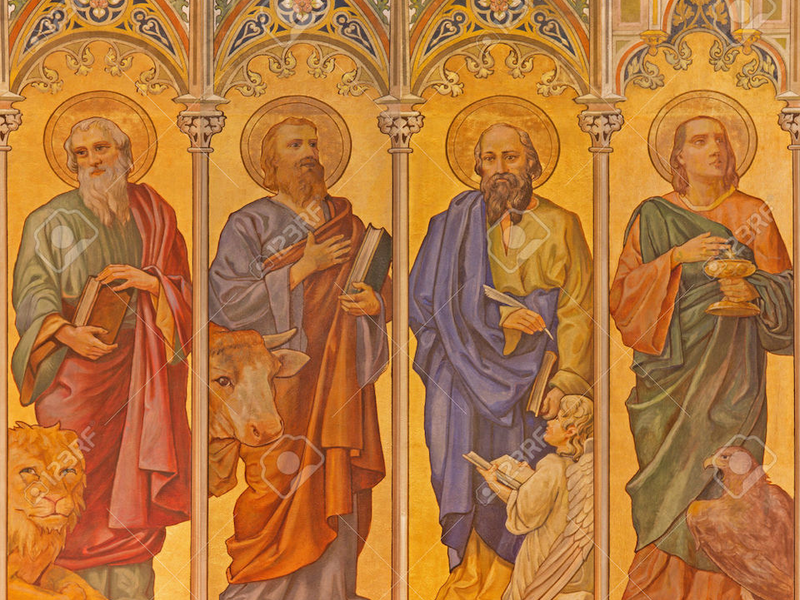
To the best of my knowledge “synopticity” is not a word used in theology or Biblical studies, but it seems an appropriate word to describe the kind of phenomena associated with the Synoptic Gospels, Matthew, Mark, and Luke. These three Gospels tell essentially the same story with significant — sometimes…

by Ralph Allan SmithNovember 10, 2016
laughing_statue_by_xxbobbiie-d5f0meh-2
Humor

Learning to Laugh

Humor is a funny thing. It is altogether familiar yet also mysterious. What makes us laugh? Why do we find things funny? There are academic fields of study dedicated to discovering what makes things humorous. These academicians even have a journal entitled International Journal of Humor Research . No joke.…

by Bill SmithNovember 8, 2016
chaucer
Literature

Flawed Means of Grace: Liturgy in The Pardoner's Tale

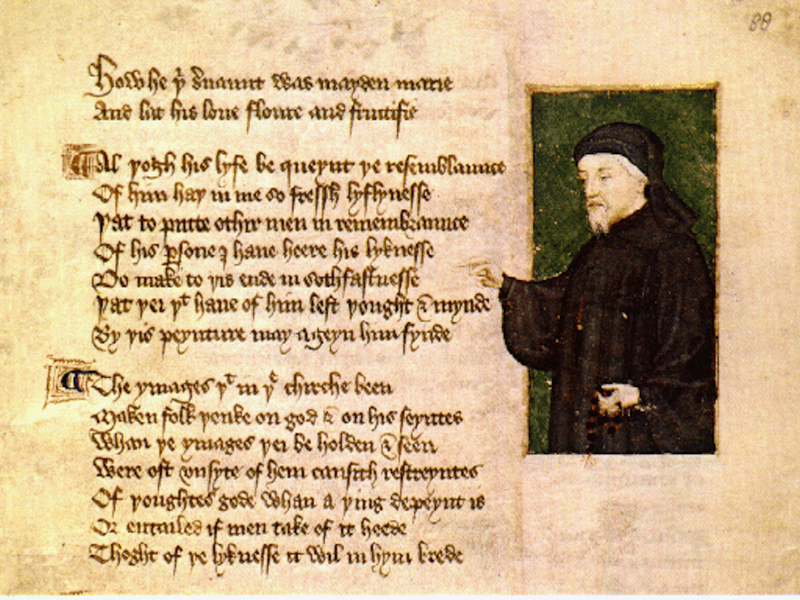
Out of all the characters in Geoffrey Chaucer’s The Canterbury Tales , the Pardoner has been called the “one lost soul.” The pious Parson, who closes out the collection of tales with a sermon on the seven deadly sins and how a sinner can absolve himself of them, connects the…

by Christian LeithartNovember 3, 2016

Showing page 122 of 309

See all

Showing page 28 of 43

See all

Dialectic of Physics

Jason Josephson-Storm ( Myth of Disenchantment ) offers this potted history of modern physics: "Even as Descartes liberated an autonomous realm for the thinking subject, his mechanism denied action at a distance and rejected the concept of the void. But this form of corpuscular mechanism was disrupted by Newton's emphasis…

May 4, 2018

People Without History

"The habit of treating named entities such as Iroquois, Greece, Persia, or the United States as fixed entities opposed to one another by stable internal architecture and external boundaries interferes with our ability to understand their mutual encounter and confrontation," writes Eric Wolf in Europe and the People Without History…

May 4, 2018
Masculinity

Pretense of Masculinity

"Human life is radical, constituent insecurity," writes Julian Marias ( Metaphysical Anthropology ). "It consists in having to do something, in a frequently hostile, always problematical, and largely latent circumstance, and in not knowing what to hold to. This is man's condition: his insecurity, his neediness, his ignorance, his indecision,…

May 4, 2018

What Is Disenchantment?

Jason Josephson-Storm tells us what Weber's disenchantment is not : It doesn't mean that magic is eliminated. Protestants "were against magic and superstitious rituals" but they never doubted the reality of magic or the crowdedness of the universe ( Myth of Disenchantment , 280). Disenchantment also "is not a new…

May 4, 2018

Greek Temple Architecture

Mary Emerson's Greek Sanctuaries and Temple Architecture is a concise, informative introduction to her topic. After introductory chapters explaining the meaning, uses, architecture and artistic adornments of sanctuaries in the Greek world, Emerson devotes a chapter to the major cultic sites of Greece - Delphi, Athens, the sanctuary of Apollo…

May 4, 2018

Abstraction and Image

In his recently published Lewis on the Christian Life , Joe Rigney devotes a few pages to expounding Lewis's understanding of the relation between abstract theological statements and the images of Scripture. He endorses the abstractions as a caution against false inferences that might be drawn from the images, but…

May 3, 2018

Showing page 72 of 2212

Browse by Category

In Medias Res

Your weekly digest for all things Theopolis.

Donate

Theopolis is nearly 100% donor-supported. Consider joining us on our mission.