Theopolis Logo

Writing

Explore our collection of theological essays, biblical studies, and reflections on faith and culture.

See all
tanner-mardis-xuxghzhibn4-unsplash-1-2
Biblical Studies

Tweets-turned-Notes on the Bible’s Chronology

Summary In what follows, I will consider the “year-stamps” employed in Scripture, i.e., statements of the form, “Such-and-such an event took place in the Xth year of Y.” In the process, I will suggest some ways in which the Biblical narrative might relate to events in the extra-Biblical world, though…

by James BejonJuly 16, 2019
durer-prodigal-son-2
Luke

Perspectives on the Prodigal, (Part 2)

In the first essay on the parable of the Prodigal Son, I suggested that the problems commentators and others encounter in interpreting Jesus three-part parable are not accidental. These are not just problems in our ignorance of cultural background. They are intentional features of the stories —stories designed to poke…

by Ralph Allan SmithJuly 11, 2019
durer-prodigal-son-2
Luke

Perspectives on the Prodigal, (Part 1)

The story of the Prodigal Son is perhaps the most well-known story in the Bible. As others have observed, it may also be one of the most misunderstood. In two short essays, I will point out features of this story that are commonly neglected, aspects of Jesus’ parable that might…

by Ralph Allan SmithJuly 9, 2019
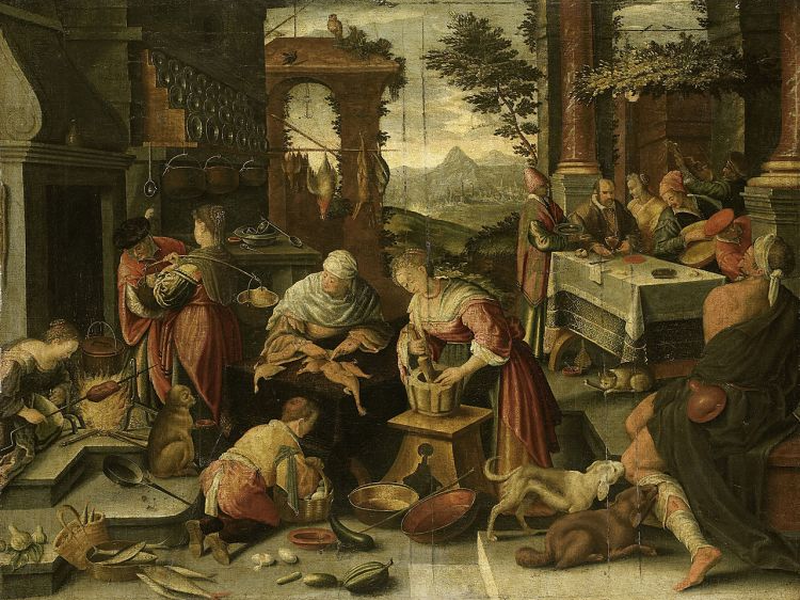
de-rijke-man-en-de-arme-lazarus-by-jacopo-da-ponte-16th-century
Luke

Lazarus and the Rich Man

The parable of Lazarus and the nameless rich man is not an independent story. It is part of a long context that begins in Luke 15:1, where Jesus is eating with tax collectors and sinners and the scribes and Pharisees grumble. In response to their hardheartedness, Jesus tells a three-part…

by Ralph Allan SmithJuly 4, 2019
aaron-burden-uynrnfdkjwg-unsplash
Luke

Everybody has Dropsy - Luke 14:1-24

The Bible is written so that even when a reader cannot pick up on what might be deeper or more detailed aspects of a text, there is virtually always a message to be heard. In the ancient world, where the “reader” of Scripture would likely be a church official facing…

by Ralph Allan SmithJuly 2, 2019
communion
Biblical Theology

Fruit Trees and Grain Plants

The distinction between garden (or vineyard) and field begins in Genesis 2. This relates to the ordering of the formless world. Plants of the field are contrasted with the garden planted by God in Genesis 2:5&8. Later on, under the Old Covenant the Israelites will be required to keep their…

by James B. JordanJune 27, 2019

Showing page 77 of 309

See all

Showing page 29 of 43

See all
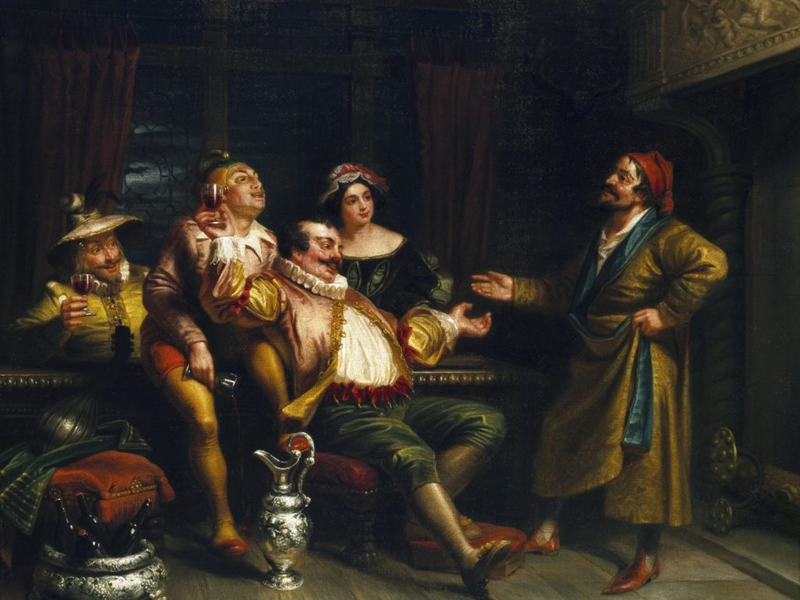
malvolio_confronting_the_revelers_hall_1855
ShakespeareStory

Call Me Malvolio

Call me Malvolio. I was lately the steward of the house of the great and famed Countess Olivia of Illyria. You may have heard of her. I had charge of my Lady’s household retinue, the maids and men who clean, cook, and care for the house. I do my work…

April 10, 2020
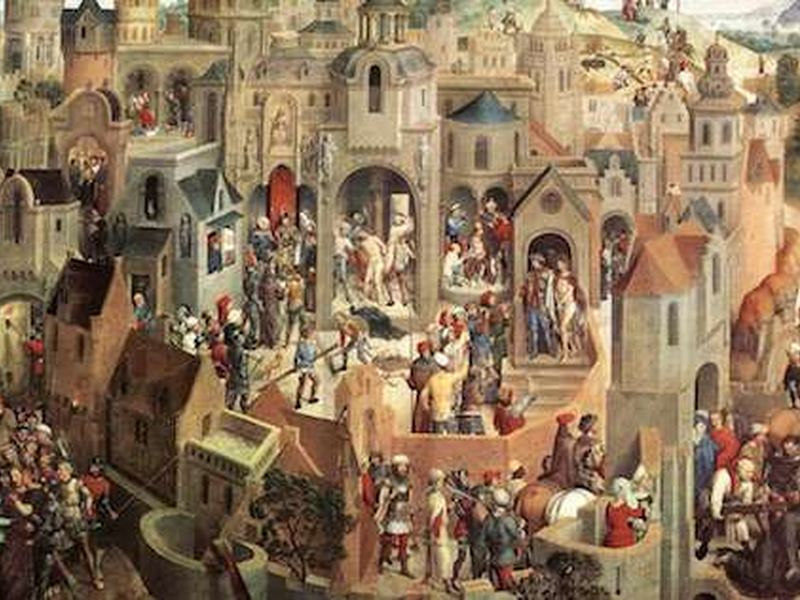
jesus-passion-memling-2
Exodus

The Veil and the Screen

Exodus 26 describes the formation of the tabernacle - the layered curtains, the boards and bases, the bars that secure the boards. The chapter ends with a description of the paroket , the veil that separates the Holy Place from the Most Holy (Exodus 26:31-37; v. 33). The screen is…

April 8, 2020
worship-early-christian
Coronavirus

A Time For Presence

We're forcibly separated from each other. Residents of many cities around the world are sheltered in place, permitted to leave home only for basic necessities. It's tempting to hunker down in our personal bunkers, avoid contact with others, and wait out the storm. The opposite is true. More than usual,…

April 6, 2020
hebrew-manuscript-2
Exodus

Bars

The tabernacle has walls of gold-plated wood (Exodus 26:15-25). Those walls are held together by gold-plated bars (26:26-30). There are five bars on each of the long sides of the tabernacle (vv. 26-27), and five bars across the back wall (Exodus 26:27). The bars are held in place by gold…

April 3, 2020
cafe-van-gogh
Coronavirus

Trust or Terror

In my First Things column last week, I examined the “apocalyptic” character of the coronavirus epidemic. “Apocalypse” doesn’t mean “end of the world,” but “uncovering” or “unveiling.” In the column, I focused on how the epidemic can unveil our sins, our decadence, our distorted values and desires. Plagues unveil what…

April 1, 2020
caspar_david_friedrich_-_graveyard_under_snow_-_museum_der_bildenden_ku%cc%88nste
DeathLiterature

Memento Mori

Virtually all the characters in Muriel Spark’s 1959 novel, Memento Mori , are over 70. They suffer the physical humiliations of aging and the pains of regret. Unexpectedly, hilariously, they’re as competitive and petty as schoolchildren. Well into his 80s, Godfrey Colston scorns the crippled critic Guy Leets for the…

March 30, 2020

Showing page 32 of 2212

Browse by Category

In Medias Res

Your weekly digest for all things Theopolis.

Donate

Theopolis is nearly 100% donor-supported. Consider joining us on our mission.