
Theopolis Logo

Writing

Explore our collection of theological essays, biblical studies, and reflections on faith and culture.

See all
trnava-university-beeyeib-am8-unsplash
Biblical Chronology

Meredith G. Kline Strikes Back, Part 2

In our first essay we looked at Kline’s flawed exegesis of Genesis 2:5 as it relates to Day 3 of creation. Now we turn to Kline’s new argument against a chronological reading of Genesis 1, as found, again, in "Space and Time in the Genesis Cosmogony," Perspectives on Science and…

by James B. JordanMarch 29, 1997
30211-bathsheba-800w-tn
Hermeneutics

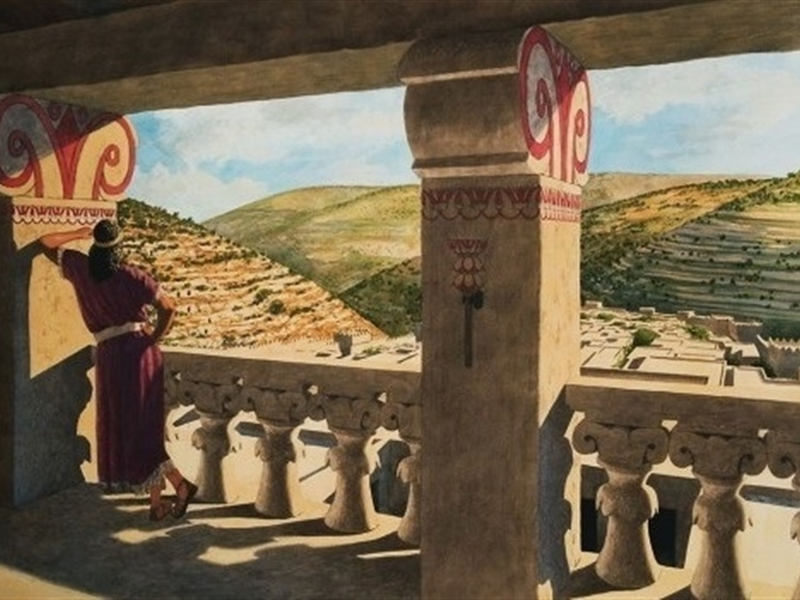
Bathsheba: The Real Story

One of the advantages of paying very close attention to the details in the Bible, especially chronological and genealogical details, is that they can shed light on situations that don’t seem to make much sense apart from them. One such situation is that of Bathsheba. It appears that Bathsheba willingly…

by James B. JordanMarch 28, 1997
jonathan-cooper-ygxq7hfdjzq-unsplash
Church Calendar

Is the Church Year Biblical? | A Parking Lot Parable

Once upon a time, Jeff Meyers and Tony Rollins–old friends who had not seen each other for a few years–met in the parking lot of a neighborhood church. They were dropping off their pre-school children at the church for Mother’s Day Out. They were such conscientious and helpful fathers. As…

by Jeff MeyersMarch 20, 1997
annie-spratt-upxf6to3fea-unsplash
Daniel

The Allegory of Susanna

Years ago, when I was at the briefly-existing Geneva Divinity School, I taught a course in the Apocrypha. One thing that struck me at that time is that two of the stories are almost certainly religious allegories (as well as moral tales): Judith and Susanna. Since "Susanna" means "Lily," this…

by James B. JordanFebruary 28, 1997
serafima-lazarenko-_ivuwprfczi-unsplash
Biblical Horizons

A Blossom of Yahweh’s Field

Peter’s essay inspires me to write up some similar thoughts about the flower of the field. Rightly does Peter associate the almond with Yahweh’s garden, because the Garden of Eden is symbolically positioned as parallel to the Holy Place of the Tabernacle and Temple. To wit: Since Aaron’s rod blossomed…

by James B. JordanFebruary 28, 1997
trnava-university-beeyeib-am8-unsplash
Biblical Chronology

Meredith G. Kline Strikes Back, Part 1

We have had occasion to discuss the views of Meredith G. Kline previously in these newsletters, and now it is time to do so again. Kline teaches at Gordon-Conwell Theological Seminary and also at the Westminster Theological Seminaries (Philadelphia and San Diego). He is the author of some interesting insights…

by James B. JordanFebruary 28, 1997

Showing page 259 of 309

See all

Showing page 29 of 43

See all

Fated Adventure

According to Michael Nerlich ( Ideology of Adventure ), “all figures of the Greek and Latin novels of adventure are ‘involuntary’ adventurers.” Mikhail Bakhtin too ( Dialogic Imagination ) emphasizes that in earlier adventures “an individual can be nothing other than completely passive, completely unchanging” and function as “merely the…

May 1, 2015

Siegfried in Victory and Defeat

Winder McConnell ( Nibelungenleid , 98-99) sketches the changing uses of the epic in the mid-20 th century: “During the Weimar Republic, the themes and motifs of the Nibelungenlied had been employed by authors of antirepublican persuasion to express optimism for Germany’s future, but poets and dramatists sympathetic to the…

May 1, 2015

Wagner, Tristan, Love

In an essay in A Companion to Gottfried of Strassburg's Tristan , Ulrich Muller argues that “In Tristan und Isolde Wagner radically transformed the meaning and message of Gottfried’s romance, just as he had in Parsifal. As cast by Gottfried (and in all medieval versions), the lovers and their love…

May 1, 2015

Art of Divine Love

Andreas Capellanus literally wrote the book on the Art of Courtly Love , but the concluding Book 3 suggests that the book was a cautionary tale throughout. Capellanus closes the treatise with an exhortation to Walter, the man to whom the book is addressed to abstain from the desires of…

April 30, 2015

Liberal Arts in Middle Ages

Even today, when historians have abandoned the idea, many regard the Middle Ages as a time dark and ignorant, the huddled masses in shadows until the burst of light that came with the Renaissance and then the Enlightenment. For centuries, it is often thought, medieval thinkers knew little of the…

April 30, 2015

Allegorizing Homer

Allegorization was one of the techniques medieval used, adapted from ancient writers, to incorporate pagan writing in a biblical framework. As Ernst Curtius ( European Literature and the Latin Middle Ages ) writes, “the Middle Ages subjected profane writers to allegorical interpretation exactly as it did the Bible, and .…

April 30, 2015

Showing page 432 of 2212

Browse by Category

In Medias Res

Your weekly digest for all things Theopolis.

Donate

Theopolis is nearly 100% donor-supported. Consider joining us on our mission.