Theopolis Logo

Writing

Explore our collection of theological essays, biblical studies, and reflections on faith and culture.

See all
tanner-mardis-xuxghzhibn4-unsplash-1-2
Biblical Studies

Tweets-turned-Notes on the Bible’s Chronology

Summary In what follows, I will consider the “year-stamps” employed in Scripture, i.e., statements of the form, “Such-and-such an event took place in the Xth year of Y.” In the process, I will suggest some ways in which the Biblical narrative might relate to events in the extra-Biblical world, though…

by James BejonJuly 16, 2019
durer-prodigal-son-2
Luke

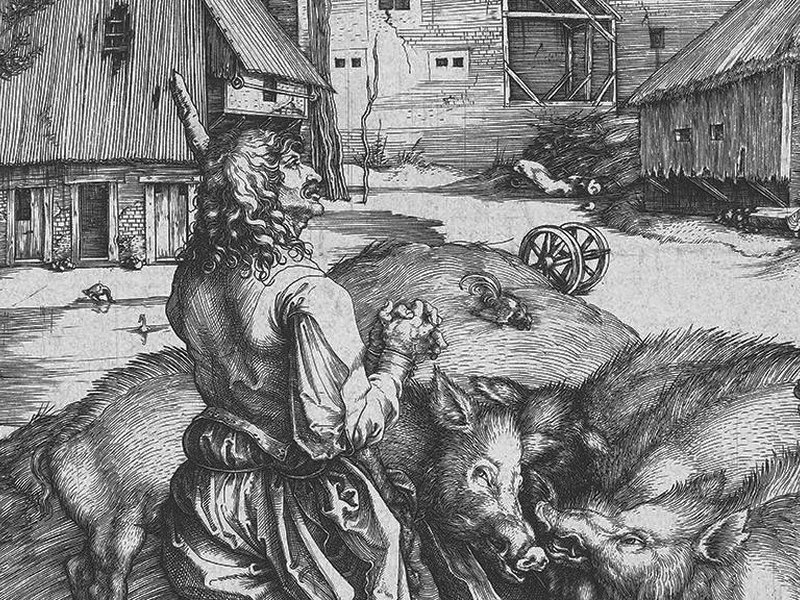
Perspectives on the Prodigal, (Part 2)

In the first essay on the parable of the Prodigal Son, I suggested that the problems commentators and others encounter in interpreting Jesus three-part parable are not accidental. These are not just problems in our ignorance of cultural background. They are intentional features of the stories —stories designed to poke…

by Ralph Allan SmithJuly 11, 2019
durer-prodigal-son-2
Luke

Perspectives on the Prodigal, (Part 1)

The story of the Prodigal Son is perhaps the most well-known story in the Bible. As others have observed, it may also be one of the most misunderstood. In two short essays, I will point out features of this story that are commonly neglected, aspects of Jesus’ parable that might…

by Ralph Allan SmithJuly 9, 2019
de-rijke-man-en-de-arme-lazarus-by-jacopo-da-ponte-16th-century
Luke

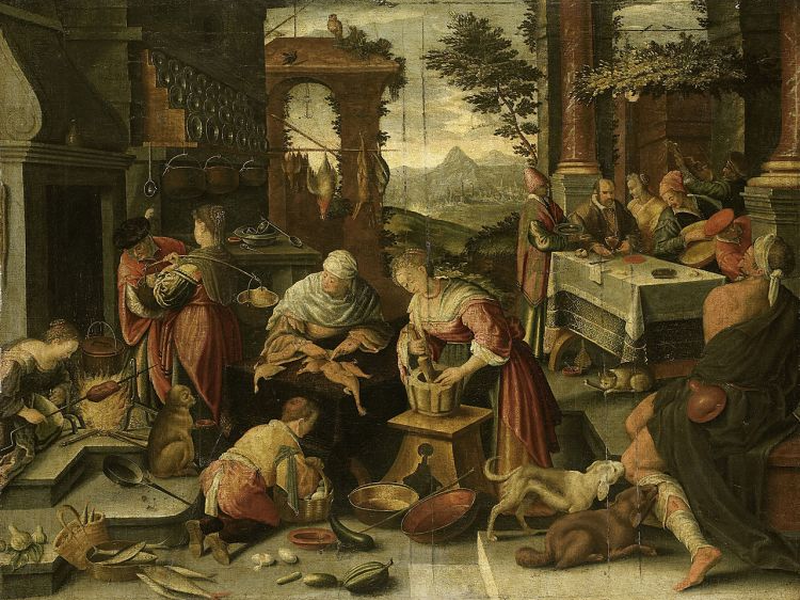
Lazarus and the Rich Man

The parable of Lazarus and the nameless rich man is not an independent story. It is part of a long context that begins in Luke 15:1, where Jesus is eating with tax collectors and sinners and the scribes and Pharisees grumble. In response to their hardheartedness, Jesus tells a three-part…

by Ralph Allan SmithJuly 4, 2019
aaron-burden-uynrnfdkjwg-unsplash
Luke

Everybody has Dropsy - Luke 14:1-24

The Bible is written so that even when a reader cannot pick up on what might be deeper or more detailed aspects of a text, there is virtually always a message to be heard. In the ancient world, where the “reader” of Scripture would likely be a church official facing…

by Ralph Allan SmithJuly 2, 2019
communion
Biblical Theology

Fruit Trees and Grain Plants

The distinction between garden (or vineyard) and field begins in Genesis 2. This relates to the ordering of the formless world. Plants of the field are contrasted with the garden planted by God in Genesis 2:5&8. Later on, under the Old Covenant the Israelites will be required to keep their…

by James B. JordanJune 27, 2019

Showing page 77 of 309

See all

Showing page 29 of 43

See all

Rape and Consolatio

I n a 2013 article in Augustinian Studies , Melanie Webb argues that Augustine challenged a deeply entrenched Roman and North African “heritage of valorized suicides” in his treatment of rape, shame, and suicide in the first book of City of God . That heritage included Christian writers, like Jerome…

January 26, 2015

Guinea Pig Economy

It isn’t just Facebook. Over at Forbes.com , Parmy Olson explains how companies are not only gathering data from our computers and phones, but constantly subjecting us to tests. We have entered the Guinea Pig Economy, and everyone with an internet connection is part of the experiment: “Consumers have been…

January 26, 2015

Life By Faith

Faith is inescapable. Trust is embedded, in various ways, in all human actions. We act in order to achieve certain results, aiming at expected consequences. When we act, we trust that the actions we perform will achieve those consequences. I turn the handle on my sink, trusting that the city’s…

January 26, 2015

Mosaianic Secret

Exodus and Acts seem to offer different accounts of Moses’ killing of the Egyptian. In Exodus, there’s an emphasis on the secrecy of the act. Moses sees an Egyptian beating a Hebrew slave, looks around to see if anyone is watching, then kills the Egyptian and buries him in the…

January 26, 2015

Who Needs Books?

Naomi Baron’s Reading Onscreen argues that the value of digital reading depends on the kind of reading you’re doing: “digital reading is fine for many short pieces or for light content we don’t intend to analyze or reread.” But “eReading is less well suited for many longer works or even…

January 23, 2015
Parenting

Who needs Dads?

In his Raising An Emotionally Intelligent Child , John Gottman describes “Emotion Coaching” in parenting. This involves involves acknowledging a child’s negative emotions, using those moments of negative emotion as an opportunity to teach and engage the child, listening, helping the child put labels on his feelings, and setting parameters…

January 23, 2015

Showing page 472 of 2212

Browse by Category

In Medias Res

Your weekly digest for all things Theopolis.

Donate

Theopolis is nearly 100% donor-supported. Consider joining us on our mission.