Theopolis Logo

Writing

Explore our collection of theological essays, biblical studies, and reflections on faith and culture.

See all
screen-shot-2022-05-12-at-12-07-23-pm
Leviticus

The Theology of the Drink Offering

The drink offering or libation ( nesek ) is mentioned in only three places in the book of Leviticus. When the sheaf of the firstfruits was waved before the Lord, a grain offering was to be burned, along with "its libation, a fourth of a hin of wine [approx. one…

by Peter LeithartJuly 17, 2018

aaron-burden-qjdzyt_k8xg-unsplash
Atonement

Limited Atonement & J. I. Packer

When I became a Calvinist it wasn't long before I learned that John Owen’s The Death of Death in the Death of Christ was regarded as the masterful treatise on what is known as "Limited Atonement"--the "L" in the TULIP mnemonic device for "the five points of Calvinism." This wasn't…

by Mark HorneJuly 12, 2018
30211-bathsheba-800w-tn
Hermeneutics

Bathsheba: The Real Story

One of the advantages of paying very close attention to the details in the Bible, especially chronological and genealogical details, is that they can shed light on situations that don’t seem to make much sense apart from them. One such situation is that of Bathsheba. It appears that Bathsheba willingly…

by James B. JordanJuly 10, 2018
img_7664
Leviticus

The Oddness of the Feast of Booths

The Feast of Ingathering in the seventh month of the Sinaitic calendar is also called the Feast of Sukkoth, of Booths, also called Feast of Tabernacles. I have usually called it by that last phrase, and it is the most common today; but there is a problem: A tabernacle is…

by James B. JordanJuly 5, 2018
alec-guinness-with-george-lucas
Matthew

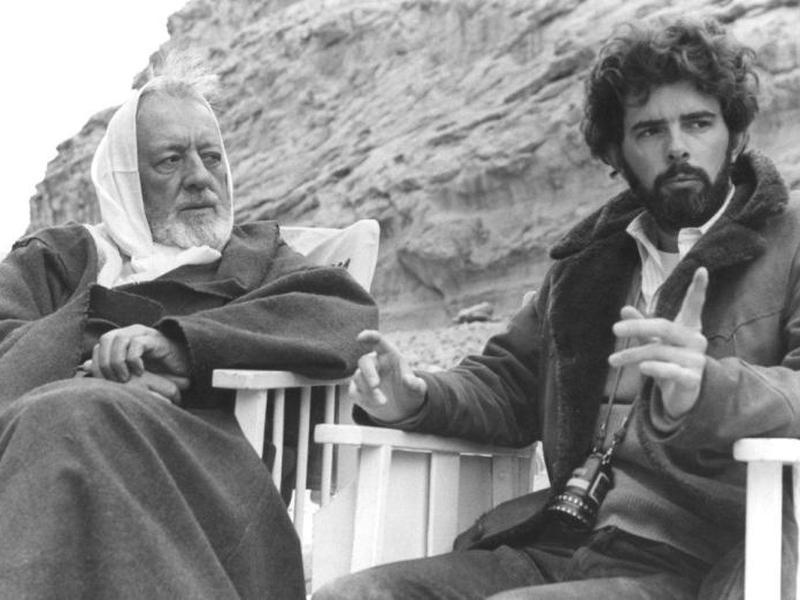
A Universe Less Expanded

When Matthew’s Gospel was first read aloud to the fledgling Christian congregations, the experience must have been like seeing the words “A long time ago in a galaxy far, far away…” appear afresh on cinema screens in 1999. Yet, unlike The Phantom Menace, the New Testament did not disappoint. Why?…

by Mike BullJuly 3, 2018
screen-shot-2018-06-28-at-9-29-39-am
Art

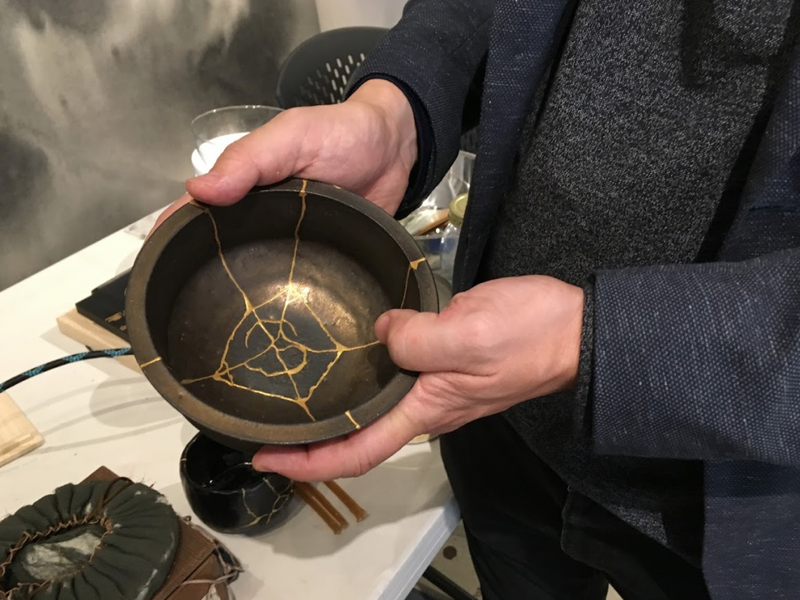
Seeking Integration in a Fragmented World: Kintsugi Integration

Fragmentation and integration are phenomena which artist Makoto Fujimura feels bodily, and about which he is concerned profoundly. What do these mean for him? How may we draw his insights into this ongoing consideration—itself integrative—of integration in a fragmented world? Thus far I have been acquainting you with matters already…

by Esther Lightcap MeekJune 28, 2018

Showing page 91 of 309

See all

Showing page 29 of 43

See all
Science

God or the Multiverse

Sheldrake ( The Science Delusion , 10-12) explains why physicalism - the hope that physics will finally vindicate materialism - is doomed. One reason is the “Cosmological Anthropic Principle,” which claims that “if the laws and constants of nature had been slightly different at the moment of the Big Bang,…

April 4, 2013
Science

Die to Live

During his PhD research, Rupert Sheldrake ( The Science Delusion , 1-2) made an original discovery about plant cells: “dying cells play a major part in the regulation of plant growth, releasing the plant hormone auxin as they break down in the process of ‘programmed cell death.’ Inside the growing…

April 4, 2013
History

Constantine and Constantinianism

Constantine permitted transfer of legal cases from civil to ecclesiastical courts, and also permitted ministers to manumit slaves. Both, Potter says ( Constantine the Emperor , 181 ), were steps that effectively turned clergy into civic authorities. On the first decision, Potter notes that “The main problem with Constantine’s decision,…

April 3, 2013
History

Turning point

TD Barnes has vigorously contested popular ideas of the Edict of Milan: It was not issued in Milan and didn’t affect Italy; it didn’t legalize Christianity, which was already legal; it was not an edict. This can leave the impression that the declaration of Licinius on June 13, 313 was…

April 3, 2013
History

What Did Constantine Do?

Potter ( Constantine the Emperor , 95) asks what Constantine was doing during the great persecution. His answers are speculative; we don’t and can’t know for sure, since Constantine’s feelings and thoughts were never recorded. But it is a worthwhile speculation: “He was a visible member of the court; many…

April 3, 2013
History

Burkhardt redux

David Potter’s Constantine the Emperor has many virtues. Potter is hugely well-informed about Roman history, and is able to place Constantine in his context like few others. His discussion of Diocletian’s “interventionist” policy (his Price Edict and his edicts regarding Christianity) is superb, as is his sense of the limits…

April 3, 2013

Showing page 760 of 2212

Browse by Category

In Medias Res

Your weekly digest for all things Theopolis.

Donate

Theopolis is nearly 100% donor-supported. Consider joining us on our mission.