Theopolis Logo

Writing

Explore our collection of theological essays, biblical studies, and reflections on faith and culture.

See all
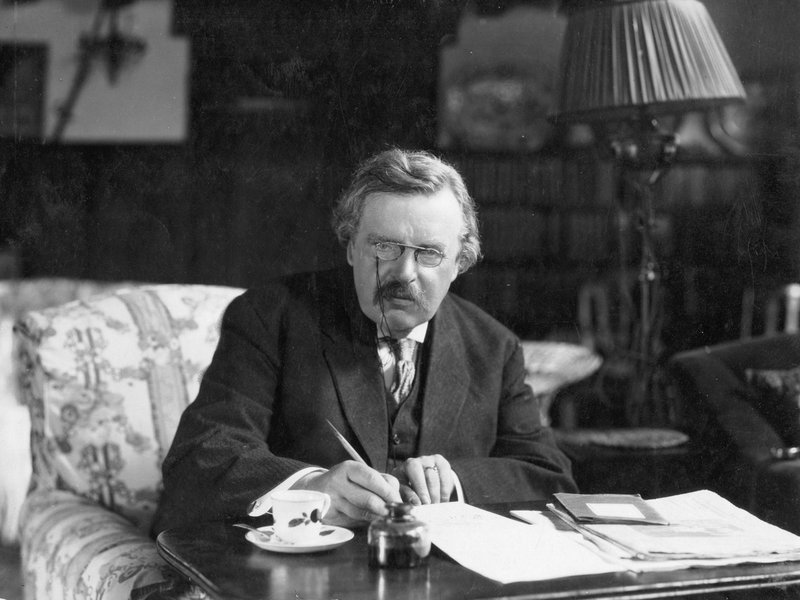
g-_k-_chesterton_at_work
Books

Interpreting "The Man Who Was Thursday"

I just finished re-reading G. K. Chesterton’s The Man Who Was Thursday . I have in the past had the temerity to say that I believe it to be the best novel of the 20th century. Be that as it may, I still maintain that it is at least one…

by Richard BledsoeJanuary 7, 2022
10779-istockgetty-images-plusredletterw
Hebrews

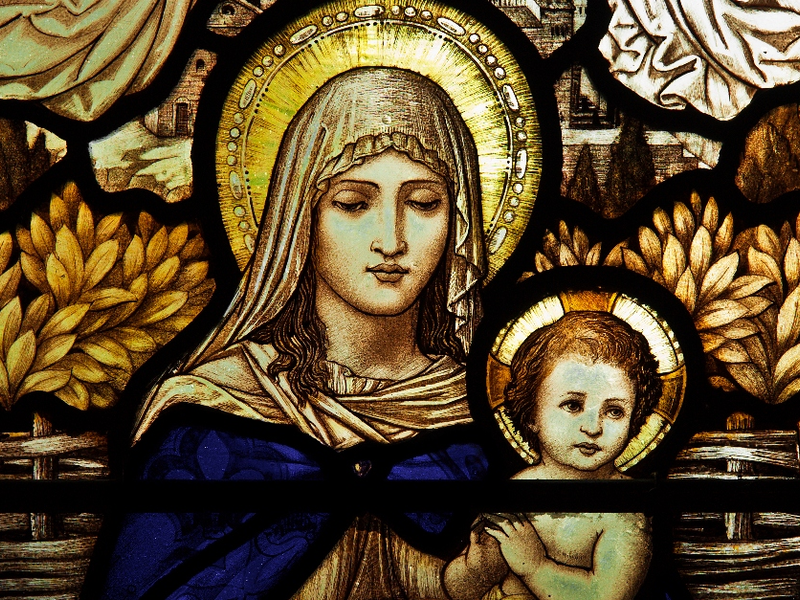
The Universality of Mary’s Wound

And Simeon blessed them and said to Mary his mother, “Behold, this child is set for the fall and rising of many in Israel, and for a sign that is spoken against and a sword will pierce through your own soul also, that thoughts out of many hearts may be…

by Garrett SoucyJanuary 4, 2022
heartierhymnals-stockimage
Music

An Argument for Heartier Hymnals

I was inspired to write this article after reading John Ahern’s The Case for Shorter Hymnals first published on Theopolis Institute’s website on November 16, 2021. Mr. Ahern and I are writing with different audiences and emphases in mind. I am thankful we both share a mutual desire to see…

by Jarrod RicheyDecember 30, 2021
tim-marshall-k2u71wv2ei4-unsplash-1
Biblical Studies

Image of God

If you’ve spent any time in the social-media galaxy of Christian cultural commentators, you have almost definitely run across the Latin phrase Imago Dei . It means image of God . Why they usually say it in Latin, I couldn’t tell you. We saw it in the wake of the…

by Daniel HoffmanDecember 28, 2021
annunciation
Advent

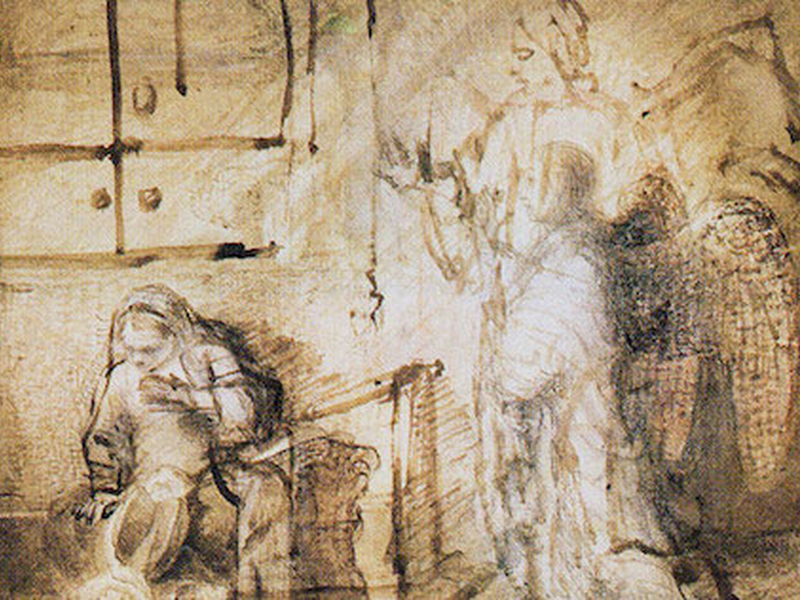
He Comes to Make His Blessings Known: "Son of David" and "Son of Abraham" in Matthew 1:1

The Gospel of Matthew—indeed, the New Testament—begins with a list of names, and that list of names is introduced by this heading: “The book of the generations of Jesus Christ, the son of David, the son of Abraham.” Why start like this? Why “the son of David” and “the son…

by Josh JensenDecember 23, 2021
49980-nicolas_poussin_-_the_judgment_of_solomon_-_wga18330-800w-tn
Biblical Studies

On Not Needing to Cut the Baby in Half

A blade is raised. A child wails. But the brow under the crown is untroubled. Solomon knows that the raising of the sword will reveal the true parent and the identity of the son. But how did he know this? Abraham’s willingness to sacrifice Isaac certainly bears some of the…

by Jonathan WhiteDecember 21, 2021

Showing page 48 of 309

See all
See all

Law and Mirrors

James says that the law is a mirror. We think he means that we read the law, it shows us flaws and blemishes, and we are convicted of sin. That’s not the way the image works in James. The man who looks in a mirror and turns away is not…

January 30, 2009
History

Julian the Christian

Julian “the Apostate” saw how the Christian church grew “due to philanthropy to strangers, burial of the dead and seeming purity of life.” Pagans needed to catch up, and this meant charity: “In every city,” he ordered, “numerous hostels should be established that strangers, whether or not of our faith,…

January 29, 2009
Literature

Updike

No American writer of the last fifty years even approximated the luxuriance of John Updike. In its lengthy obit, the NYT cites this from an early short story: “Snow fell against the high school all day, wet big-flake snow that did not accumulate well. Sharpening two pencils, William looked down…

January 29, 2009
History

Christians and empire

“One cannot serve God and the Emperor,” Tertullian wrote. Early Christians were anti-imperial then? Not necessarily. When Celsus charged that Christians would leave the Emperor alone against the barbarians, Origen protested: “We help the emperor in his extremities by our prayers and intercessions more effectively than do the soldiers. Just…

January 29, 2009
History

Christians and slavery

Early Christians did not call for abolition, and even after the empire became Christian much of the traditional Roman social structure remained in place. Yet, Hermann Dorries writest that Christianity provided Constantine and the Christian emperors who followed with “the possibility of gradual amelioration.” Considering the central economic importance of…

January 29, 2009
Politics

Endless campaign

In his first interview as President, Obama told Al-Arabiya that America needs to learn to listen because “all too often the United States starts by dictating.” Does anyone honestly believe that American diplomats go into the Middle East and starts by ordering everybody around? Of course, US diplomats have a…

January 27, 2009

Showing page 1423 of 2212

Browse by Category

In Medias Res

Your weekly digest for all things Theopolis.

Donate

Theopolis is nearly 100% donor-supported. Consider joining us on our mission.