Theopolis Logo

Writing

Explore our collection of theological essays, biblical studies, and reflections on faith and culture.

See all
tianyi-ma-wionhd_zyi4-unsplash-1
Technology

Simulation as Inoculation

Every advent of new media creates the justifiable reaction from some that the necessarily accompanied amputation may not be worth the extension made possible by the new tools. This is not unique to the Digital Age. Lamoignon Malesherbes, the French politician who was counsel for the defense of Louis XVI,…

by Garrett SoucyApril 2, 2024

kevin-butz-ona0c3vqoae-unsplash
Eschatology

Reject Optimism

A response to Gage Crowder's " The Hole in our Hope ?" Already, the first pages of the Bible promise a bright future. The story starts with the creation of heaven and earth, where heaven is perfect, but the earth is in a state of formless emptiness. Yet, God takes…

by Bogumil JarmulakMarch 27, 2024
kelly-sikkema-aageorr0iqs-unsplash
Eschatology

The Hole in our Hope? A Rejoinder

A rejoinder to Bubu Jarmulak's essay, " Embrace Pessimism ." Whereas calumnious critiques are reflections of more on the critic than the work criticized, good critiques are always opportunities for reassessment and improvement if they are received as such . Since its renaissance, the biblical doctrine of postmillennialism—or “optimistic eschatology,”…

by Gage CrowderMarch 26, 2024
k-mitch-hodge-ljyzwxftv44-unsplash
Biblical Studies

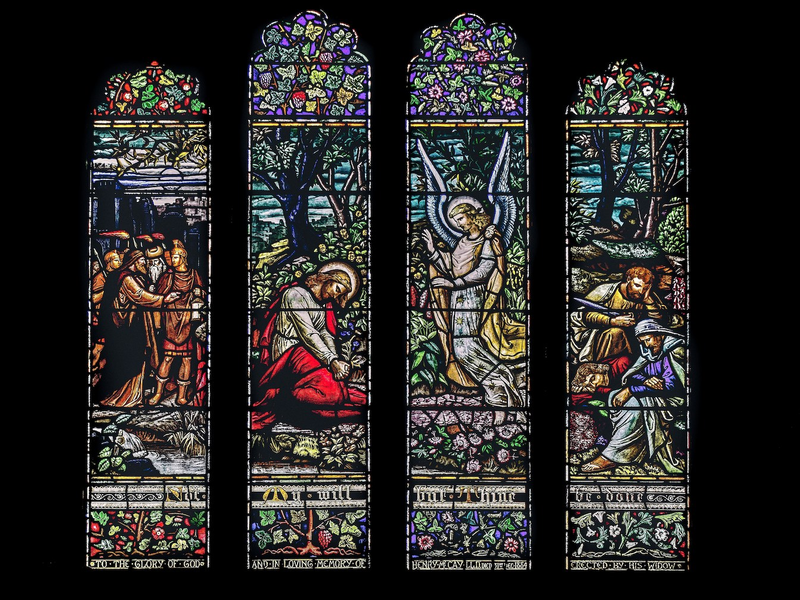
Jesus Did Not Pray to Avoid the Cross at Gethsemane

Several decades ago, a pastor (and friend) mentioned in passing at one of our regular breakfasts together that he wasn’t satisfied with the usual reading of Jesus’s prayer in Gethsemane, the usual reading being that Jesus asked the Father to avoid the Cross at Gethsemane. We turned to the passage,…

by James R. RogersMarch 19, 2024
alexandre-dinaut-alh1npgebd4-unsplash
Church Music

Holy Toledo: A Critique of Eclecticism

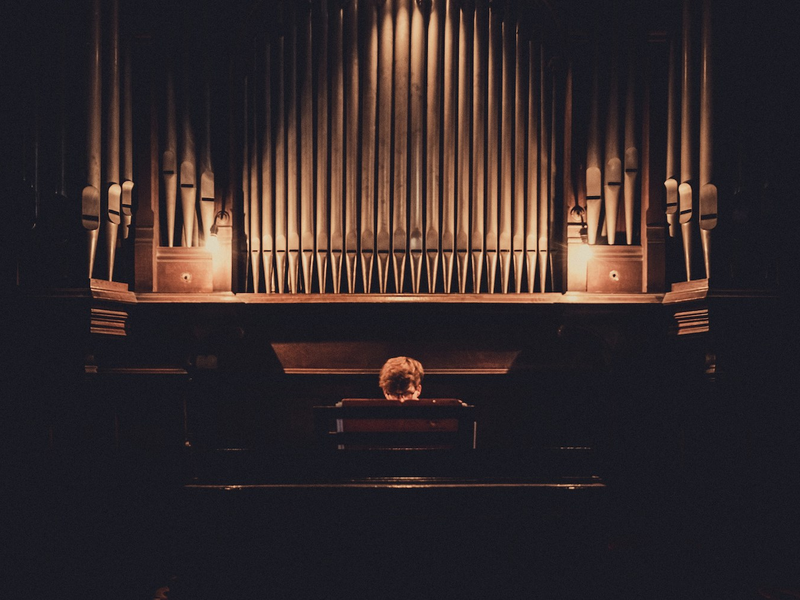
On May 21, 1604, the cathedral of Toledo in Spain held job interviews for the post of choirmaster, the head of music at the church. The position had been vacated when the previous occupant, Alonso Lobo, was poached by the nearby cathedral of Seville, and Toledo needed a replacement who…

by John AhernMarch 5, 2024
kelly-sikkema-ggs0_g6wi-i-unsplash
Covenant

The Docetic Covenant and Phantom Church Membership

Imagine — counterfactually: on the night he was betrayed, the Lord Jesus held up an empty hand and said, ‘This is the blood of the covenant poured out for you. Drink of it.’ But there was no cup, no wine, nothing. If there’s no sign of the covenant, is there…

by John CarpenterFebruary 27, 2024

Showing page 22 of 309

See all
See all
History

Where was Augustine?

The Reformed Orthodox were entirely correct to discern a fundamental threat and challenge in the spread of Cartesianism, especially as regards the relation of philosophy and theology. But it’s hard to read about their responses without sadness. “Whatever reason brings out of its stinking heaps must be subordinate to the…

April 23, 2008
History

Descartes, Pro and Contra

On the one hand: Method is a discipleship - a “following after.” And the Cartesian methodus is in conflict with the “following after” demanded of a Christian disciple. Here, Descartes offers a different way, a different truth and life. The Christian “method” of knowledge and wisdom is discipleship, not doubt…

April 23, 2008
History

Cartesian critique

Bizer again, on Melchior Leydekker’s summary of the Cartesian critique of Reformed orthodoxy: “The Cartesians reproach the orthodox to the effect that their theology is not scriptural, that they have re-introduced Catholic scholasticism into the Church; that they hinder every advance in knowledge and their work does not have scientific…

April 23, 2008

Lutherans at bay

At several points, Bizer notes that the Reformed orthodox critics of Cartesian philosophy and its application to theology formulated their arguments to buttress their opposition to Lutheran ideas of the real presence. Peter van Mastricht “resists the proposition that God could do something contradictory; one of the reasons for this…

April 23, 2008
History

Orthodoxy’s failure

Reformed Orthodoxy failed to stop the spread of Cartesian philosophy, despite vigorous efforts. Why? Bizer suggests that the orthodox critique often adopted much of what it criticized. In Martin Schoock’s notorious response to Descartes, “there is no word . . . about the fact that the Cartesian proof of God…

April 23, 2008
History

Cocceian-Cartesians

Johannes Cocceius, a father of biblical theology, would seem to have little in common with Cartesian rationalism. But most of the Cocceians in the latter part of the 17th century were Cartesians. Ernest Bizer (in an article entitled “Reformed Orthodoxy and Cartesianism”) suggests that there was an affinity between the…

April 23, 2008

Showing page 1528 of 2212

Browse by Category

In Medias Res

Your weekly digest for all things Theopolis.

Donate

Theopolis is nearly 100% donor-supported. Consider joining us on our mission.