Theopolis Logo

Writing

Explore our collection of theological essays, biblical studies, and reflections on faith and culture.

See all
screen-shot-2022-05-12-at-12-07-23-pm
Leviticus

The Theology of the Drink Offering

The drink offering or libation ( nesek ) is mentioned in only three places in the book of Leviticus. When the sheaf of the firstfruits was waved before the Lord, a grain offering was to be burned, along with "its libation, a fourth of a hin of wine [approx. one…

by Peter LeithartJuly 17, 2018

aaron-burden-qjdzyt_k8xg-unsplash
Atonement

Limited Atonement & J. I. Packer

When I became a Calvinist it wasn't long before I learned that John Owen’s The Death of Death in the Death of Christ was regarded as the masterful treatise on what is known as "Limited Atonement"--the "L" in the TULIP mnemonic device for "the five points of Calvinism." This wasn't…

by Mark HorneJuly 12, 2018
30211-bathsheba-800w-tn
Hermeneutics

Bathsheba: The Real Story

One of the advantages of paying very close attention to the details in the Bible, especially chronological and genealogical details, is that they can shed light on situations that don’t seem to make much sense apart from them. One such situation is that of Bathsheba. It appears that Bathsheba willingly…

by James B. JordanJuly 10, 2018
img_7664
Leviticus

The Oddness of the Feast of Booths

The Feast of Ingathering in the seventh month of the Sinaitic calendar is also called the Feast of Sukkoth, of Booths, also called Feast of Tabernacles. I have usually called it by that last phrase, and it is the most common today; but there is a problem: A tabernacle is…

by James B. JordanJuly 5, 2018
alec-guinness-with-george-lucas
Matthew

A Universe Less Expanded

When Matthew’s Gospel was first read aloud to the fledgling Christian congregations, the experience must have been like seeing the words “A long time ago in a galaxy far, far away…” appear afresh on cinema screens in 1999. Yet, unlike The Phantom Menace, the New Testament did not disappoint. Why?…

by Mike BullJuly 3, 2018
screen-shot-2018-06-28-at-9-29-39-am
Art

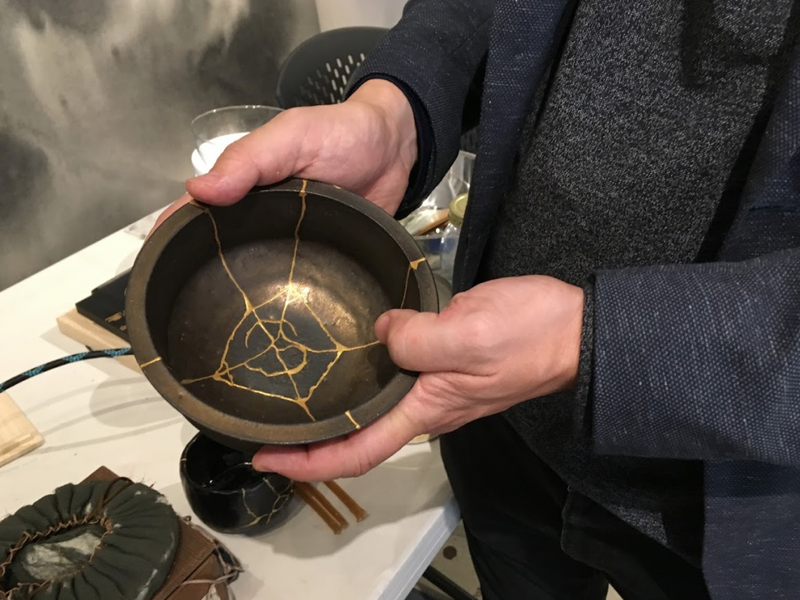
Seeking Integration in a Fragmented World: Kintsugi Integration

Fragmentation and integration are phenomena which artist Makoto Fujimura feels bodily, and about which he is concerned profoundly. What do these mean for him? How may we draw his insights into this ongoing consideration—itself integrative—of integration in a fragmented world? Thus far I have been acquainting you with matters already…

by Esther Lightcap MeekJune 28, 2018

Showing page 91 of 309

See all
See all

Ten books

Pamuk again: “to read well is not to pass one’s eyes and one’s mind slowly and carefully over a text: it is to immerse oneself utterly in its soul. This is why we fall in love with only a few books in a lifetime. Even the most finely honed personal…

January 19, 2008
Literature

Reading and Words

Pamuk again, summarizing a comment from Proust concerning reading: “There is, he said, a part of us that stays outside the text to contemplate the table at which we sit, the lamp that illuminates the plate, the garden around us, or the view beyond. When we notice such things, we…

January 19, 2008
Literature

Dostoevsky’s anger

In an essay on Notes from Underground , the Turkish novelist Orhan Pamuk suggests that Dostoevsky’s “anger was not a simply expression of anti-Westernism or hostility to European thinking: What Dostoyevsky[his spelling] resented was that European thought came to his country at second hand. What angered him was not its…

January 19, 2008

Jesus’ Sword

Jesus comes to bring a sword that sets sons against fathers, daughters against mothers, etc. (Matthew 10:34-39). What is the sword? Perhaps Rome; and when Jesus wields the sword of the Roman armies against Judea and Jerusalem, He sets family members against one another. With Rome threatening, some Jews will…

January 19, 2008

Parable of fig tree

What is the “Parable of the fig tree” that Jesus mentions in Matthew 24:32? The fig tree’s branches and leaves will tell you that summer is near, and that when the things he describes take place the time of the end is near. But what does this refer to exactly?…

January 19, 2008

Hagar’s Firsts

In her contribution to Hagar, Sarah and their Children (WJK), Phyllis Trible develops an interesting feminist reading of the story of Hagar. Her targets (surprise!) patriarchy and hierarchy, but along the way she makes some insightful observations on the text. She notes, for instance, that Hagar’s departure from the household…

January 19, 2008

Showing page 1580 of 2212

Browse by Category

In Medias Res

Your weekly digest for all things Theopolis.

Donate

Theopolis is nearly 100% donor-supported. Consider joining us on our mission.