Theopolis Logo

Writing

Explore our collection of theological essays, biblical studies, and reflections on faith and culture.

See all
cloister

Gatekeepers

1 Chronicles 9:1 seems to bring the genealogies of 1 Chronicles to an end. The Chronicler has recorded the genealogy of the human race from Adam, focusing on the descendants of Abraham through Jacob. Summing it all up, he says, “So all Israel was enrolled by genealogies; and behold, they…

by Peter LeithartJune 21, 2016
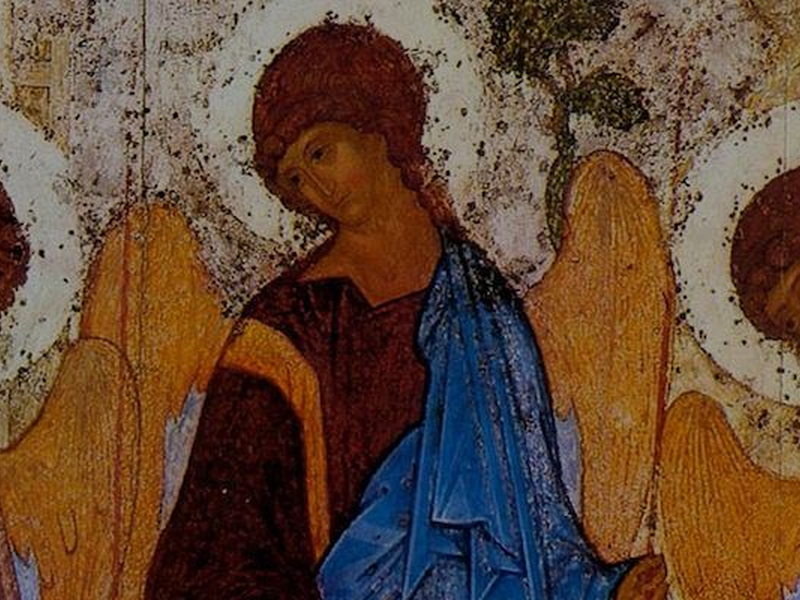
trinity-1-2
Trinity

Are the Divine Persons Persons?

The “personalist” understanding of the Trinity, articulated most influentially in the work of John Zizioulas, has fallen on hard times. Recent scholars have attacked Zizioulas’s idea that Cappadocian Trinitarianism represented an ontological revolution, hammering on the distinction between divine and human personhood. Michel Barnes’s conclusion is the most drastic of…

by Peter LeithartJune 16, 2016
img_4660-2
Architecture

On Biblical Theology

Biblical Theology is often defined as the historical unfolding of God’s revelation, or of God’s revelation and of the history of his covenantal redemption and transformation of humanity and the world. In practice, Biblical Theology is usually broader than this, and also includes the study of literary structure and of…

by James B. JordanJune 14, 2016
laughing_statue_by_xxbobbiie-d5f0meh-2
Humor

Wise Laughter

We are made to be happy. Created to enter into the eternal joy of God, our whole being inclines to that end, but the fallen world has put forth barriers and by our own sin we bar ourselves from that endless delight, and death blinds us to that reality. Yet…

by Remy WilkinsJune 7, 2016
img_7664
Liturgy

Why Theopolis? Take Two

At the end of Revelation, John sees the heavenly city descending to earth. The city shines with the brilliance of God's glory, which lightens the nations, so that kings bring their glory to the city. This is not a vision of the final new heaven and new earth. It's a…

by Peter LeithartJune 2, 2016
trinity-1-2
Attributes of God

How Can We Talk About God?

“No one has ever seen God,” writes John (John 1:18). If this is the case, then how can we speak about God? Some people say we actually cannot. Or at least we cannot speak about God positively, i.e. who He is. We can only say who or what God is…

by Bogumil JarmulakMay 31, 2016

Showing page 130 of 309

See all
See all

Freed from Futility

P aul encourages the Romans to endure because the sufferings they endure pale in comparison to the glory that will be revealed “into” them. Paul’s language suggests that glory will not merely be shown to the sons of God, but that it will be bestowed on us (Romans 8). The…

July 26, 2017

You Are Witnesses

“Y ou are My witnesses,” Yahweh says to Israel (Isaiah 43:1). Then again, “You are my witnesses” (43:12) And a third time, “You are my witnesses” (44:8). Israel is Yahweh’s Servant, and as Servant a witness. Israel's history provides a witness in Yahweh's defense against the accusations of the nations…

July 25, 2017

Conservatism's Putin Problem, Revisited

T homas Hamilton writes to challenge last week's essay on Putin, nationalism, and globalism. He doesn't think that I fairly captured why American conservatives are partial to Putin: I didn't think your article on Putin and the American right quite represented what many paleoconservatives (including myself) see in Putin. Buchanan,…

July 25, 2017

Song of the Justified

R omans 8:31–39 is better sung than commented upon. It’s a thrilling, ecstatic hymn of boisterous assurance that God’s purposes will be accomplished. Yet, I will attempt to comment on them. If we sing Paul’s hymn, let’s make sure we sing with understanding. Given the character of these verses, it’s…

July 24, 2017

Return to Paterson

T wo weeks after watching, I'm still thinking about Paterson the film and the poem . A few notes: 1) Internal rhymes thicken the fabric of the film. Paterson meets several sets of twins (reflections of Paterson the driver and Paterson the city?). When his bus breaks down, several people…

July 21, 2017

Simeon's Trust

I n his book, The Silent Revolution and the Making of Victorian England , Herbert Schlossberg sums up the career of the Cambridge Evangelical leader, Charles Simeon. He emphasizes Simeon's role as trustee of “Simeon's Trust,” a project that depended on “the peculiar nature of the right to appoint church…

July 21, 2017

Showing page 159 of 2212

Browse by Category

In Medias Res

Your weekly digest for all things Theopolis.

Donate

Theopolis is nearly 100% donor-supported. Consider joining us on our mission.