Theopolis Logo

Writing

Explore our collection of theological essays, biblical studies, and reflections on faith and culture.

See all
cloister

Gatekeepers

1 Chronicles 9:1 seems to bring the genealogies of 1 Chronicles to an end. The Chronicler has recorded the genealogy of the human race from Adam, focusing on the descendants of Abraham through Jacob. Summing it all up, he says, “So all Israel was enrolled by genealogies; and behold, they…

by Peter LeithartJune 21, 2016
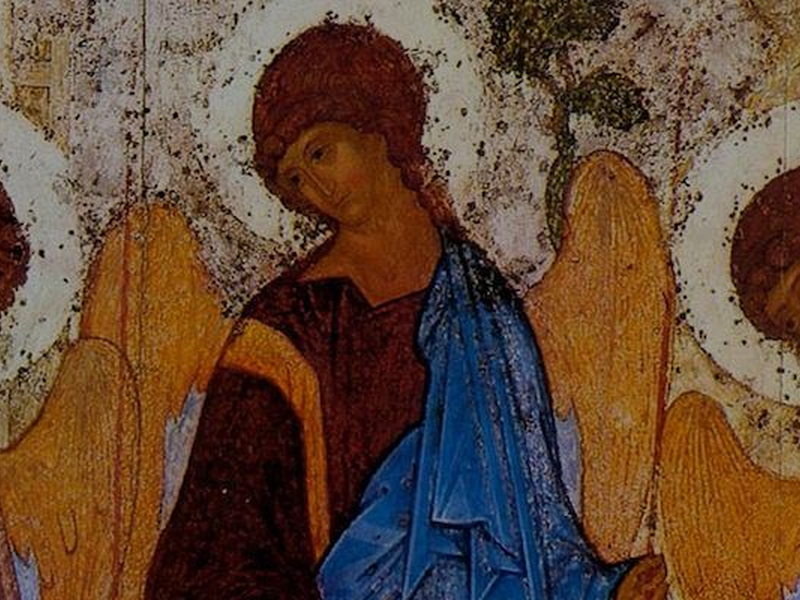
trinity-1-2
Trinity

Are the Divine Persons Persons?

The “personalist” understanding of the Trinity, articulated most influentially in the work of John Zizioulas, has fallen on hard times. Recent scholars have attacked Zizioulas’s idea that Cappadocian Trinitarianism represented an ontological revolution, hammering on the distinction between divine and human personhood. Michel Barnes’s conclusion is the most drastic of…

by Peter LeithartJune 16, 2016
img_4660-2
Architecture

On Biblical Theology

Biblical Theology is often defined as the historical unfolding of God’s revelation, or of God’s revelation and of the history of his covenantal redemption and transformation of humanity and the world. In practice, Biblical Theology is usually broader than this, and also includes the study of literary structure and of…

by James B. JordanJune 14, 2016
laughing_statue_by_xxbobbiie-d5f0meh-2
Humor

Wise Laughter

We are made to be happy. Created to enter into the eternal joy of God, our whole being inclines to that end, but the fallen world has put forth barriers and by our own sin we bar ourselves from that endless delight, and death blinds us to that reality. Yet…

by Remy WilkinsJune 7, 2016
img_7664
Liturgy

Why Theopolis? Take Two

At the end of Revelation, John sees the heavenly city descending to earth. The city shines with the brilliance of God's glory, which lightens the nations, so that kings bring their glory to the city. This is not a vision of the final new heaven and new earth. It's a…

by Peter LeithartJune 2, 2016
trinity-1-2
Attributes of God

How Can We Talk About God?

“No one has ever seen God,” writes John (John 1:18). If this is the case, then how can we speak about God? Some people say we actually cannot. Or at least we cannot speak about God positively, i.e. who He is. We can only say who or what God is…

by Bogumil JarmulakMay 31, 2016

Showing page 130 of 309

See all
See all

Example, Father, Type

W hat is the thrust of the argument in Romans 4? Is Paul mainly concerned to present Abraham as an example of individual belief and trust in God? Or is the argument mainly about Abraham as father of both Jews and Gentiles? Is Abraham's faith presented as the means by…

July 6, 2017

Psalms of Justification

A ttacked by his enemies, David cries out, asking God to judge. He prays for favorable judgment for himself, or, in Pauline terminology, for justification. In the Psalms, justification is a drama that has a consistent shape—threat, anguished protest and prayer, God's intervention, rescue and punishment, rejoicing. I have examined…

July 5, 2017

Greatest Poem

F rom Whitman's Preface to the 1855 edition of Leaves of Grass : The Americans of all nations at any time upon the earth, have probably the fullest poetical nature. The United States themselves are essentially the greatest poem. In the history of the earth hitherto the largest and most…

July 4, 2017

Chemnitz on Abraham’s Justification

I n what context does “justification” fit? Does the word describe what happens to sinners when they are restored to the favor of God in their individual experience? Or is it instead, or also, a description of something that happened in the life-history of Jesus, as He lives a life…

July 3, 2017

On Trump and Trumpism

L ike many Americans, I've spent an inordinate proportion of the past two years thinking about Donald Trump. I've written more about the 2016 Presidential election than about any other political event in my lifetime. Recently, someone said he thought I was a Trump supporter. That surprised me, but on…

July 3, 2017

Not Listening

L uke Bretherton argues ( Christianity, Democracy and the Shadow of Constantine ) that “For the church, listening is the constitutive political act” (71). This is true in part because “Through listening and responding to the Word of God, the Church is assembled as a public body—the ekklesia —out of…

June 30, 2017

Showing page 166 of 2212

Browse by Category

In Medias Res

Your weekly digest for all things Theopolis.

Donate

Theopolis is nearly 100% donor-supported. Consider joining us on our mission.