Theopolis Logo

Writing

Explore our collection of theological essays, biblical studies, and reflections on faith and culture.

See all
cloister

Gatekeepers

1 Chronicles 9:1 seems to bring the genealogies of 1 Chronicles to an end. The Chronicler has recorded the genealogy of the human race from Adam, focusing on the descendants of Abraham through Jacob. Summing it all up, he says, “So all Israel was enrolled by genealogies; and behold, they…

by Peter LeithartJune 21, 2016
trinity-1-2
Trinity

Are the Divine Persons Persons?

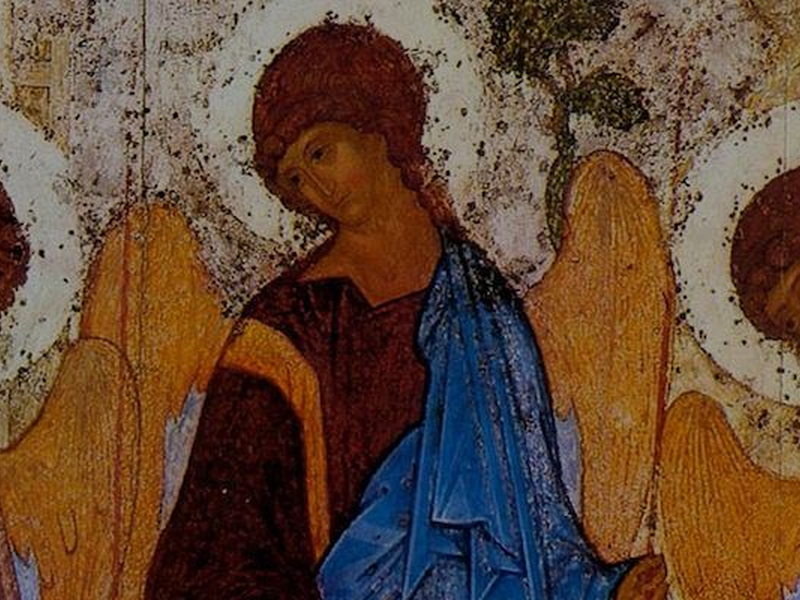
The “personalist” understanding of the Trinity, articulated most influentially in the work of John Zizioulas, has fallen on hard times. Recent scholars have attacked Zizioulas’s idea that Cappadocian Trinitarianism represented an ontological revolution, hammering on the distinction between divine and human personhood. Michel Barnes’s conclusion is the most drastic of…

by Peter LeithartJune 16, 2016
img_4660-2
Architecture

On Biblical Theology

Biblical Theology is often defined as the historical unfolding of God’s revelation, or of God’s revelation and of the history of his covenantal redemption and transformation of humanity and the world. In practice, Biblical Theology is usually broader than this, and also includes the study of literary structure and of…

by James B. JordanJune 14, 2016
laughing_statue_by_xxbobbiie-d5f0meh-2
Humor

Wise Laughter

We are made to be happy. Created to enter into the eternal joy of God, our whole being inclines to that end, but the fallen world has put forth barriers and by our own sin we bar ourselves from that endless delight, and death blinds us to that reality. Yet…

by Remy WilkinsJune 7, 2016
img_7664
Liturgy

Why Theopolis? Take Two

At the end of Revelation, John sees the heavenly city descending to earth. The city shines with the brilliance of God's glory, which lightens the nations, so that kings bring their glory to the city. This is not a vision of the final new heaven and new earth. It's a…

by Peter LeithartJune 2, 2016
trinity-1-2
Attributes of God

How Can We Talk About God?

“No one has ever seen God,” writes John (John 1:18). If this is the case, then how can we speak about God? Some people say we actually cannot. Or at least we cannot speak about God positively, i.e. who He is. We can only say who or what God is…

by Bogumil JarmulakMay 31, 2016

Showing page 130 of 309

See all
See all

Reverse Exodus

T he book of Acts ends with a sailor's yarn. Paul has appealed to Caesar, and is sailing toward Italy when the ship hits a squall. Luke gives a detailed account of the efforts to save the ship and the final shipwreck at Malta, during which all 276 people on…

June 30, 2017

Canon and Communio

I n her essay in Christianity, Democracy, and the Shadow of Constantine , Mary Doak unpacks some features of a Trinitarian, communion-oriented political theology. She doesn't, however, think that communio ecclesiology implies pacificism, and, as a feminist theologian, she worries that communio can be used to blunt the force of…

June 30, 2017

Prince's Poo

D an Piepenbring comments briefly in The Paris Review on a bizarre fashion trend of the eighteenth century: “During Marie Antoinette’s time, for instance, there was a brief craze for caca-dauphin , a shade of brown that resembled the color of the new prince Louis-Joseph’s soiled diapers. In the most…

June 30, 2017

The OlivierBrando

R eflecting on the retirement of actor Daniel Day-Lewis at Variety , Owen Gleiberman suggests that “What retired . . . is something that’s waning in the culture: the belief in acting as a highly sculpted soul transplant—as the mystical spirit of inhabitation.” He fills out the point by situating…

June 30, 2017

Finding Your Voice

M y son Woelke sent this along, from Louis Menand: The real basis for the metaphor of voice in writing is not speaking. It is singing. You cannot know a singer from her speech, and although ‘natural phrasing' and ‘from the heart' are prized attributes of song, actually singing that…

June 30, 2017

Shakespeare and Montaigne

I n the course of reviewing Philippe Desan's Montaigne: A Life , Jane Kramer speculates on the fraught question of Montaigne's influence on Shakespeare. Such influence is historically plausible: “Although Florio’s 1603 effort was the first English rendering of Montaigne’s essays to appear in book form, they had certainly been…

June 30, 2017

Showing page 167 of 2212

Browse by Category

In Medias Res

Your weekly digest for all things Theopolis.

Donate

Theopolis is nearly 100% donor-supported. Consider joining us on our mission.