Theopolis Logo

Writing

Explore our collection of theological essays, biblical studies, and reflections on faith and culture.

See all
isaiah-commission
Isaiah

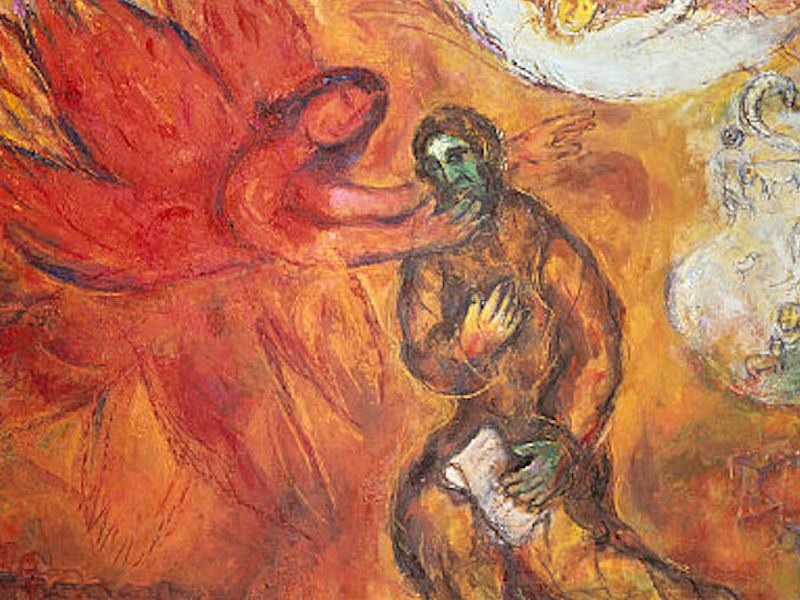
To An Unclean People

The book of Isaiah has a very brief introduction, one verse, and then plunges into a searing indictment of the people of Judah and Jerusalem. They are sons who do not honor their father, worse than donkeys and oxen who at least know their master. They are a bruised and…

by Peter LeithartSeptember 1, 2015

sixteen-miles-out-al48tflf4e8-unsplash
Biblical Studies

Apologia on Reading the Bible, (Part 3)

This is the third of a three-part essay. The Literary Reader As a conclusion to this essay, I want to make some observations that grow out of C. S. Lewis’s remarkable Experiment in Criticism , mentioned in an earlier installment. What Lewis is interested in doing is coming up with…

by James B. JordanAugust 27, 2015
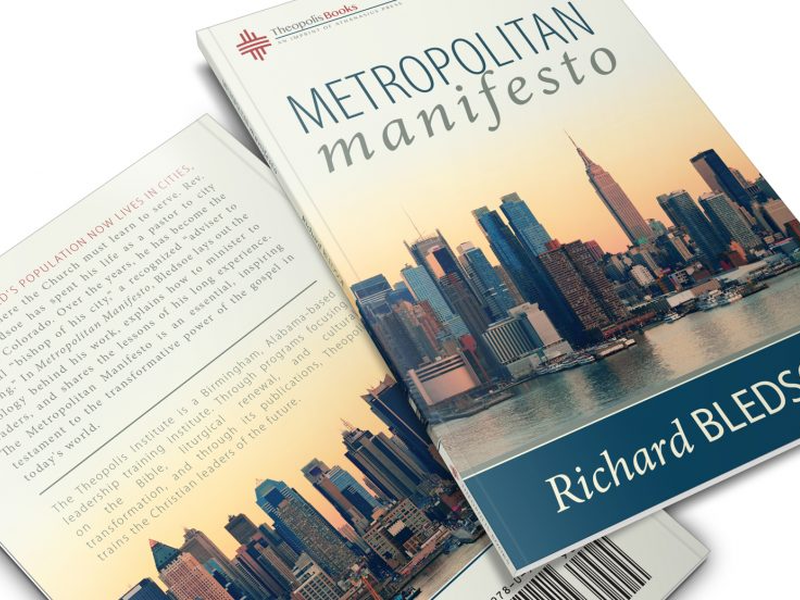
metropolitanmanifesto-3dfrontback-promo-3
Theopolis News

Metropolitan Manifesto: Available Now!

Metropolitan Manifesto, the new work from Theopolis fellow Richard Bledsoe, and first "Theopolis Books" release, is out today! Head over to the Athanasius Press website to get a copy. Half the world's population now lives in cities, and that is where the Church must learn to serve. Rev. Richard Bledsoe…

by Brian MoatsAugust 25, 2015
medievalilluminatedmanuscript
Biblical Studies

Apologia on Reading the Bible, (Part 2)

This is the second portion of a three-part essay. Learning to Read Learning to read the Bible is easier said than done, of course. There are several reasons for this, and they all have to do with the art of reading. Reading is an art and not a science, and…

by James B. JordanAugust 25, 2015
img_1069
Theopolis News

Mission to the City

“It instilled a real and abiding change in the way I understand my life as a disciple of Jesus Christ,” said Clint Hail, a Community Development Coordinator out of Dallas who attended Theopolis’ course on Mission to the City . “The course renovated the way I understand the challenges facing,…

by Brian MoatsAugust 21, 2015
hebrew-manuscript
Hermeneutics

Apologia on Reading the Bible, (Part 1)

What does it mean to read the Bible as inspired literature? The method is not new nor is it uncommon in Dutch Reformed circles. Exegesis must be Christocentric, plenary (all the text serves a theological purpose), respect the context in God’s redemptive plan, and plumb the full literary depth of…

by James B. JordanAugust 20, 2015

Showing page 145 of 309

See all
See all
History

Revolutionary timing

Are we living in a time of world-revolutionary change? Impossible to say, of course, but there might be some hints contained in the developments of the last millennium. Rosenstock-Huessy notes that Western man has been formed by periodic world-historical revolutions since the 11th century: Gregorian (11th), the Reformation (16th), Puritan…

December 29, 2006
History

One world

William Cavanaugh suggests that globalization represents a false catholicity, a unification of the human race organized around consumption and Hollywood blockbusters. That’s certainly one legitimate angle. On the other hand: The wealth of the wicked is stored up for the righteous, and Cain and Nimrod built cities long before David…

December 29, 2006
History

Fallen Soldiers

George L. Mosse’s Fallen Soldiers (Oxford 1990) is a fascinating study of the “Myth of War Experience” that developed between the French Revolution and came to a climax in World War I and its aftermath. Mosse develops a number of intertwined themes: the rise of volunteer armies after the French…

December 29, 2006

Childbirth

Rosenstock-Huessy notes the difference between animal birth and human childbirth, the main difference being that human parents remain with children after the birth: “marriage means to go from the blind act of the moment, through the whole life cycle to its most opposite point the childbirth,” and this shows “that…

December 29, 2006
History

Naming and nationalism

With nationalism at its height in the nineteenth century, the common practice of giving children biblical names was a check on nationalist idolatry, a reminder that the child was part of Christendom, not merely of France, Germany, England, etc. Rosenstock-Huessy puts the point dramatically: “When biblical names disappeared in Europe…

December 29, 2006
Science

Scientific law

In their Science & Grace (Crossway 2006), Tim Morris and Don Petcher helpfully define a law of nature as “God’s sustaining of, or man’s description of, that pattern of regularity that we observe in nature as God works out His purposes towards His own ends in HIs covenant faithfulness, through…

December 28, 2006

Showing page 1746 of 2212

Browse by Category

In Medias Res

Your weekly digest for all things Theopolis.

Donate

Theopolis is nearly 100% donor-supported. Consider joining us on our mission.