
Theopolis Logo

Writing

Explore our collection of theological essays, biblical studies, and reflections on faith and culture.

See all
cloister

Gatekeepers

1 Chronicles 9:1 seems to bring the genealogies of 1 Chronicles to an end. The Chronicler has recorded the genealogy of the human race from Adam, focusing on the descendants of Abraham through Jacob. Summing it all up, he says, “So all Israel was enrolled by genealogies; and behold, they…

by Peter LeithartJune 21, 2016
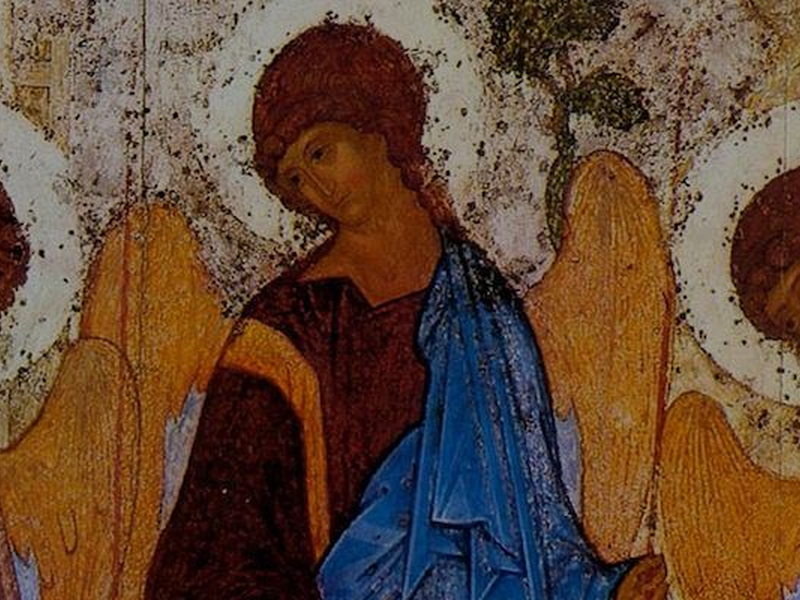
trinity-1-2
Trinity

Are the Divine Persons Persons?

The “personalist” understanding of the Trinity, articulated most influentially in the work of John Zizioulas, has fallen on hard times. Recent scholars have attacked Zizioulas’s idea that Cappadocian Trinitarianism represented an ontological revolution, hammering on the distinction between divine and human personhood. Michel Barnes’s conclusion is the most drastic of…

by Peter LeithartJune 16, 2016
img_4660-2
Architecture

On Biblical Theology

Biblical Theology is often defined as the historical unfolding of God’s revelation, or of God’s revelation and of the history of his covenantal redemption and transformation of humanity and the world. In practice, Biblical Theology is usually broader than this, and also includes the study of literary structure and of…

by James B. JordanJune 14, 2016
laughing_statue_by_xxbobbiie-d5f0meh-2
Humor

Wise Laughter

We are made to be happy. Created to enter into the eternal joy of God, our whole being inclines to that end, but the fallen world has put forth barriers and by our own sin we bar ourselves from that endless delight, and death blinds us to that reality. Yet…

by Remy WilkinsJune 7, 2016
img_7664
Liturgy

Why Theopolis? Take Two

At the end of Revelation, John sees the heavenly city descending to earth. The city shines with the brilliance of God's glory, which lightens the nations, so that kings bring their glory to the city. This is not a vision of the final new heaven and new earth. It's a…

by Peter LeithartJune 2, 2016
trinity-1-2
Attributes of God

How Can We Talk About God?

“No one has ever seen God,” writes John (John 1:18). If this is the case, then how can we speak about God? Some people say we actually cannot. Or at least we cannot speak about God positively, i.e. who He is. We can only say who or what God is…

by Bogumil JarmulakMay 31, 2016

Showing page 130 of 309

See all
See all
Science

End of Modernity?

Iain Provan offers this comment in his Ecclesiastes commentary: “Modern people tend to view the movement of history, as far as human beings are concerned, as being from primeval swamp to divinity. The beginning was unpromising, but quite against expectation the forces of evolution have propelled us along, to a…

January 29, 2006

Eucharistic meditation, Fourth Epiphany

Ecclesiastes 12:1: Remember also your Creator in the days of your youth. Solomon ends Ecclesiastes, as we have seen, emphasizing again the brevity of life. Life is vapor, all is vapor, a vapor of vapors, most vaporous, superlatively vaporous. Solomon makes it clear at the end of the book that…

January 29, 2006

Baptismal meditation, Fourth Epiphany

Ecclesiastes 11:1: Cast your bread on the face of the waters, for you will find it after many days. We saw in this morning’s sermon Solomon’s image of casting bread on the water encourages a reckless faith, a willingness to act in spite of the risks. You don’t know whether…

January 29, 2006

Exhortation, Fourth Epiphany

What kind of guidance should we give our children? We often focus exclusively on all the things that they may not do. That is a perfectly sound approach, especially for younger children. After all, we worship and serve a God whose first words to newborn Israel were “Thou Shalt Not.”…

January 29, 2006
Philosophy

No dry light

Francis Bacon offered this wise caution, “The human understanding is no dry light but receives an infusion from the will and affections; whence proceed sciences which may be called ‘sciences as one would.’ For what a man had rather were true he more readily believes . . . . Numberless…

January 26, 2006

Notes on Freud

Some notes on Freud, mainly as background for discussion of Ernest Jones psycho-analytic treatment of Hamlet, largely based on Merold Westphal’s summary in Suspicion & Faith. FREUD AND SCIENCE Freud is an Enlightenment man who subverted the Enlightenment, an advocate of scientism whose theories rendered scientism impossible. He appears not…

January 26, 2006

Showing page 1892 of 2212

Browse by Category

In Medias Res

Your weekly digest for all things Theopolis.

Donate

Theopolis is nearly 100% donor-supported. Consider joining us on our mission.








