
Theopolis Logo

Writing

Explore our collection of theological essays, biblical studies, and reflections on faith and culture.

See all
cloister

Gatekeepers

1 Chronicles 9:1 seems to bring the genealogies of 1 Chronicles to an end. The Chronicler has recorded the genealogy of the human race from Adam, focusing on the descendants of Abraham through Jacob. Summing it all up, he says, “So all Israel was enrolled by genealogies; and behold, they…

by Peter LeithartJune 21, 2016
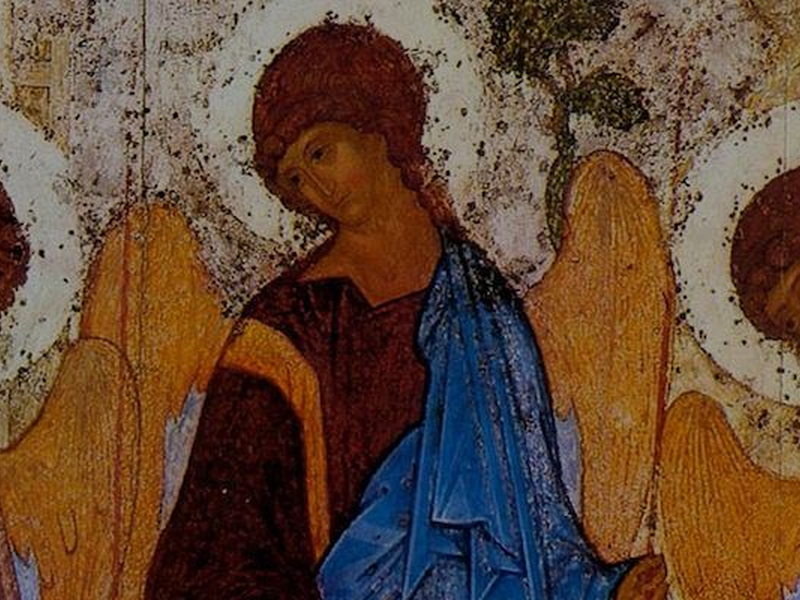
trinity-1-2
Trinity

Are the Divine Persons Persons?

The “personalist” understanding of the Trinity, articulated most influentially in the work of John Zizioulas, has fallen on hard times. Recent scholars have attacked Zizioulas’s idea that Cappadocian Trinitarianism represented an ontological revolution, hammering on the distinction between divine and human personhood. Michel Barnes’s conclusion is the most drastic of…

by Peter LeithartJune 16, 2016
img_4660-2
Architecture

On Biblical Theology

Biblical Theology is often defined as the historical unfolding of God’s revelation, or of God’s revelation and of the history of his covenantal redemption and transformation of humanity and the world. In practice, Biblical Theology is usually broader than this, and also includes the study of literary structure and of…

by James B. JordanJune 14, 2016
laughing_statue_by_xxbobbiie-d5f0meh-2
Humor

Wise Laughter

We are made to be happy. Created to enter into the eternal joy of God, our whole being inclines to that end, but the fallen world has put forth barriers and by our own sin we bar ourselves from that endless delight, and death blinds us to that reality. Yet…

by Remy WilkinsJune 7, 2016
img_7664
Liturgy

Why Theopolis? Take Two

At the end of Revelation, John sees the heavenly city descending to earth. The city shines with the brilliance of God's glory, which lightens the nations, so that kings bring their glory to the city. This is not a vision of the final new heaven and new earth. It's a…

by Peter LeithartJune 2, 2016
trinity-1-2
Attributes of God

How Can We Talk About God?

“No one has ever seen God,” writes John (John 1:18). If this is the case, then how can we speak about God? Some people say we actually cannot. Or at least we cannot speak about God positively, i.e. who He is. We can only say who or what God is…

by Bogumil JarmulakMay 31, 2016

Showing page 130 of 309

See all
See all

Culpable gloom

“Follow the ways of your heart and what your eyes see; and know that on account of all these, God will bring you into judgment.” The last part of this is often taken as a warning about the limits of joy and pleasure-taking. Seow thinks otherwise: “Human beings are supposed…

January 25, 2006

Calvinist Proof Text

Ecclesiastes 11:5 emphasizes the limitations of human knowledge by emphasizing that God works everything: “you do not know the works of God (ELOHIM) who does all (Y’SH ET-HAKOL).” There are two possible translations of the last relative clause: 1) “who does all.” If we go with this translation, we have…

January 25, 2006

Portions to eight

I saw a man hoarding his treaures, building bigger barns and stuffing his safety deposit boxes and worrying over his portfolio. Disaster struck, and he lost everything because he had everything to lose. He didn’t even have three comforters. I saw a man throwing around his money with abandon, emptying…

January 25, 2006

Bread on Waters

I saw a man with a bag of seed. He looked at the sky to discern the weather, and decided tomorrow would be a better day to plant. The next day, he invented instruments to test the humidity and to predict the wind, and decided that tomorrow would be a…

January 25, 2006

Historicist Reduction of Freud

As Jones presents it, the logic of repression of sexual desires is as follows: 1) The desires are most likely to be repressed are those that are socially disapproved, disapproved by the “herd.” 2) We unconsciously push back those disapproved desire. The imagery is hydraulic: Repressing disapproved desires creates pressure,…

January 25, 2006

What Psychology Taught Us

Ernest Jones notes an essential contribution of modern psychology: “We are beginning to see man not as the smooth, self-acting agent he pretends to be, but as he really is, a creature only dimly conscious of the various influences that mould his thought and action, and blindly resisting with all…

January 25, 2006

Showing page 1893 of 2212

Browse by Category

In Medias Res

Your weekly digest for all things Theopolis.

Donate

Theopolis is nearly 100% donor-supported. Consider joining us on our mission.








