Theopolis Logo

Writing

Explore our collection of theological essays, biblical studies, and reflections on faith and culture.

See all
cloister

Gatekeepers

1 Chronicles 9:1 seems to bring the genealogies of 1 Chronicles to an end. The Chronicler has recorded the genealogy of the human race from Adam, focusing on the descendants of Abraham through Jacob. Summing it all up, he says, “So all Israel was enrolled by genealogies; and behold, they…

by Peter LeithartJune 21, 2016
trinity-1-2
Trinity

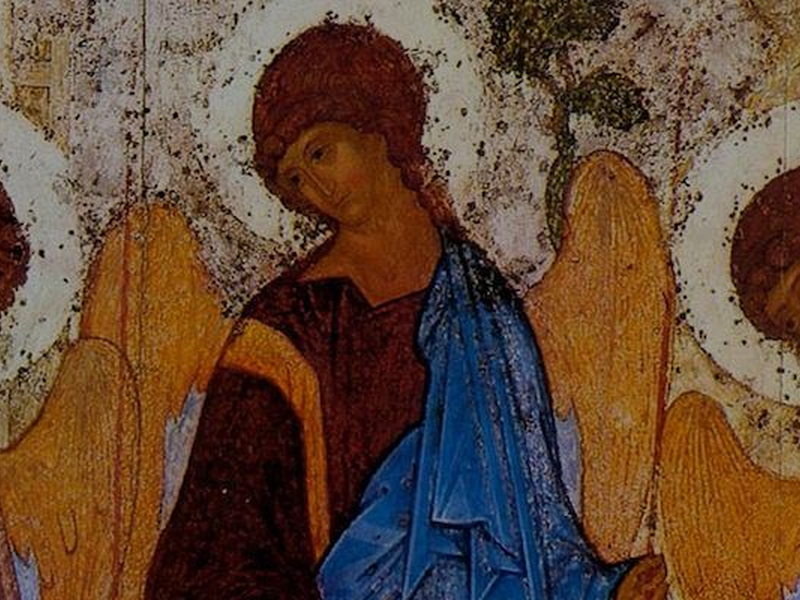
Are the Divine Persons Persons?

The “personalist” understanding of the Trinity, articulated most influentially in the work of John Zizioulas, has fallen on hard times. Recent scholars have attacked Zizioulas’s idea that Cappadocian Trinitarianism represented an ontological revolution, hammering on the distinction between divine and human personhood. Michel Barnes’s conclusion is the most drastic of…

by Peter LeithartJune 16, 2016
img_4660-2
Architecture

On Biblical Theology

Biblical Theology is often defined as the historical unfolding of God’s revelation, or of God’s revelation and of the history of his covenantal redemption and transformation of humanity and the world. In practice, Biblical Theology is usually broader than this, and also includes the study of literary structure and of…

by James B. JordanJune 14, 2016
laughing_statue_by_xxbobbiie-d5f0meh-2
Humor

Wise Laughter

We are made to be happy. Created to enter into the eternal joy of God, our whole being inclines to that end, but the fallen world has put forth barriers and by our own sin we bar ourselves from that endless delight, and death blinds us to that reality. Yet…

by Remy WilkinsJune 7, 2016
img_7664
Liturgy

Why Theopolis? Take Two

At the end of Revelation, John sees the heavenly city descending to earth. The city shines with the brilliance of God's glory, which lightens the nations, so that kings bring their glory to the city. This is not a vision of the final new heaven and new earth. It's a…

by Peter LeithartJune 2, 2016
trinity-1-2
Attributes of God

How Can We Talk About God?

“No one has ever seen God,” writes John (John 1:18). If this is the case, then how can we speak about God? Some people say we actually cannot. Or at least we cannot speak about God positively, i.e. who He is. We can only say who or what God is…

by Bogumil JarmulakMay 31, 2016

Showing page 130 of 309

See all
See all
History

Calvin’s Theocracy

Lindberg points out that “Calvin’s Protestant contemporaries did not view Geneva as a vengeful theocracy. Thousands of religious refugees flocked to Geneva from nearly every province in France, as well as from England, Scotland, Holland, Italy, Spain, Germany, Poland, and Bohemia. When they returned hom, they took Calvinism with them.”…

December 9, 2005
History

Monks and culture

Lindberg summarizes the important, if sometimes inadvertent, cultural contributions of monasticism: “Monastic culture was not limited to copying texts from the past, but also engaged in a variety of intellectual pursuits related to monastic life. These included maintaining a liturgical calendar; mathematics for managing estates; calculations for determining times of…

December 9, 2005
Theology

Typology of heresy

In his recent Brief History of Christianity , Carter Lindberg suggests that “orthodoxy is the language that preserves the promise character of the gospel, that salvation is received from God, not achieved by humans.” By contrast, “heresy is the language that in one way or another vitiates the promise of…

December 9, 2005

Eschatological Vindication

In his book on the work of Christ, Robert Letham has this neat summary of the relation of present to future justification: “faith has an eschatological side to it. Paul can say we are justified by faith (Rom. 5:1) but he can equally talk of our being saved in hope…

December 7, 2005
Literature

Shield of Aeneas

Philip Hardie argues that the shield of Aeneas in Virgil’s Aeneid makes significant use not only of the Homeric description of the shield of Achilles but of ancient allegorizations of Homer’s description: “The central feature of ancient exegesis is its insistence that the great circle of the Shield of Achilles,…

December 7, 2005
Philosophy

Aesthetics and counter-modern philosophy

Andrew Bowie’s *Aesthetics and subjectivity from Kant to Nietzsche* emphasizes the role of aesthetic theory in the development of post-Kantian notions of the subject. He points out that some philosophers challenged Cartesian and Kantian views by direct appeal to aesthetic experience: “these theories . . . regard the experience of…

December 6, 2005

Showing page 1915 of 2212

Browse by Category

In Medias Res

Your weekly digest for all things Theopolis.

Donate

Theopolis is nearly 100% donor-supported. Consider joining us on our mission.