
Theopolis Logo

Writing

Explore our collection of theological essays, biblical studies, and reflections on faith and culture.

See all
cloister

Gatekeepers

1 Chronicles 9:1 seems to bring the genealogies of 1 Chronicles to an end. The Chronicler has recorded the genealogy of the human race from Adam, focusing on the descendants of Abraham through Jacob. Summing it all up, he says, “So all Israel was enrolled by genealogies; and behold, they…

by Peter LeithartJune 21, 2016
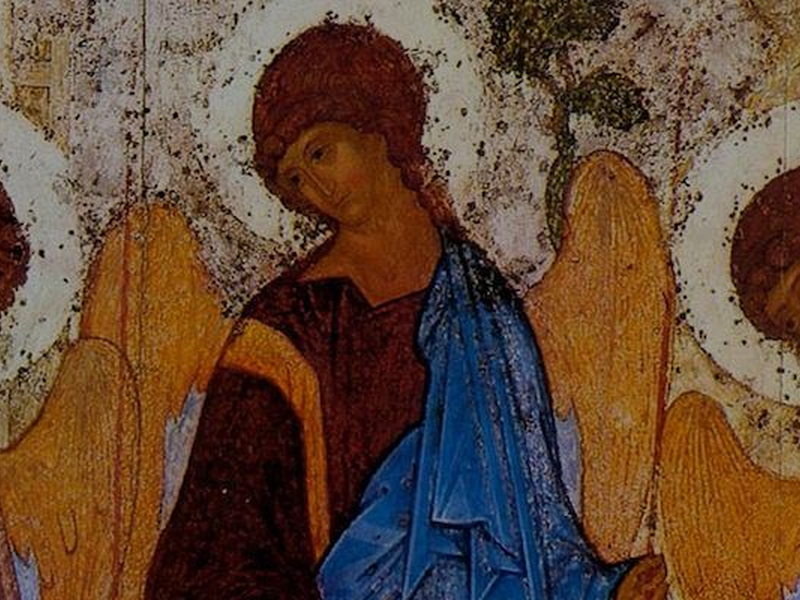
trinity-1-2
Trinity

Are the Divine Persons Persons?

The “personalist” understanding of the Trinity, articulated most influentially in the work of John Zizioulas, has fallen on hard times. Recent scholars have attacked Zizioulas’s idea that Cappadocian Trinitarianism represented an ontological revolution, hammering on the distinction between divine and human personhood. Michel Barnes’s conclusion is the most drastic of…

by Peter LeithartJune 16, 2016
img_4660-2
Architecture

On Biblical Theology

Biblical Theology is often defined as the historical unfolding of God’s revelation, or of God’s revelation and of the history of his covenantal redemption and transformation of humanity and the world. In practice, Biblical Theology is usually broader than this, and also includes the study of literary structure and of…

by James B. JordanJune 14, 2016
laughing_statue_by_xxbobbiie-d5f0meh-2
Humor

Wise Laughter

We are made to be happy. Created to enter into the eternal joy of God, our whole being inclines to that end, but the fallen world has put forth barriers and by our own sin we bar ourselves from that endless delight, and death blinds us to that reality. Yet…

by Remy WilkinsJune 7, 2016
img_7664
Liturgy

Why Theopolis? Take Two

At the end of Revelation, John sees the heavenly city descending to earth. The city shines with the brilliance of God's glory, which lightens the nations, so that kings bring their glory to the city. This is not a vision of the final new heaven and new earth. It's a…

by Peter LeithartJune 2, 2016
trinity-1-2
Attributes of God

How Can We Talk About God?

“No one has ever seen God,” writes John (John 1:18). If this is the case, then how can we speak about God? Some people say we actually cannot. Or at least we cannot speak about God positively, i.e. who He is. We can only say who or what God is…

by Bogumil JarmulakMay 31, 2016

Showing page 130 of 309

See all
See all
Theology

Riches for the world

David Klinghoffer argues in his Why the Jews Rejeced Jesus that pagan Europeans would not have embraced Jesus if the Jews had not rejected Him: “If you value the great achievements of Western civilization and of American society, thank the Jews for their decision to cleave to their ancestral religion…

November 13, 2005

Nation of Rebels

A few quotations from Joseph Heath and Andrew Potter’s Nation of Rebels , which are all the more revealing because they come from men decidedly on the left of the spectrum (though, in their terminology, they belong not to the “ameliorative” rather than the utopian “transformative” left). “Consumerism always seems…

November 13, 2005

More on coffee

Marcus Rench of Cary, North Carolina, sent along the following quotations from H. E. Jacob’s Coffee: The Epic of a Commodity . Note that all these quotations are about coffee , not today’s expensive imitations - which will remain unmentioned - that allow people who dislike coffee to hang out…

November 11, 2005

Coffee

Jules Michelet said: “Coffee, the sober drink, the mighty nourishment of the brain, which unlike other spirits, heightens purity and lucidity; coffee, which clears the clouds of the imagination and their gloomy weight; which illuminates the reality of things suddenly with the flash of truth.”

November 11, 2005

Division and reunion

Some notes for a disputatio talk on church unity. Thanks to Rusty Reno for clarification at several points. It is evident in the text, and it is evident in church history, that there is good and bad union and good and bad division. 1-2 Kings explores the first of these…

November 10, 2005

Disfigured Israel

By my count, there are twelve disfigurements listed in Leviticus 21:18-20 that disqualify a priest from serving at the altar and in the tabernacle: blind, lame, slit, deformed, broken foot, broken hand, hunchback, dwarf, defect of eye, eczema, scabs, crushed testicles. The listed disfigurements point to a disfigured Israel, twelve…

November 10, 2005

Showing page 1926 of 2212

Browse by Category

In Medias Res

Your weekly digest for all things Theopolis.

Donate

Theopolis is nearly 100% donor-supported. Consider joining us on our mission.








