Theopolis Logo

Writing

Explore our collection of theological essays, biblical studies, and reflections on faith and culture.

See all
31-03-0213
Hermeneutics

Apocalyptic Eyes

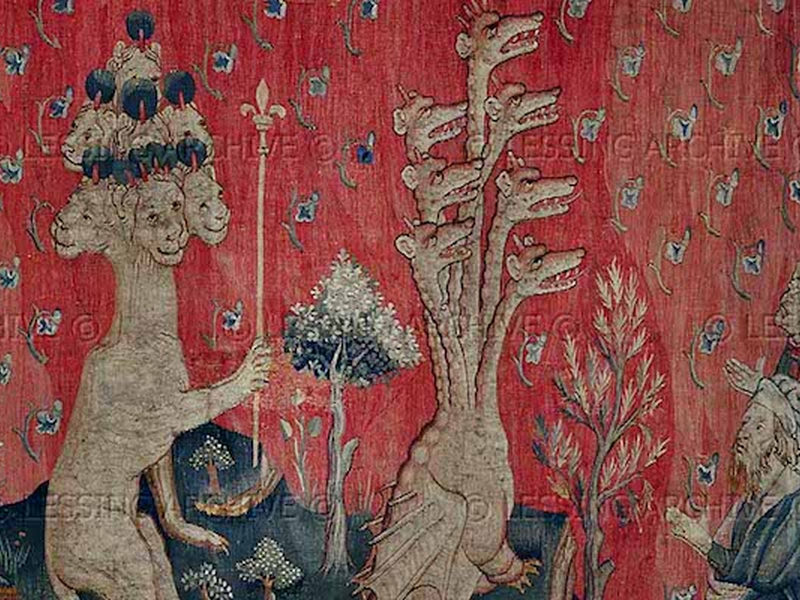
Flying scrolls. Red horses. Beasts coming out of the sea. Winged women. The list goes on. Apocalyptic literature in the Bible is like a cross between science fiction and Marvel comics. And the Bible has a fair bit of this sort of thing. Daniel sees visions in Babylon, Zechariah sees…

by Toby SumpterNovember 4, 2014

bhm-skyline-2
Theopolis News

New Name, New Look

Trinity House Institute has taken a new name, the Theopolis Institute. This striking new name expresses our unique vision and mission and captures the unified purpose behind all our specific programs and activities. We still have Bible, liturgy, and culture in our tagline. We still offer the same courses on…

by TheopolisNovember 4, 2014
istock_000012860926small
Atonement

Not Fearing the Devil

Adam Kotsko offers a socio-political variation on the Christus Victor atonement theory in his 2010 study, The Politics of Redemption: The Social Logic of Salvation . He does this by explaining "the devil" in terms of the Hegelian concept of "objective spirit," Geist . As Kotsko puts it, Geist "refers…

by Peter LeithartOctober 13, 2014
jez-timms-8muutamcwu4-unsplash
Leviticus

The Meaning of Sacrifice

Two factors keep Nahtali Meshel from discussing the meaning of sacrifice until late in his The "Grammar" of Sacrifice . The first has to do with the texts he draws from: "P says little about the meaning of its rituals" (174). The other has to do with the grammatical theory…

by Peter LeithartOctober 8, 2014
jez-timms-8muutamcwu4-unsplash
Leviticus

Praxemics

Chapter 5 of Naphtali Meshel's The "Grammar" of Sacrifice focuses on "praxemics," the physical actions of sacrificial ritual. Praxemes are constituted by six elements: an "atomact," an elementary physical act or gesture; an actor; an object that is acted up; a target for the action and often for the object…

by Peter LeithartOctober 6, 2014
markus-winkler-aid-xyrtlec-unsplash
Leviticus

Jugation and Hierarchy

Two chapters of Naphtali Meshel’s The “Grammar” of Sacrifice cover what he calls “jugation” and “hierarchies.” The first involves the addition of other materials to an animal offering. Jugates include wine, cereal, and oil that are added to the animals (zoemes) that are offered in sacrifice. Some jugates are coordinated…

by Peter LeithartOctober 1, 2014

Showing page 167 of 309

See all
See all

Nevin on the church

A couple of quotations from Hart’s biography of Nevin: “The force of the question in the end is nothing less than this, whether the original catholic doctrine concerning the Church, as it stood in universal authority through all ages before the Reformation, is to be received and held still as…

October 28, 2005

Calvinism and Chosenness

John Milbank’s opening essay in the recently-released Radical Orthodoxy and the Reformed Tradition (edited by James KA Smith and James Olthuis) is a challenging critique of Calvin and the Reformed tradition, one that I hope to interact with more in the future. One particularly striking passage had to do with…

October 28, 2005

Trickster God

Yahweh is the trickster God of 1-2 Kings. He tricks the Moabites into thinking that the three kings have slaughtered each other (2 Kings 3), and Israel rises from their camp and slaughters them. He tricks the Arameans in the opposite way: chasing them away from their camp so that…

October 28, 2005

Delayed Parousia

Why the delay of judgment throughout 1-2 Kings? Two reasons: First, judgment is passed, but Yahweh waits for the sin of the Amorites to come to completion, for sin to ripen to be utterly sinful. Second, Yahweh gives time for the declaration of judgment to work repentance among a remnant.…

October 28, 2005

Before kings, before prophets

Another aspect of the “satire” of royal power in 1-2 Kings comes out when we examine scenes of womena appealing for help before an authority. Early in Kings, women appeal to Kings and receive what they need (Bath-sheba and David; prostitutes and Solomon). Sheba is overwhelmed by Solomon’s kingdom. For…

October 27, 2005

Geography of Elijah and Elisha

Why does Yahweh send two prophets to the Omrides? Two witnesses no doubt. But their ministries are so similar in many respects; why double it? And what, if any, are the differences between them? One difference is geography. Elijah spends a good bit of the narrative on the far side…

October 27, 2005

Showing page 1931 of 2212

Browse by Category

In Medias Res

Your weekly digest for all things Theopolis.

Donate

Theopolis is nearly 100% donor-supported. Consider joining us on our mission.