Theopolis Logo

Writing

Explore our collection of theological essays, biblical studies, and reflections on faith and culture.

See all
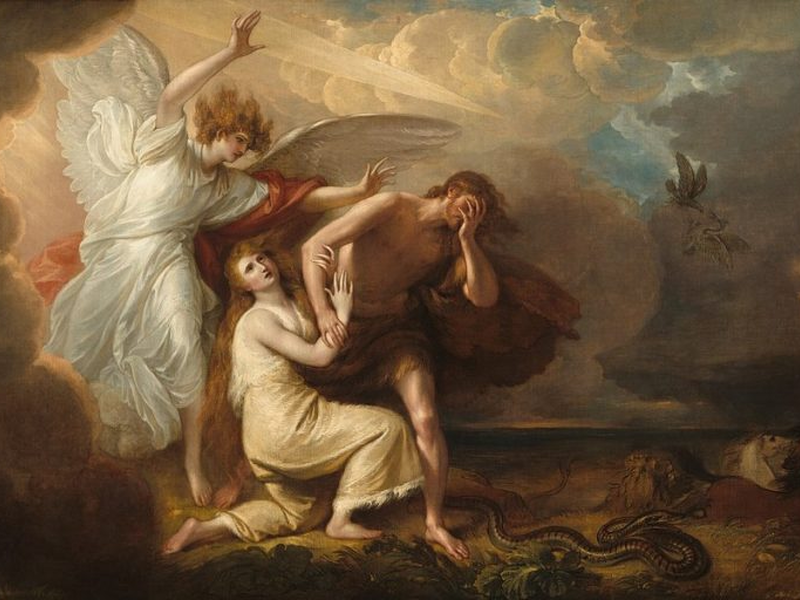
adam-and-eve-garden-768x512
Biblical Horizons

The Dominion Trap

In Genesis One, God told Adam and Eve to "be fruitful and multiply, and fill the earth, and subdue it; and rule over the fish of the sea and over the birds of the heavens, and over every living thing that moves on the earth" (Gen. 1:28). In Christian worldview…

by James B. JordanJuly 2, 1990

ivan-aleksic-16yxcjsoaek-unsplash
Biblical Studies

Building the Church

"And I also way to you that you are Peter, and upon this rock I will build My church; and the gates of Hades shall not overpower it" (Matthew 16:18). Matthew 16:13ff. has historically been one of the most oft-cited passages of Scripture. Throughout the Middle Ages, it was used…

by Peter LeithartJune 19, 1990
timothy-eberly-djj49s6ud2o-unsplash
Matthew

Ephraim in Redemptive History

One of the important themes of the synoptic gospels is Jesus’ rejection of Israel and the transfer of God’s favor to the New Israel, the Church. A clear statement of this theme is found in the parable of the vineyard owner in Matthew 21:33-46. Jesus explained the meaning of the…

by Peter LeithartJune 19, 1990
original
Biblical Horizons

Advice From a Sojourner, Part 7

11. There is a type of person [a generation] who curses his father, And does not bless his mother. 12. There is a type who is pure in his own eyes, Yet not washed from his filthiness [manure]. 13. There is a type — oh how lofty are his eyes!…

by James B. JordanJune 2, 1990
mick-haupt-eq2z9ay9wws-unsplash
Leviticus

A Male Without Defect

Under the Levitical law, whole-burnt offerings from the herd and flock had to be male. No such specification is made with respect to birds (cf. Lev. 5:7-10). Why did the Lord demand that only males be offered as whole-burnt offerings? The easy answer is that the whole-burnt offering typified Christ,…

by Peter LeithartMay 19, 1990
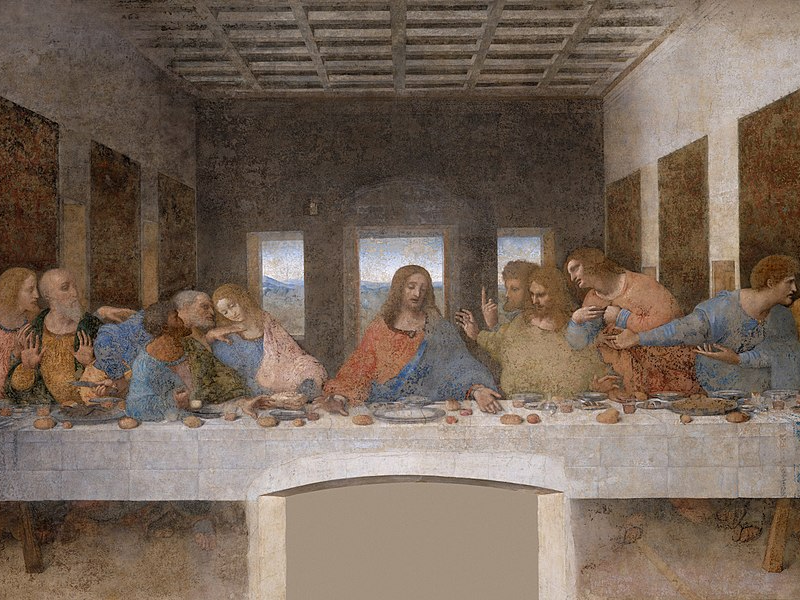
the_last_supper_-_leonardo_da_vinci_-_high_resolution_32x16
Matthew

He Shall Be Called A Nazarene

Matthew 2:13-23 has a tripartite structure, reporting briefly three events of the early years of Jesus’ life. Matthew ends his narrative of each event with a "fulfillment formula." Jesus’ flight to Egypt and His Exodus back into Israel was a fulfillment of Hosea’s words, "Out of Egypt I call my…

by Peter LeithartMay 19, 1990

Showing page 303 of 309

See all
See all

Jehoram and Elisha

The history of the Omrides during the ministry of Elisha takes a curious turn. Instead of confronting the king with his sin, as Elijah generally did, Elisha instead repeatedly gives assistance to the son of Ahab (2 Kings 3; 6-7). Jehoram wavers, sometimes whining, sometimes hostile to Elisha, ultimately respectful.…

October 27, 2005

New Joseph

Dothan is mentioned in only two places in the Old Testament: Gen 37, at the beginning of the Joseph narrative, and 2 Kings 6, the place where the Aramean king attempts to find Elisha. Jacob sends Joseph to take food to his brothers, and he initially does not find them…

October 27, 2005

Things that are not

Jacques Ellul helpfully points out that God frightens away the Arameans in 2 Kings 7 by a mere sound, and it is a sound that has no physical cause. God overcomes things that are, Ellul says, through things that are not.

October 27, 2005

Food in 1-2 Kings

A critical issue throughout 1-2 Kings is the question of who provides bread. Early on, it’s Solomon, whose table overflows with good things and who rules an Israel that is continuously rejoicing and feasting. Kings continue to supply tables after the division of the kingdom, but they are often tables…

October 27, 2005

Puns in 2 Kings 7

Iain Provan points to two entertaining puns in the story of the siege of Samaria in 2 Kings 6-7. The first puns on “lepers” (Heb. MISORAIM) and “Egypt” (Heb. MIZRAIM): The Arameans become frightened by the sound of an army, thinkin that Egyptians are attacking; it’s only lepers, though, scrounging…

October 27, 2005

Blood and life

In his recent Concordia commentary on Leviticus, John Kleinig gives a good summary of what I think is the best explanation of the blood prohibtiion of Lev 17: “many animists regard blood as the most potent of all ritual substances. The blood of an animal was either drunk or, more…

October 27, 2005

Showing page 1932 of 2212

Browse by Category

In Medias Res

Your weekly digest for all things Theopolis.

Donate

Theopolis is nearly 100% donor-supported. Consider joining us on our mission.