Theopolis Logo

Writing

Explore our collection of theological essays, biblical studies, and reflections on faith and culture.

See all
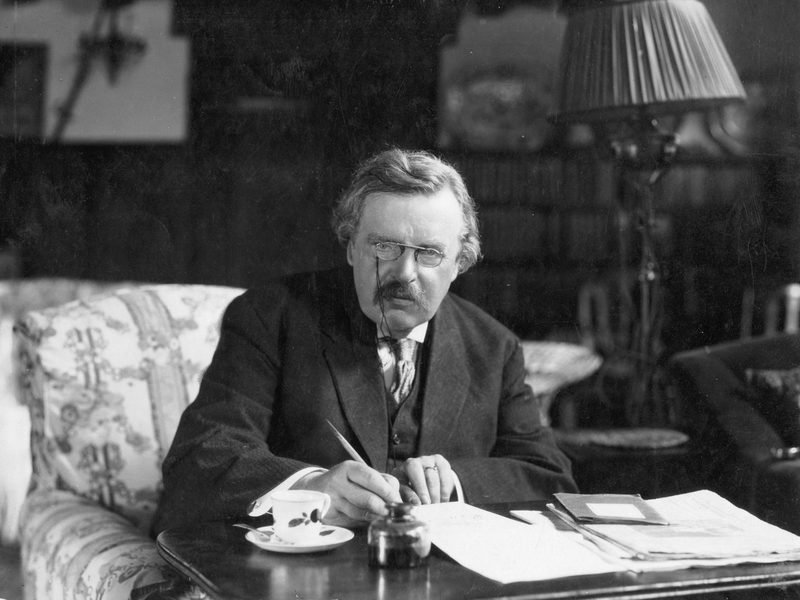
g-_k-_chesterton_at_work
Books

Interpreting "The Man Who Was Thursday"

I just finished re-reading G. K. Chesterton’s The Man Who Was Thursday . I have in the past had the temerity to say that I believe it to be the best novel of the 20th century. Be that as it may, I still maintain that it is at least one…

by Richard BledsoeJanuary 7, 2022
10779-istockgetty-images-plusredletterw
Hebrews

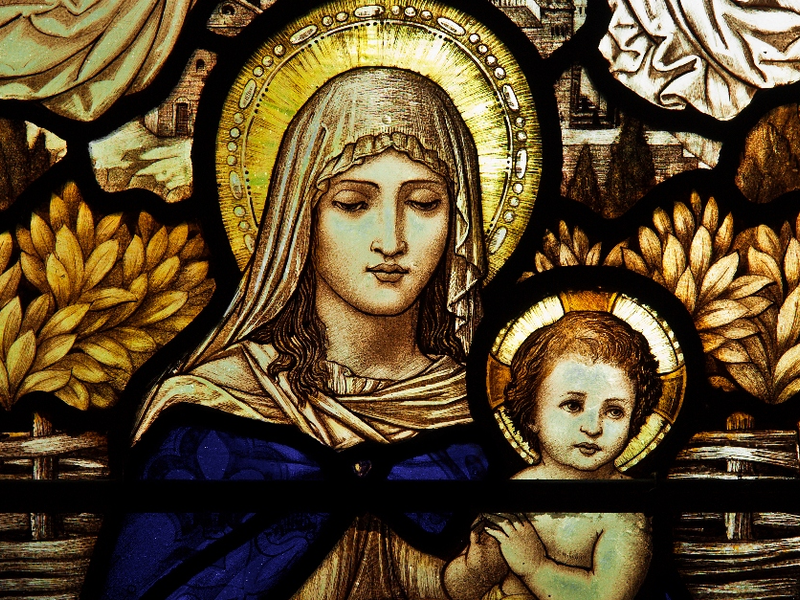
The Universality of Mary’s Wound

And Simeon blessed them and said to Mary his mother, “Behold, this child is set for the fall and rising of many in Israel, and for a sign that is spoken against and a sword will pierce through your own soul also, that thoughts out of many hearts may be…

by Garrett SoucyJanuary 4, 2022
heartierhymnals-stockimage
Music

An Argument for Heartier Hymnals

I was inspired to write this article after reading John Ahern’s The Case for Shorter Hymnals first published on Theopolis Institute’s website on November 16, 2021. Mr. Ahern and I are writing with different audiences and emphases in mind. I am thankful we both share a mutual desire to see…

by Jarrod RicheyDecember 30, 2021
tim-marshall-k2u71wv2ei4-unsplash-1
Biblical Studies

Image of God

If you’ve spent any time in the social-media galaxy of Christian cultural commentators, you have almost definitely run across the Latin phrase Imago Dei . It means image of God . Why they usually say it in Latin, I couldn’t tell you. We saw it in the wake of the…

by Daniel HoffmanDecember 28, 2021
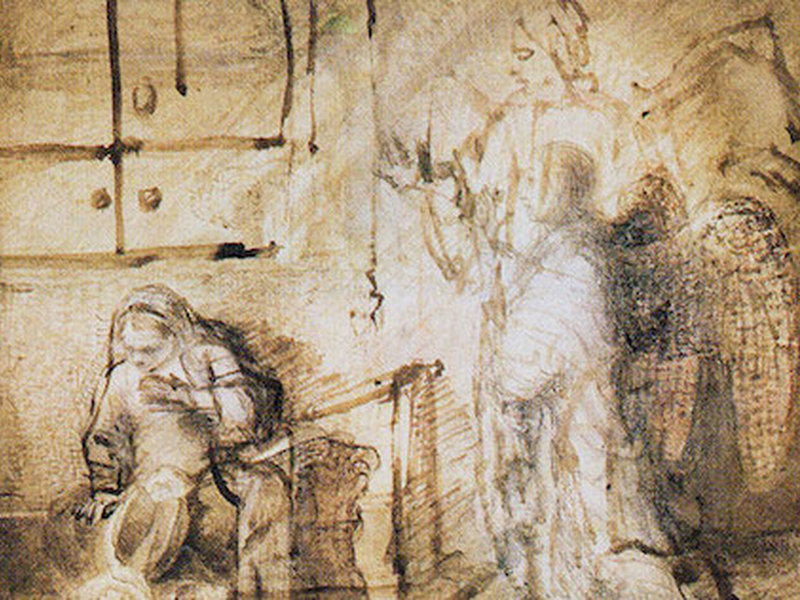
annunciation
Advent

He Comes to Make His Blessings Known: "Son of David" and "Son of Abraham" in Matthew 1:1

The Gospel of Matthew—indeed, the New Testament—begins with a list of names, and that list of names is introduced by this heading: “The book of the generations of Jesus Christ, the son of David, the son of Abraham.” Why start like this? Why “the son of David” and “the son…

by Josh JensenDecember 23, 2021
49980-nicolas_poussin_-_the_judgment_of_solomon_-_wga18330-800w-tn
Biblical Studies

On Not Needing to Cut the Baby in Half

A blade is raised. A child wails. But the brow under the crown is untroubled. Solomon knows that the raising of the sword will reveal the true parent and the identity of the son. But how did he know this? Abraham’s willingness to sacrifice Isaac certainly bears some of the…

by Jonathan WhiteDecember 21, 2021

Showing page 48 of 309

See all
See all

Ward on Covenant of Works

Early in Ward’s book, he surveys mid sixteenth-century treatments of the effects of Adam’s sin, mainly to determine whether writers of that period conceived of God’s relationship with Adam as a covenantal one. His evidence suggests several important conclusions: 1) The early Protestant confessions do not describe Adam’s relationship to…

June 23, 2004
Theology

Kline on Covenant of Works

In his very useful study, God & Adam: Reformed Theology and the Creation Covenant , Rowland S. Ward has this to say about Meredith Kline’s views on the un-gracious character of the covenant of works: “Contrary to his position in 1968, Kline does not wish now to admit any concept…

June 22, 2004
Theology

More Bad Taste

I should clarify my final, hurried comments on Brown’s discussion of sin and bad taste. I suggested at the end of the last post that Brown’s initial mapping of the problem contributes to an unsatisfying conclusion regarding moral and aesthetic judgment. Brown argues that taste is community-specific, and thus subject…

June 22, 2004
Theology

Sin and Bad Taste

One of the challenges of a Christian aesthetics is sorting through the connections and distinctions between holiness and good taste on the one hand, and sin and bad taste on the other. In his 1989 book, Religious Aesthetics , Frank Burch Brown offers some thoughtful reflections on this question. Here…

June 22, 2004
Theology

Don Richardson and Contextualization

Don Richardson’s Peace Child is a classic of modern mission writing. In that book, Richardson tells of his experience among the Sawi people of New Guinea, and how he used their traditional custom of exchanging a “peace child” between warring tribes to explain the gospel to them. In his 1981…

June 22, 2004

True and False Arks

When the men of Babel organize to build a tower reaching to heaven, they decide to use “tar for mortar” (Gen 11:3; NASB). The Hebrew phrase repeats two different forms of the same root word (CHMR): The word for “tar” is CHEMAR and the word for “mortar” is CHOMER. They…

June 22, 2004

Showing page 2080 of 2212

Browse by Category

In Medias Res

Your weekly digest for all things Theopolis.

Donate

Theopolis is nearly 100% donor-supported. Consider joining us on our mission.