Theopolis Logo

Writing

Explore our collection of theological essays, biblical studies, and reflections on faith and culture.

See all
medievalilluminatedmanuscript
Biblical Studies

The Art of Why

“We have a God who hides things because He loves to be sought out, chewed out and found out.” As Christians, we are rightly taught that we must not question God’s Word. The problem is that the Scriptures record many things which appear to have been given to us for…

by Mike BullMay 12, 2015
last-supper
Revelation

Eucharistic Harvest

The book of Revelation is a liturgy. John begins “in the Spirit” on the “Lord’s day” (1:10). Jesus appears, and Jesus tells him to record messages to seven churches, words of encouragement and rebuke, like the call to worship and confession at the beginning of a Christian liturgy. In chapter…

by Peter LeithartMay 7, 2015
sunrise-2
Creation

Maker of Heaven and Earth, (Part 5)

In my previous posts, I looked at the theme of creation as it is found in a sequence of psalms devoted to Yahweh’s Kingship (Psalms 93-100). Among other matters, these psalms declare that when the Kingdom of Israel’s God comes, it is the Kingdom of the world’s own Creator .…

by Stephen LongMay 7, 2015
13071-probablyvalentindeboulogne-saintpaulwritinghi-1
Deuteronomy

Paul the Levir

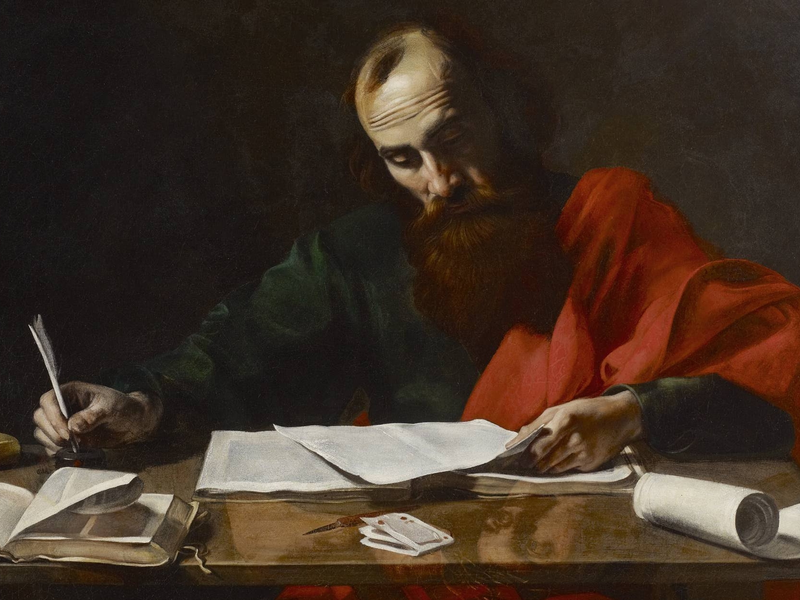
The church in Corinth was a pastoral nightmare. Factionalism, sexual immorality, incipient syncretism, using the church as a stage for self-promotion, and denial of the final resurrection were just some of the problems. In Paul’s first letter to the Corinthian church, he confronts each of these problems directly and in…

by Bill SmithMay 5, 2015
creation-eve
Covenant

Covenant Structure in Genesis 2

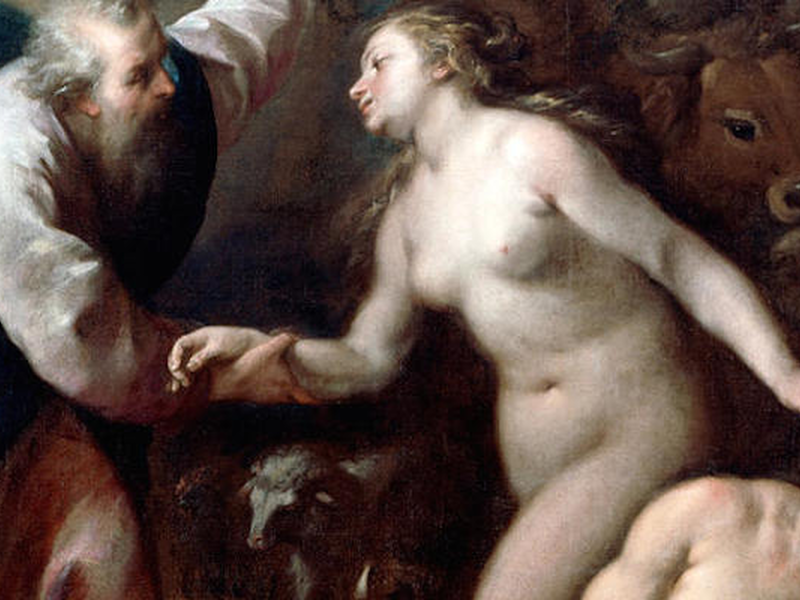
The first chapters of the Word of God have a poetic rhythm. This is used to discredit their accuracy as historical narrative, but the truth is that these same rhythms continue far beyond the book of Genesis. In fact, the later texts shed light on the frustratingly succinct account of…

by Mike BullApril 30, 2015
light-bulb
Creation

Must A Light Bulb Be "Oriented Toward Illumination"?

Mr. Martian: What’s that there? Mr. Edison: (Edison holds up a standard, 60 watt lightbulb). It’s a lightbulb. Mr. Martian: A “lightbulb” you say? What exactly is a “lightbulb”? Mr. Edison: A lightbulb is an object used to illuminate a dark area, say a room. It’s made primarily of filament…

by Gerald HiestandApril 28, 2015

Showing page 154 of 309

See all
See all

The Passion, Again

I’ve read some surprising things in The New Republic : Andrew Sullivan ‘s analysis of the Roman Catholic Church several years ago was very insightful, and Eugene Genovese , reviewing a book on Southern slavery, encouraged TNR ‘s readers to check out the works of James Henley Thornwell. But I’ve…

March 6, 2004

Air Travel

Air travel requires a reversion to infantile behavior, or at best to behavior characteristic of elementary school kids. You’ve got to stay in the seat, you can’t go to the bathroom without permission from the captain or the flight attendant, you’re served packaged food (if at all) in pouches. How…

March 6, 2004
Literature

Merchant of Veniceas Allegory

Watching the closing courtroom scene of The Merchant of Venice , I was struck by how allegorical it is. First, there’s Antonio, threatened with death for a debt that really was incurred by Bassanio. Second, he’s threatened by a Jew. Third, Shylock says something like “his blood be on my…

March 6, 2004

Foolishness of God

Does the “foolishness of God” carry the connotation of “God playing the fool”? As in, God the jester? Is Paul saying that God the jester is wiser than the sages?

March 4, 2004
Literature

Walter Scott, Again

Further reflection on Scott: His anti-romanticism, as I suggested, is a common theme in early novel-writing. Defoe furnishes another example. Robinson Crusoe is warned by his father against running off to sea and seeking adventure, but Robin is unwilling to settle down to a boring middle-class life. Of course, when…

March 4, 2004
Theology

The Antiquity of Moses

The church fathers went to great lengths to prove that Moses was both more antique than Greek sages, and also to show that the Greek sages were dependent on Moses. While historically plausible, these efforts a form of Christian apologetics done within the confines of pagan thought. The assumption is…

March 4, 2004

Showing page 2114 of 2212

Browse by Category

In Medias Res

Your weekly digest for all things Theopolis.

Donate

Theopolis is nearly 100% donor-supported. Consider joining us on our mission.