Theopolis Logo

Writing

Explore our collection of theological essays, biblical studies, and reflections on faith and culture.

See all
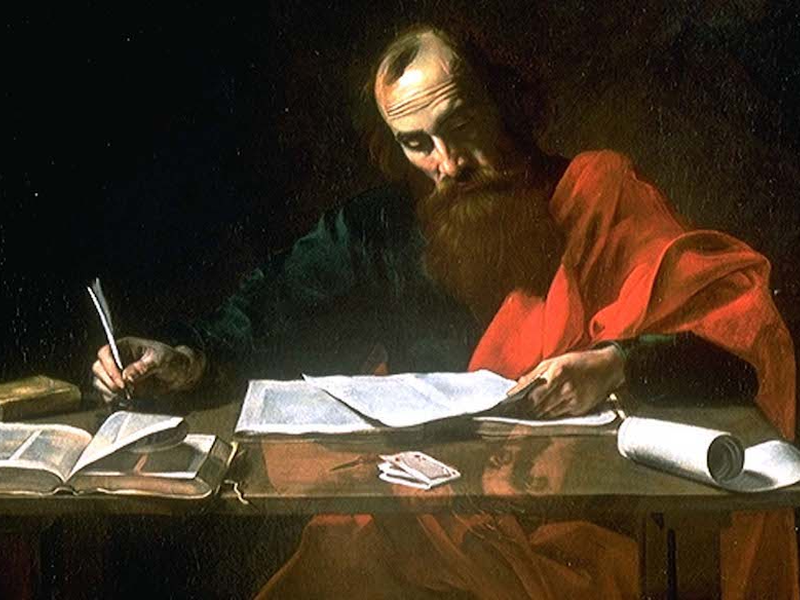
paul-2
Romans

Notes on Scary Stuff in Romans 9

What shall we say then? Is there injustice on God’s part? By no means! For he says to Moses, “I will have mercy on whom I have mercy, and I will have compassion on whom I have compassion.” So then it depends not on human will or exertion, but on…

by Mark HorneFebruary 5, 2015
lunch-counter
American Politics

Covenants of Exclusion

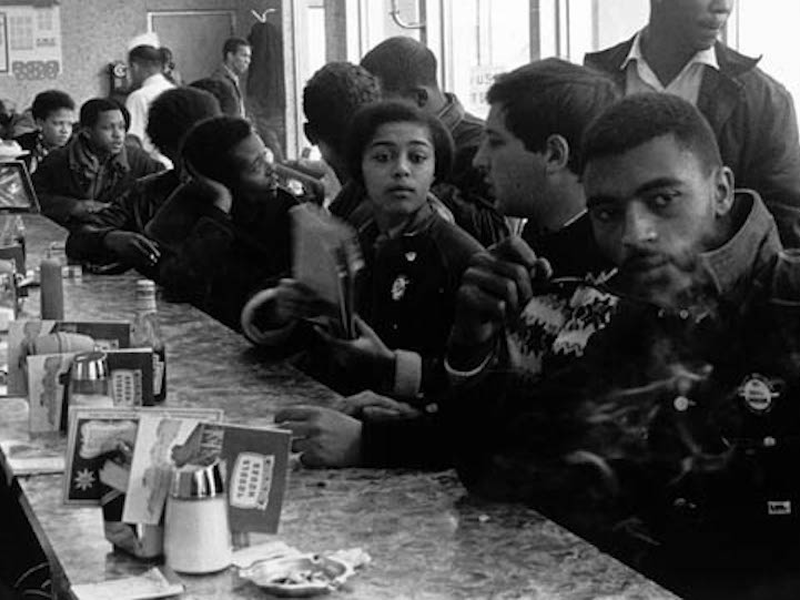
A hundred years ago, William Warley signed a contract to buy a house in Louisville, Kentucky from Charles Buchanan, a white man. Before closing the sale, Warley, who was black, learned that the lot was subject to a city ordinance barring blacks from occupying the premises if most of the…

by Brendan O'DonnellFebruary 3, 2015
shakespeare-2
Literature

The Bard and the Book

I concluded the first essay on this topic by saying that I would introduce three books about Shakespeare and the Bible, but I decided to introduce four instead. The three books become four are: Naseeb Shaheen, Biblical References in Shakespeare’s Plays (London: Associated University Presses, 1999) ; Hannibal Hamlin, The…

by Ralph Allan SmithJanuary 29, 2015
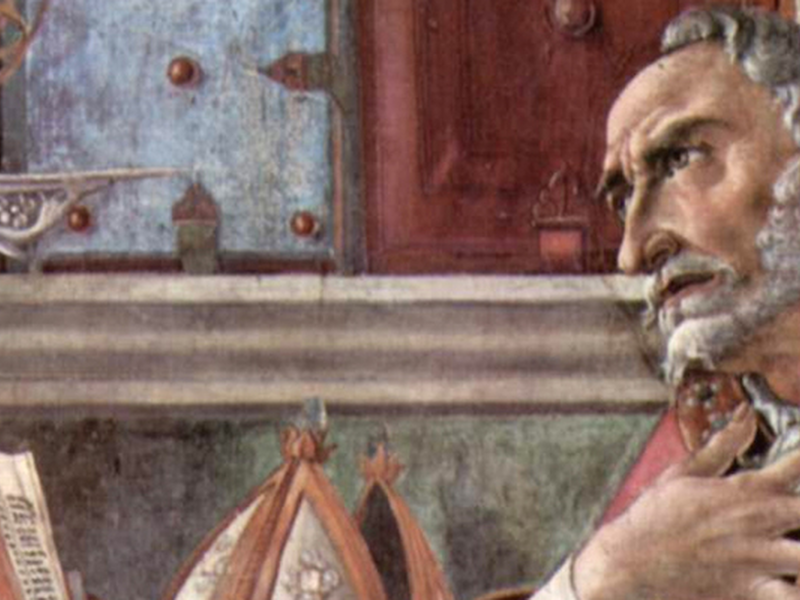
augustine-2
Augustine

Augustine on Pagan Virtue

My children attend a classical Christian school, situated in the independent “free church” evangelical tradition. Over the past few years they have been growing in their acquaintance with the world of Homer, Plato, Virgil, and Livy. They enjoy it, and I envy it. The school is a great school. My…

by Gerald HiestandJanuary 27, 2015
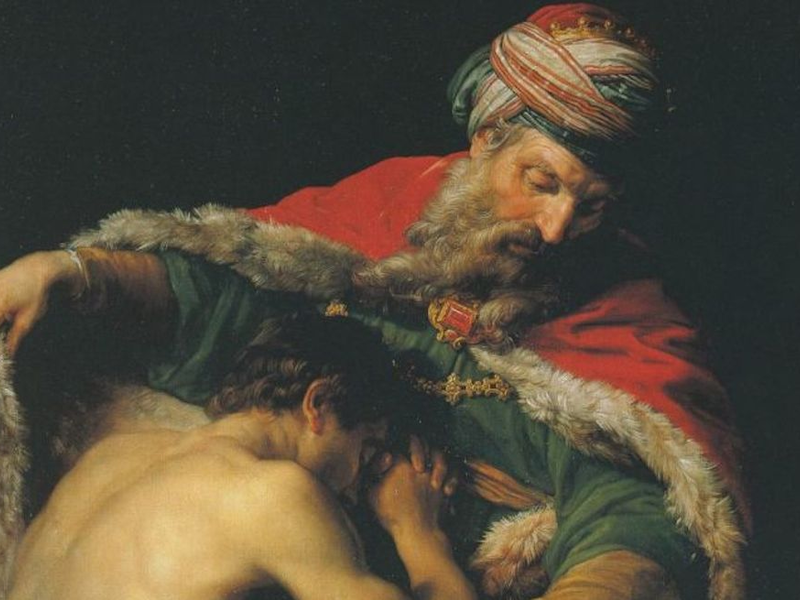
prodigal-son
Atonement

The Prodigal and the Cross

The Prodigal Son parable (Luke 15) has been a favorite of liberal theologians for a couple of centuries. It seems to be a parable designed for liberal sensibilities: An indulgent, accepting Father; forgiveness extended without a cross; a surly older brother who might represent the "conservative" face of religion who…

by Peter LeithartJanuary 22, 2015
sky-from-bridge
Ascension

Underground Man, Ascended Man

“I want now to tell you, gentlemen, whether you care to hear it or not, why I could not even become an insect. I tell you solemnly, that I have many times tried to become an insect. But I was not equal even to that. I swear, gentlemen, that to…

by Richard BledsoeJanuary 20, 2015

Showing page 161 of 309

See all
See all

Preflood Generation (Luke 17:27)

Jesus describes the activities of the unsuspecting preflood generation by listing four activities (Lk 17:27): eating and drinking marrying and giving in marriage. He then describes the activities of the unsuspecting residents of Sodom by listing six activities (Lk 17:28): eating and drinking buying and selling planting and building. Several…

January 26, 2004
Media

James Welch

There’s an intriguing review of the work of James Welch in the January 26 Weekly Standard . Welch, who died last year, was a Montana-based poet and novelist, known as an “Indian poet” and “Indian novelist” for his focus on the lives and history of American Indians. The interest of…

January 26, 2004

Exhortation, January 25

Exhortation for January 25: Jesus concluded the parable of the “unjust steward” by saying, “He who is faithful in a very little thing is faithful also in much; and he who is unrighteous in a very little thing is unrighteous also in much.” Though Jesus’ words have a particular application…

January 25, 2004

Eucharistic Meditation, January 25

Eucharistic meditation for January 25: Acts 2:41-47 In the book of Acts, we see the early church carrying out Jesus’ instructions regarding the proper use of wealth. After the Spirit was poured out on Pentecost, and 3000 were saved, the disciples begin to sell their possessions in order to share…

January 25, 2004

Baptismal Meditation, January 25

Baptismal meditation for January 25: Matthew 18:1-6 This passage in Matthew is parallel to the first part of Matthew 17 in our sermon text. As I mentioned in the sermon, Jesus’ reference to “little ones” in Luke 17 is not referring to little children, but to lowly people like Lazarus.…

January 25, 2004

Civilization and Orifices

Becoming civilized is a matter of gaining control over the body, and this bodily control is largely centered, as Mary Douglas recognized, on orifices. Infants have no control over their sphincters: They can’t hold urine or faeces, they fart and burp at inappropriate moments, they regurgitate milk and don’t care…

January 25, 2004

Showing page 2132 of 2212

Browse by Category

In Medias Res

Your weekly digest for all things Theopolis.

Donate

Theopolis is nearly 100% donor-supported. Consider joining us on our mission.