
Theopolis Logo

Writing

Explore our collection of theological essays, biblical studies, and reflections on faith and culture.

See all
2001_a_space_odyssey_1-970x545
Biblical Horizons

2001: A Space Odyssey

In the November 1993 issue of Open Book Peter Leithart commented briefly on gnosticism. The film 2001 is a great specimen of gnosticism, and is worth viewing as a Sunday School project for an adult class. The author of the basic story was Arthur C. Clarke, an old-school science fiction…

by James B. JordanJanuary 6, 1994
alfred-hitchcock
Biblical Horizons

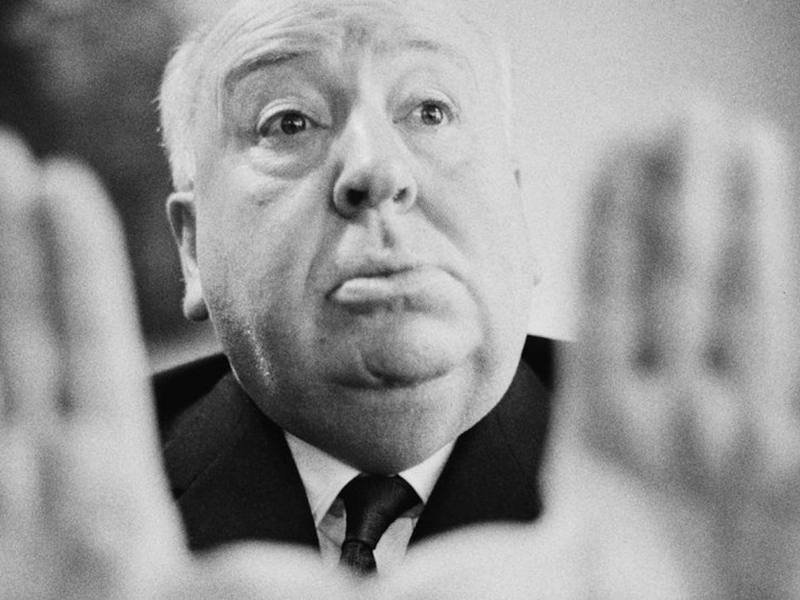
Two Films by Alfred Hitchcock

Alfred Hitchcock’s earlier movies display a strongly moral, even Christian, point of view, and certainly can be enjoyed by Christian viewers. His later works, such as Psycho , The Birds , and his television series, are not as clearly moral in tone. In these later efforts, Hitchcock brought humorous or…

by James B. JordanJanuary 6, 1994

david-weber-fwuo_zluhnw-unsplash
Leviticus

Cult and Communication

“What art thou, thou idol ceremony?” asked Henry V during his midnight rounds of the English camp near Agincourt. His answer was that ceremony was both nothing and everything. It was nothing in the sense that it offered no guarantee that the king would be fit for office. Contrary to…

by Peter LeithartDecember 20, 1993
screenshot-2023-07-27-at-10-25-35-am
Biblical Studies

Which Sacred Writings?

You, however, continue in the things you have learned and become convinced of, knowing from whom you have learned them; and that from childhood you have known the sacred writings which are able to give you the wisdom that leads to salvation through faith which is in Christ Jesus. All…

by Peter LeithartDecember 20, 1993
daniel-day-media-bzkf1nk-vpq-unsplash
Biblical Horizons

The Production of the New Testament Canon: A Revisionist Suggestion

My research has led me to the conviction that there are three major periods of Biblical history, which lead to a fourth. These are the Ages of the Father, the Word, and the Spirit. The First Age, that of the Father, is recorded in the book of Genesis. It focuses…

by James B. JordanDecember 6, 1993
Exodus

Egypt in Biblical History

Both Bible history and the current consensus chronology of the ancient world are tied up intimately with Egyptian history and chronology. Thus, as we broaden Biblical Chronology beyond the matter of adding up numbers and try to integrate Biblical chronology with the ancient world, the place to start would seem…

by James B. JordanDecember 6, 1993

Showing page 282 of 309

See all
See all

Augustinian Optimism and Modern Science

P eter Harrison points out in his The Fall of Man and the Foundations of Science (10–11) that the Reformation coincided with the rediscovery of ancient skepticism. While the Reformers were undermining traditional Catholic sources of authority from one side, Montaigne and others were corroding certainty from the other. Descartes…

December 12, 2016

Apocalypse Preserved

Karl Shuve's contribution to Apocalypses in Context traces the Christian use of Jewish apocalyptic, especially of the Book of the Watchers from 1 Enoch, which even makes it into the universal canon of the New Testament (Jude). The Watcher story appears in Justin, who “blames ‘every evil' on the Watcher…

December 9, 2016

Constructing Modernity

Thomas Fabisiak wonders, What does the New Jerusalem have to do with modernity? ( Apocalypses in Context ). Ask most modern philosophers, and the answer will be, Not much. Fabisiak speaks of the “'rhetorical construction' of modernity” that takes the form of a dismissal or expulsion of apocalyptic and all…

December 9, 2016

Chess and Soviet Man

In a 2011 New Yorker profile of Norwegian chess champion Magnus Carlsen, D.T. Max digresses to explain the logic behind the Soviet interest in chess: “Lenin, an enthusiastic player, made the game a priority for the new nation. In 1920, Alexander Ilyin-Zhenevsky, a commissar of Soviet chess, wrote that chess,…

December 9, 2016

Erotics of Reading

In the middle stanzas of “Erotikos Logos,” watching someone else reading, Scott Cairns ( Slow Pilgrim , 278) writes, “So much, of course, depends upon your own willingness to find something worthy here, even as you bring - as you must - something worthy to the effort. So much of…

December 9, 2016

From Polemic to Propaganda

Andrew Pettegree ( Reformation and the Culture of Persuasion ) observes a shift in rhetorical tone in Protestant-Catholic debates between the early and mid sixteenth century: “While much of the polemical writing of Luther’s day was rumbustious in tone, making liberal use of ridicule and ad hominem attacks, it still…

December 9, 2016

Showing page 224 of 2212

Browse by Category

In Medias Res

Your weekly digest for all things Theopolis.

Donate

Theopolis is nearly 100% donor-supported. Consider joining us on our mission.