Theopolis Logo

Writing

Explore our collection of theological essays, biblical studies, and reflections on faith and culture.

See all
img_1456
Epistemology

Seeking Integration in a Fragmented World: Covenant Epistemology: The Integrative Regard of the Other

Fragmentation characterizes our era. Bits, bytes, chips, data points. Ourselves as reducible to the meaningless. We can feel dehumanized and lost. We seek wholeness, integration. We rightly believe that integration brings meaningfulness, somehow doing better credit to ourselves as humans and to the world. More than that, integration somehow aligns…

by Esther Lightcap MeekJune 5, 2018

hebrew-manuscript-2
Proverbs

The Dramatic Structure of Proverbs

The book of Proverbs appears as a largely random collection of aphorisms drawn from experience saturated in law. Despite its random arrangement, however, the book does have an over-arching structure that reinforces its main themes. One way to gather clues regarding the structure of a biblical book (or any book)…

by Peter LeithartMay 31, 2018
infant-baptism
Baptism

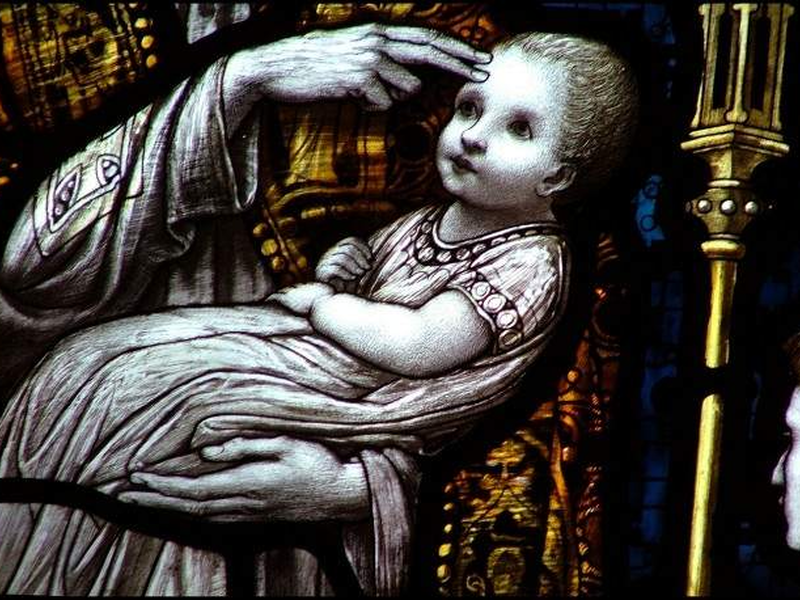
Infant Baptism in the History of the Church

Ancient practice in the Church sets an important precedent for present day practice. This certainly doesn’t mean that Christians are bound to only do things as they have always been done, but the principles of catholicity and unity move us not to break from historic church practice on a particular…

by Timothy LeCroyMay 29, 2018
tower-of-babel
Biblical Studies

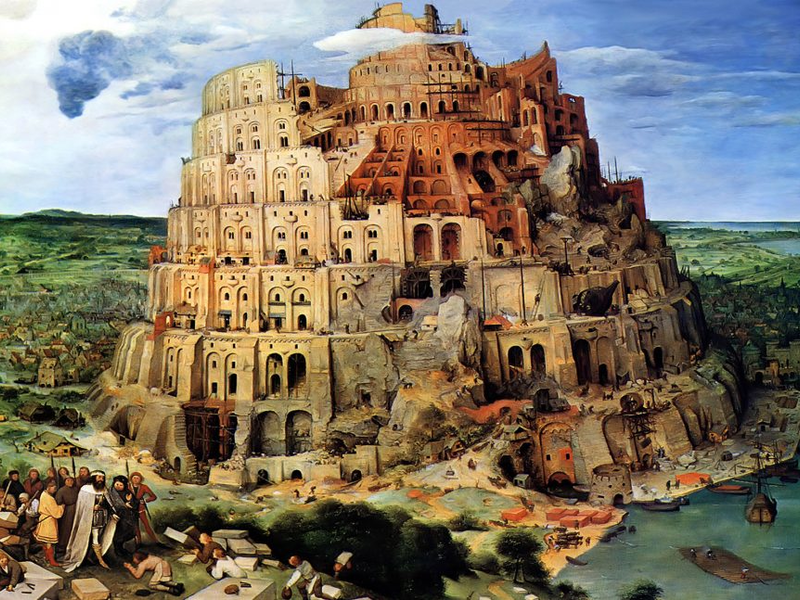
Babel Academy, Part 2

For Part 1, click HERE . Genesis 1 describes the creation of the physical order. Genesis 2 recapitulates the pattern of Genesis 1 as it describes the creation of the social order. Genesis 3 describes the intended founding of an ethical order. It was here that sin entered into the…

by Mike BullMay 24, 2018
babelhead
Biblical Studies

Babel Academy, Part 1

The Business of Keeping the Saints in the Dark Let there be light! The first recorded “spoken” words of God. Curiously, even this creative decree was a deed whose fruit required an appraisal. God judged the light and separated it from the darkness. As the cardinal act within a newborn…

by Mike BullMay 22, 2018
markus-winkler-aid-xyrtlec-unsplash
Course Announcement

A Week with Esther Meek - An Introduction to Covenant Epistemology

We are very pleased to announce that Esther Lightcap Meek will be the instructor for our 2018 Trinity Course in August. The course is titled "Loving to Know: Introducing Covenant Epistemology" and will be held August 13-17 at Beeson Divinity School. Esther Meek, Ph.D., is Professor of Philosophy at Geneva…

by TheopolisMay 21, 2018

Showing page 93 of 309

See all
See all
Science

God or the Multiverse

Sheldrake ( The Science Delusion , 10-12) explains why physicalism - the hope that physics will finally vindicate materialism - is doomed. One reason is the “Cosmological Anthropic Principle,” which claims that “if the laws and constants of nature had been slightly different at the moment of the Big Bang,…

April 4, 2013
Science

Die to Live

During his PhD research, Rupert Sheldrake ( The Science Delusion , 1-2) made an original discovery about plant cells: “dying cells play a major part in the regulation of plant growth, releasing the plant hormone auxin as they break down in the process of ‘programmed cell death.’ Inside the growing…

April 4, 2013
History

Constantine and Constantinianism

Constantine permitted transfer of legal cases from civil to ecclesiastical courts, and also permitted ministers to manumit slaves. Both, Potter says ( Constantine the Emperor , 181 ), were steps that effectively turned clergy into civic authorities. On the first decision, Potter notes that “The main problem with Constantine’s decision,…

April 3, 2013
History

Turning point

TD Barnes has vigorously contested popular ideas of the Edict of Milan: It was not issued in Milan and didn’t affect Italy; it didn’t legalize Christianity, which was already legal; it was not an edict. This can leave the impression that the declaration of Licinius on June 13, 313 was…

April 3, 2013
History

What Did Constantine Do?

Potter ( Constantine the Emperor , 95) asks what Constantine was doing during the great persecution. His answers are speculative; we don’t and can’t know for sure, since Constantine’s feelings and thoughts were never recorded. But it is a worthwhile speculation: “He was a visible member of the court; many…

April 3, 2013
History

Burkhardt redux

David Potter’s Constantine the Emperor has many virtues. Potter is hugely well-informed about Roman history, and is able to place Constantine in his context like few others. His discussion of Diocletian’s “interventionist” policy (his Price Edict and his edicts regarding Christianity) is superb, as is his sense of the limits…

April 3, 2013

Showing page 760 of 2212

Browse by Category

In Medias Res

Your weekly digest for all things Theopolis.

Donate

Theopolis is nearly 100% donor-supported. Consider joining us on our mission.