Theopolis Logo

Writing

Explore our collection of theological essays, biblical studies, and reflections on faith and culture.

See all
timothy-eberly-djj49s6ud2o-unsplash
Biblical Studies

Whom Shall We Believe? Evangelicals and Scholarship

As we move into the Persian period of ancient history, and try to reconcile it with Daniel’s prophecies, we need to ask some hard questions about the interpretation of the data before us. One question concerns the reliability of the Biblical witness, and beyond that a second question concerns the…

by James B. JordanJanuary 30, 1991
a2-118606403-jpg
Biblical Horizons

Understanding Russia

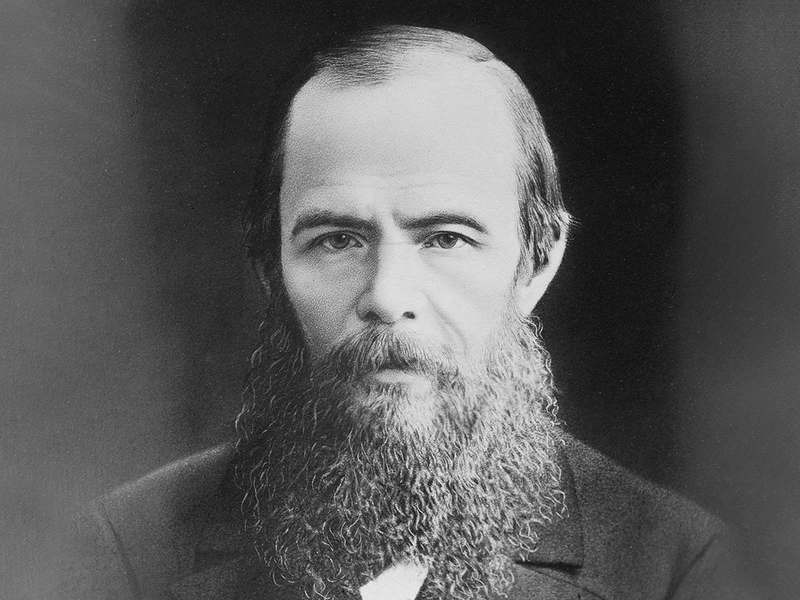
Ewa Majewska Thompson: Understanding Russia: The Holy Fool in Russian Culture Ewa M. Thompson is Professor and Chairman of the Department of German and Slavic Studies at Rice University. In this seminal study, she investigates the concept of the "holy fool" as it exists in Russian culture and civilization. While…

by James B. JordanJanuary 30, 1991
alfons-morales-ylswjsy7stw-unsplash-1
Biblical Studies

The Bible and Western Literature

The most cursory glance at the history of Western literature reveals that it has been deeply influenced by the Bible. Some of the greatest classics of Western literature draw their plots, characters, and ideas largely from Scripture; Dante’s Divine Comedy and Milton’s Paradise Lost are two of the most notable…

by Peter LeithartJanuary 23, 1991
screen-shot-2022-04-28-at-4-57-36-pm
Exodus

The Beautiful Child

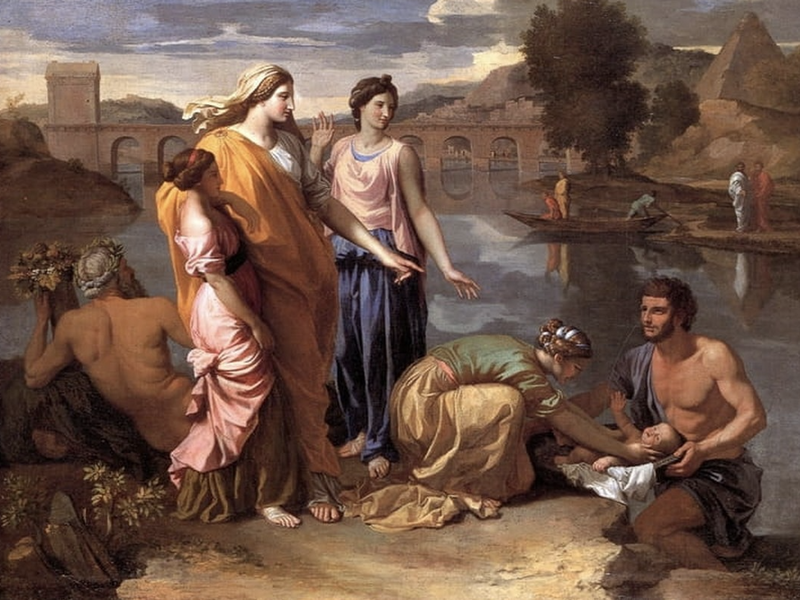
Each time the Scriptures recount the story of Moses’ birth and deliverance from Pharaoh, reference is made to two facts about that event. First, each text points out that Moses was "beautiful." Second, each text points out that Amram and Jochebed, his parents, hid him for three months (cf. Ex.…

by Peter LeithartJanuary 23, 1991
501819ld-2
Romans

Who Rules the Land? The Meaning of the Noahic Covenant, Part 2

Click HERE for Part 1. The Message of the Covenant Can we really say that the saints presently rule the world, and always have since Noah? Look around and you can see that the wicked rule in virtually every country on earth. There are wicked civilizations that rise Babelically age…

by James B. JordanDecember 30, 1990
hebrew-manuscript-6
Hermeneutics

Daniel’s 70 Weeks

As we saw last time , we have come to the place in the study of Biblical chronology where it seems that we are forced to abandon the Bible itself as our primary source of information. If we assume that the seventy sevens of Daniel 9:24-27 are in fact weeks…

by James B. JordanDecember 23, 1990

Showing page 300 of 309

See all
See all

At the breast

The Torah never mentions breasts as an object of erotic fascination; they are solely nourishment for infants. In the wisdom literature, things are different. Solomon encourages young men to delight in the breasts of their wives - not of another, a strange woman (Proverbs 5) -, and in the Song…

February 14, 2013

Uncontained beauty

Solomon describes the beauty of his beloved in a neat and symmetrical poem in Song of Songs 7:1-6. Framed by “how beautiful you are” (vv. 1, 6), the poem describes ten features of her body. He starts with her feet and his gaze makes its way up. The ten features…

February 14, 2013
Literature

Books and Covers

The old adage applies in spades to the covers of Pride and Prejudice sampled in the NYTBR . Don’t judge the book by any of these covers, especially the Lady Godiva, the Twilight knock-off, and the “smokin’ bad boy Darcy” ones.

February 14, 2013

Concealed technology

Technology promises to accomplish the same things that have always been done more efficiently. Borgmann is skeptical ( Technology and the Character of Contemporary Life: A Philosophical Inquiry ) (45-46), and he summarizes George Sturt’s The Wheelwright’s Shop (Craftsman) to explain the notion of the “concealment” of technology, the fact…

February 14, 2013

Devices and Machinery

In his Technology and the Character of Contemporary Life: A Philosophical Inquiry , Albert Borgmann makes a crucial distinction between a technical device and its machinery. This is “a specific instance of the means-ends distinction” (43), the machinery being the means by which the device becomes useful to its user.…

February 14, 2013
Uncategorized

Literary Names

Claude Rawson’s review of Alastair Fowler’s Literary Names: Personal Names in English Literature focuses on names used to mock and deride. Swift, for instance, “attached enormous importance to naming and not being named (a characteristic Fowler incidentally identifies with Milton’s fallen angels). Swift scrupulously marked with an ‘X; every reference…

February 14, 2013

Showing page 795 of 2212

Browse by Category

In Medias Res

Your weekly digest for all things Theopolis.

Donate

Theopolis is nearly 100% donor-supported. Consider joining us on our mission.