Theopolis Logo

Writing

Explore our collection of theological essays, biblical studies, and reflections on faith and culture.

See all
e99a9334
Advent

Stretching Christmas

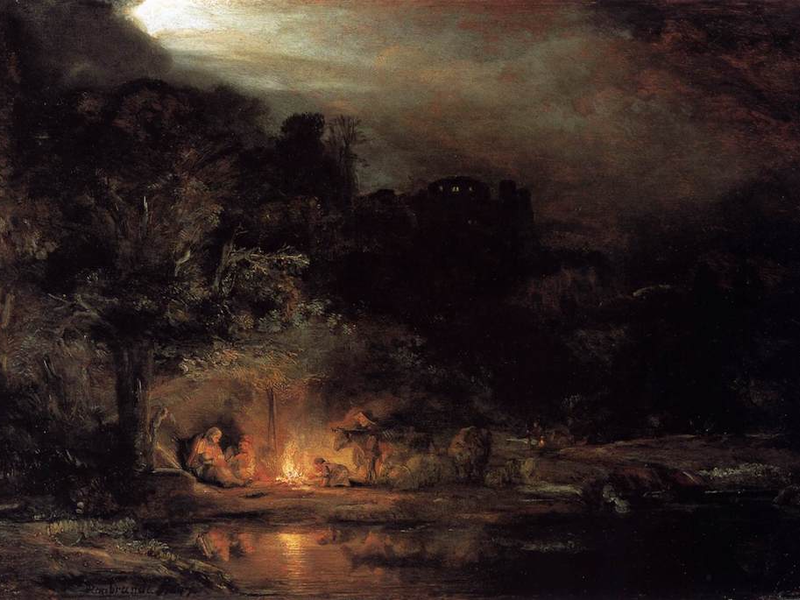
For many people Christmas comes on December 25 and is over December 26. The tree is taken down along with the lights and the other decorations, and everyone begins setting the house in order for the new year. No more Christmas hymns. No more celebrations (well, until New Year’s Eve).…

by Steve WilkinsDecember 24, 2016
ascension
Advent

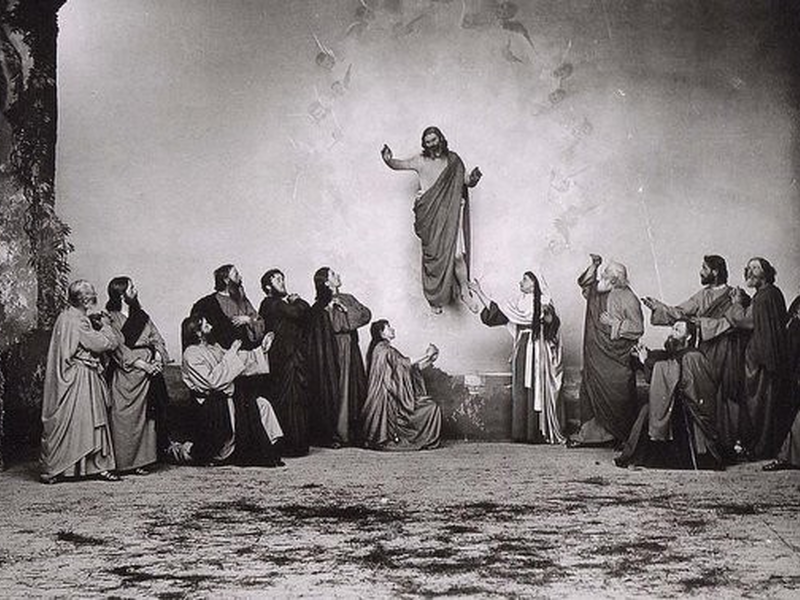
Ascension and Incarnation

The Ascension and the Incarnation should not be disconnected in our Christmas thinking or celebrations. As N.T. Wright notes, the ascension is "a central and vital feature without which all sorts of other things start to go demonstrably wrong. . . . where the ascension has been ignored or misunderstood,…

by Roy AtwoodDecember 23, 2016
nativity-rembrandt
Advent

Christmas Light

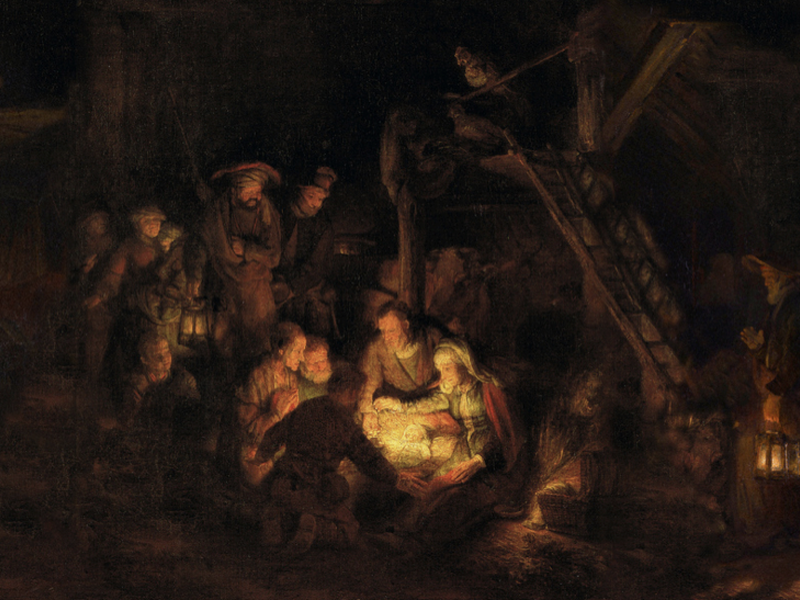
“In the Word was life, and the life was the light of men. And the light shines in the darkness.” Thus John describes the incarnation of the Son. He comes as the living and life-giving light of the world. That’s good news. In the beginning, God spoke and light shone…

by Peter LeithartDecember 23, 2016
nativity-chagall
Advent

The Spirit of Christmas

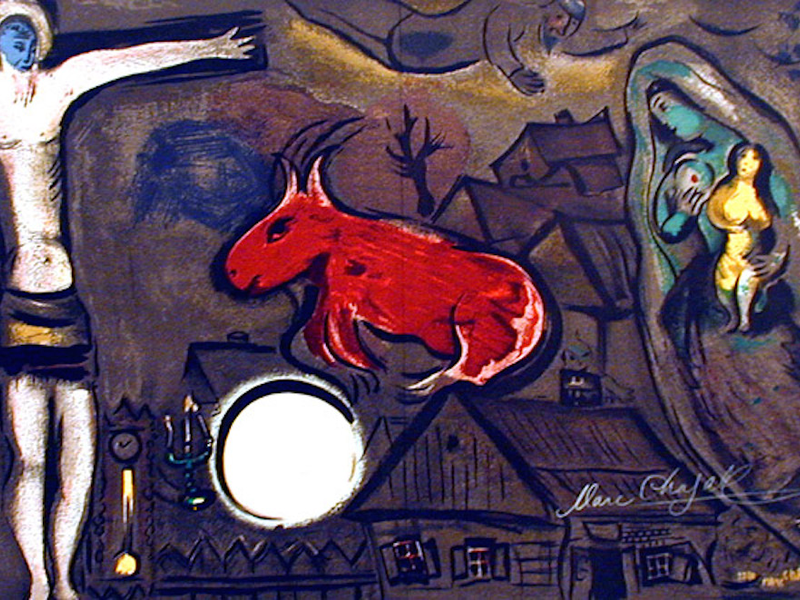
Christmas is all about Jesus. The angels announce Jesus’ birth, shepherds and wise men come to see Jesus, Herod wants to kill Jesus. We occasionally think of the Father who sent the Son, but we keep returning to the Son made flesh in Bethlehem’s manger. Meanwhile, as always, the Spirit…

by Peter LeithartDecember 22, 2016
nativity
Advent

The Humility of God

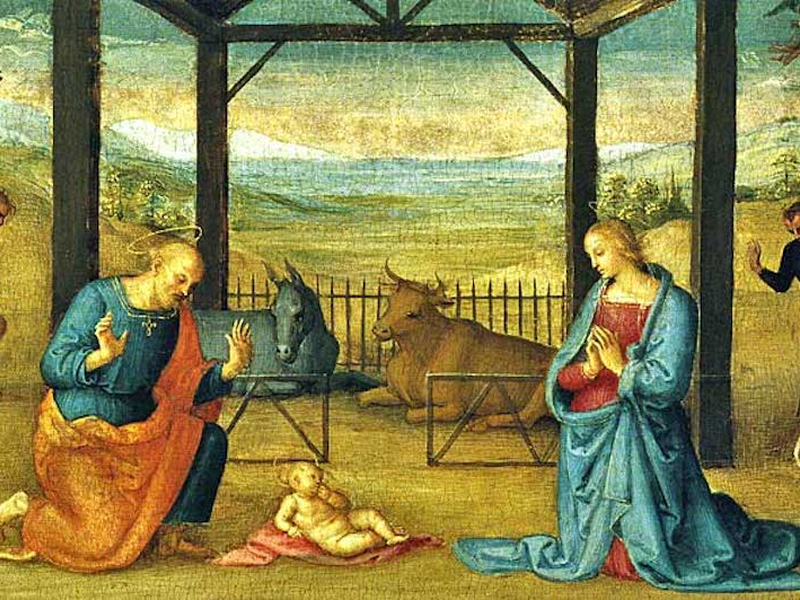
Christmas is about many things, but one of the chief things revealed in the gospel of Christmas is the humility of God. We don't often think of humility as an attribute of God. If God is glorious and exalted, we think, He must be haughty and proud and self-centered. We…

by Peter LeithartDecember 21, 2016
screenshot-2025-12-15-at-8-35-45-am
Advent

Advent of Unity

John famously begins his Gospel with a piece of theology: “In the beginning was the Word, and the Word was with God, and the Word was God.” Matthew starts with a genealogy. John celebrates Advent with a hymn, Matthew with a list. For John, Jesus is the Word of creation…

by Peter LeithartDecember 20, 2016

Showing page 120 of 309

See all
See all

Economics and Work

Modernity, especially as theorized in modern economics, treats work as "instrumental to the acquisition of goods" (Stephen Marglin, The Dismal Science , 44). Modernity "closes off thinking of hard work as something other than drudgery" (43). As a counterpoint, Marglin calls attention to work in Amish communities: "In physical terms,…

March 23, 2018

Greater Father?

"The Father is greater than I," says Jesus (John 14:28). Eunomius uses this to prove the ontological interiority of the Son. Basil of Caesarea rejects that reading, of course. But his way of rejecting it is worth attending to. He doesn't claim that Jesus is talking about His inferiority as…

March 23, 2018

Secularization Theory As Contestant

Ian Hunter argues that "secularization" as "transition from divine reverencing to rational autonomy" didn't happen during the centuries after Reformation. Confessional Christianity didn't disappear but was more deeply entrenched during that time. "Secular" referred not to the imposition or incursion of rational atheism but to the formation of purely political…

March 22, 2018

Simplicity’s Not So Simple

Is God simple? Christian theologians from the Cappadocians to Aquinas and beyond said Yes. But we need to probe this consensus: Did they mean the same thing by saying Yes? Andrew Radde-Gallwitz says No ( Basil of Caesarea, Gregory of Nyssa, and the Transformation of Divine Simplicity ). What is…

March 22, 2018

Confessionalization v. Secularization

In a debunking paper on "secularization" and the "secular," Ian Hunter argues that "nobody in early modernity spoke of secularization in terms of a transition from divine reverencing to rational autonomy, but also that there is no evidence of such a transition taking place there and, further, that there is…

March 21, 2018

Disdain for Lesser Talent

Richard Spady's eye-opening piece in First Things examines the consequences that follow when economics becomes an ideology, that is, when economics "will­fully projects its own first principles on its subject matter and actively seeks, perhaps unconsciously, material changes to bring social realities into conformity with these first principles." He offers…

March 20, 2018

Showing page 84 of 2212

Browse by Category

In Medias Res

Your weekly digest for all things Theopolis.

Donate

Theopolis is nearly 100% donor-supported. Consider joining us on our mission.