Theopolis Logo

Writing

Explore our collection of theological essays, biblical studies, and reflections on faith and culture.

See all
screen-shot-2023-05-02-at-1-14-25-pm
Poetry

Seed-bearing Fruit

Ten-thousand ‘yeses’ and a single ‘no.’ From bough it dangles, beauty to the eyes, For belly, food, a fruit to make one wise. Too soon, they eat; they know; the leaves they sew, But, oh! the Love who asks, “Where did you go?” Confessions flow from under leaf’s disguise; A…

by Marc HaysAugust 16, 2023
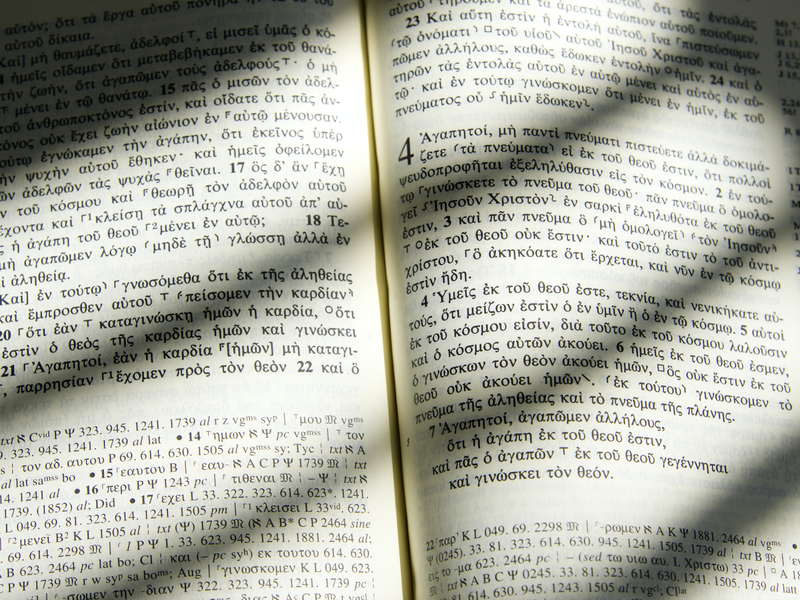
screenshot-2023-08-15-at-8-22-28-am
Augustine

Eternal Life Chiasm in John's Gospel

In his masterful work, De Doctrina Christiana , Augustine of Hippo writes: I would have learned men to know that the authors of our Scriptures use all those forms of expression which grammarians call by the Greek name tropes, and use them more freely and in greater variety than people…

by Doug PonderAugust 15, 2023
screenshot-2023-08-08-at-11-13-28-am
Ruth

Lot, Ruth, and the Work of New Creation

“In accordance with the creation pattern, God sovereignly took hold of Adam and put him to sleep. Then God divided Adam by removing flesh and bone from his side, and restructured humanity into male and female. When Adam awoke, God distributed the woman to him. Adam gazed upon her and…

by Josh JensenAugust 8, 2023
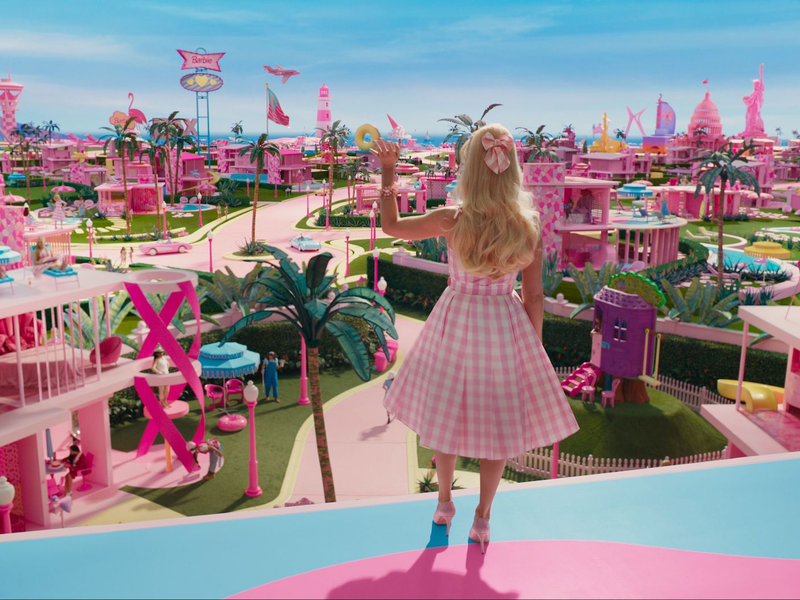
rev-1-barbie-tp-0002-high-res-jpeg-647e152f50df6-2
Culture

The Barbie Movie

Greta Gerwig’s new film, Barbie, has been criticized, probably rightly, for having too many ideas and layers to properly bring in any for a landing. Gerwig herself thought the script was so “ wild and anarchic ” that she was surprised WB agreed to make it. Many see it as…

by Robin HarrisAugust 1, 2023
mariam-soliman-ht5xmeulydg-unsplash-2
Matthew

Why Does John the Baptizer Look Like a Camel?

“Now John wore a garment of camel’s hair and a leather belt around his waist, and his food was locusts and wild honey” (Matt. 3:4). Why is John the Baptizer clothed with camel’s hair? Why does he want to look like a camel? Or at least: what does he expect…

by Jeff MeyersJuly 26, 2023
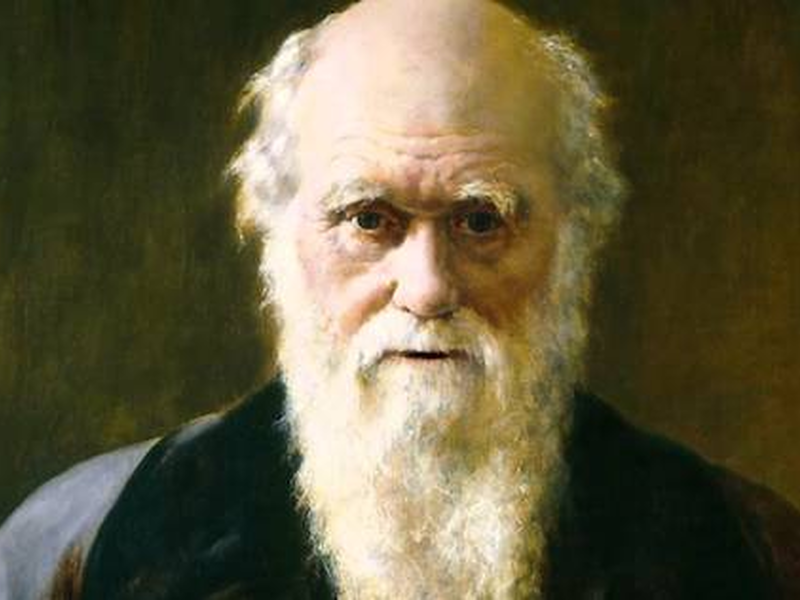
darwin
Literature

Stinking, Rotten Ministers of the Gospel

In the second greatest story ever told, The Brothers Karamazov , Fyodor Dostoyevsky tells the story of a family plagued by the lasting legacy of sin’s destructive power and the all-surpassing truth that God is Light and in Him is no darkness. The young protagonist, Alyosha, is a monk committed…

by Garrett SoucyJuly 18, 2023

Showing page 29 of 309

See all
See all

Adorned with Gentiles

Isaiah 49 is reassurance to Zion that Yahweh has not forgotten her. Her walls are continuously ( tamid ) before Yahweh, like the sacrifices and showbread (v. 16). And Yahweh goes beyond the assurance of His concern to promise that Zion will be surrounded by gathered people, returned exiles and…

November 2, 2012

Euphony in Isaiah 49

The Hebrew of Isaiah 49:17 is beautifully symmetrical. Transliterated, it reads: miharu banayik meharsayik umacharivayik mimmek yetze’u . The endings of the six words form a neat pattern: one - u followed by four words ending with the second person singular pronomial suffix ( k ), and then another -…

November 2, 2012

Wombs

The Hebrew word beten frequently means “womb” (Genesis 25:23; Number 5:22; Psalm 22:9-10; 71:6; Jeremiah 1:5). In a few instances, though, the word is used in unusual contexts. When Yahweh offers Ezekiel a scroll to eat, He orders him to eat it with his beten and to fill his “bowels”…

November 1, 2012

God Needs Nothing

God has no needs. Philo, Seneca, and classic Christian theology agree on that. But I think the explanation differs. Seneca ( On Benefits (The Complete Works of Lucius Annaeus Seneca) , bk. 4) explains that “God bestows upon us very many and very great benefits, with no thought of any…

November 1, 2012
History

Plagues and purity

The Christian conviction that Jesus had defeated the powers and brought an end to old rites had major effects on early Christian social engagement, Gary Ferngren implies in his 2009 Medicine and Health Care in Early Christianity . “Before the advent of Christianity,” he says, “there was no concept of…

November 1, 2012
Literature

Joyce, Synopticist

For all its reputation for iconoclasm, modernism, says Robert Alter in Canon and Creativity: Modern Writing and the Authority of Scripture (The Franz Rosenzweig Lecture Series) , is more accurately described as a “paradoxical amalgam of iconoclasm and hypertraditionalism” (p. 8). Alter’s book explores this phenomenon, along with the “double…

November 1, 2012

Showing page 854 of 2212

Browse by Category

In Medias Res

Your weekly digest for all things Theopolis.

Donate

Theopolis is nearly 100% donor-supported. Consider joining us on our mission.