Theopolis Logo

Writing

Explore our collection of theological essays, biblical studies, and reflections on faith and culture.

See all
trnava-university-beeyeib-am8-unsplash
Biblical Chronology

Meredith G. Kline Strikes Back, Part 2

In our first essay we looked at Kline’s flawed exegesis of Genesis 2:5 as it relates to Day 3 of creation. Now we turn to Kline’s new argument against a chronological reading of Genesis 1, as found, again, in "Space and Time in the Genesis Cosmogony," Perspectives on Science and…

by James B. JordanMarch 29, 1997
30211-bathsheba-800w-tn
Hermeneutics

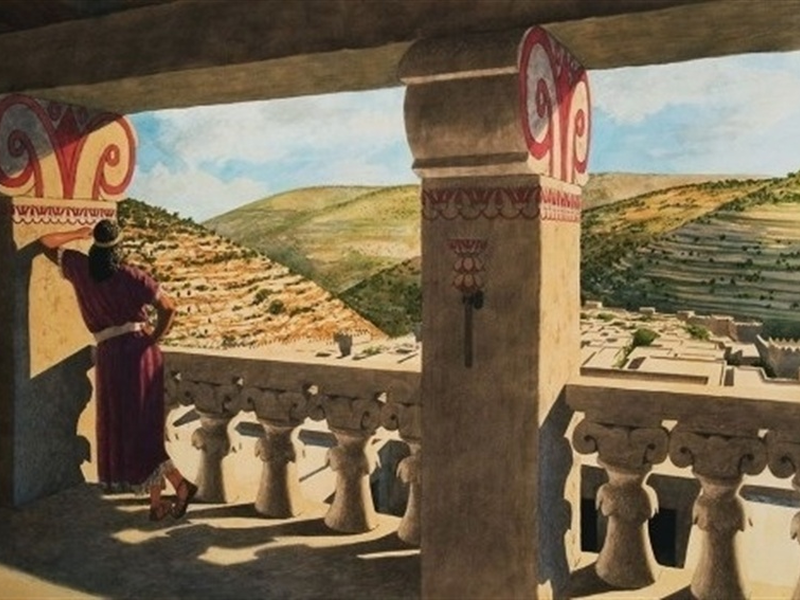
Bathsheba: The Real Story

One of the advantages of paying very close attention to the details in the Bible, especially chronological and genealogical details, is that they can shed light on situations that don’t seem to make much sense apart from them. One such situation is that of Bathsheba. It appears that Bathsheba willingly…

by James B. JordanMarch 28, 1997
jonathan-cooper-ygxq7hfdjzq-unsplash
Church Calendar

Is the Church Year Biblical? | A Parking Lot Parable

Once upon a time, Jeff Meyers and Tony Rollins–old friends who had not seen each other for a few years–met in the parking lot of a neighborhood church. They were dropping off their pre-school children at the church for Mother’s Day Out. They were such conscientious and helpful fathers. As…

by Jeff MeyersMarch 20, 1997
annie-spratt-upxf6to3fea-unsplash
Daniel

The Allegory of Susanna

Years ago, when I was at the briefly-existing Geneva Divinity School, I taught a course in the Apocrypha. One thing that struck me at that time is that two of the stories are almost certainly religious allegories (as well as moral tales): Judith and Susanna. Since "Susanna" means "Lily," this…

by James B. JordanFebruary 28, 1997
serafima-lazarenko-_ivuwprfczi-unsplash
Biblical Horizons

A Blossom of Yahweh’s Field

Peter’s essay inspires me to write up some similar thoughts about the flower of the field. Rightly does Peter associate the almond with Yahweh’s garden, because the Garden of Eden is symbolically positioned as parallel to the Holy Place of the Tabernacle and Temple. To wit: Since Aaron’s rod blossomed…

by James B. JordanFebruary 28, 1997
trnava-university-beeyeib-am8-unsplash
Biblical Chronology

Meredith G. Kline Strikes Back, Part 1

We have had occasion to discuss the views of Meredith G. Kline previously in these newsletters, and now it is time to do so again. Kline teaches at Gordon-Conwell Theological Seminary and also at the Westminster Theological Seminaries (Philadelphia and San Diego). He is the author of some interesting insights…

by James B. JordanFebruary 28, 1997

Showing page 259 of 309

See all

Showing page 30 of 43

See all

Darkness in 1 John

John uses the word “darkness” seven times in his first epistle. Assuming that he uses the imagery in the same way he does in the gospel, I surmise that the light/dark language of 1 John is about the conflicts of Judaism/Judaizers and the church. The first use (1:5) is a…

September 11, 2006

Darkness in John

John’s use of “dark” and “darkness” is often taken as a symbol of evil, dualistically related to the good that is symbolized by “light.” While his usage does sometimes stretch to this, the fundamental dualism is not moral but temporal. Dark is the period of day before dawn; light is…

September 11, 2006

Sermon outline

INTRODUCTION The main conflict of the early church was not with Greek philosophy or Roman power, but with those Jews who refused to acknowledge Jesus as Messiah and the Judaizers within the church who wanted to bring Gentiles under the Law. John’s first letter, like most books in the NT,…

September 11, 2006
Philosophy

Continental Philosophy

In his Oxford “very short introduction” to Continental philosophy, Simon Critchley suggests that Continental philosophy is “a professional self-description” and a “cultural feature.” The former is “a necessary - but perhaps transitory - evil of the professionalization of the disciple.” The latter is not so much a geographic conflict as…

September 11, 2006

Eucharistic meditation

1 Corinthians 11:29-30: He who eats and drinks, eats and drinks judgment to himself, if he does not judge the body rightly. For this reason many among you are weak and sick, and a number sleep. It would be nice if the enemies of God were all outside the church,…

September 10, 2006

Exhortation

What is the message of the imprecatory Psalms? That Christians have an excuse to be mean-spirited, vicious, and vengeful? That Christians should distribute curses and blessings in equal measure? That Christians get to be macho and talk tough? No. The main message of the imprecatory Psalms is the message of…

September 10, 2006

Showing page 1796 of 2212

Browse by Category

In Medias Res

Your weekly digest for all things Theopolis.

Donate

Theopolis is nearly 100% donor-supported. Consider joining us on our mission.