Theopolis Logo

Writing

Explore our collection of theological essays, biblical studies, and reflections on faith and culture.

See all
screenshot-2024-06-06-at-8-49-49-am
Biblical Theology

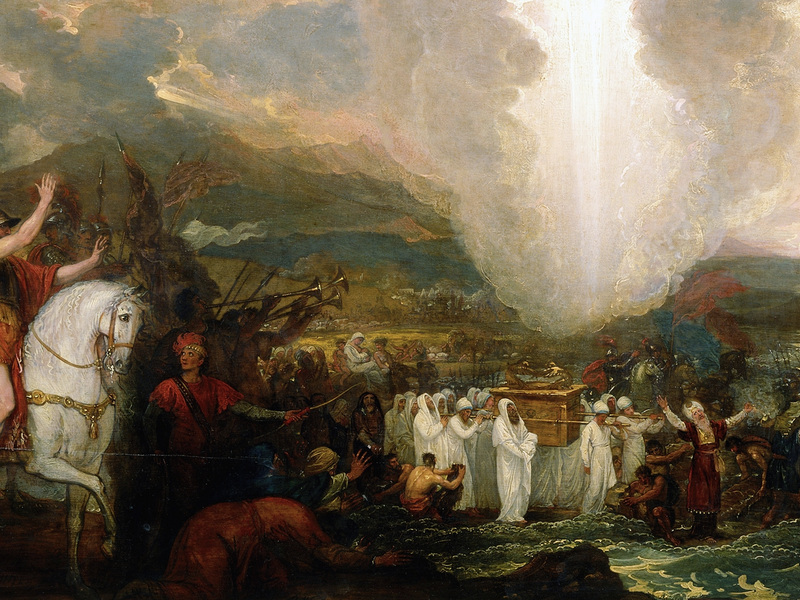
Incarnation, Church, & the New Heart

“And it shall be in those days when you are multiplied and increased in the land,” declares the Lord, “they shall say no more, ‘The Ark of the Covenant of the Lord.’ And it shall not come to mind, nor shall they remember it, nor shall they miss it, nor…

by Mark HorneJune 6, 2004
e99a4713
Grace

Grace & Justice in Unexpected Places

Elsewhere, I have argued that there is grace in the so-called covenant of works (see, e.g., my colloquium essay, “A Response to ‘The Biblical Plan of Salvation,’” in The Auburn Avenue Theology: Pros and Cons , edited by Calvin Beisner (pages 118-148). It may be equally surprising to find justice…

by Rich LuskJune 6, 2004
amjd-rdwan-erymmvvsy1y-unsplash-1
Theologia

Trust & Obey

Years ago, as a layman, I had the privilege of attending a Bible study led by a gifted teacher. His story was interesting: back when he was a student he had been severely sanctioned for affirming that one must repent in order to be saved, that one must trust Jesus…

by Mark HorneJune 5, 2004
daniel-born-yw_qx-i8ln4-unsplash
Theologia

The World is Built on Faith

Believing that God really exists Defining “faith” is sometimes made too complicated. The theologian, Louis Berkhof, for example, distinguishes “faith in general” from “faith in the religious sense and particularly saving faith.” Berkhof’s core definition of saving faith is not so bad. He says that it is “a certain conviction,…

by Mark HorneJune 5, 2004
ben-white-qdy9ahp0mto-unsplash
Apostasy

The Children of Christians Are Christians

It is generally acknowledged that when Paul wrote letters to churches, he expected his letters to be read in the worship service to the congregation. It is interesting, then, that when Paul wrote letters to a congregation he could feel free to address children and tell them to obey their…

by Mark HorneJune 5, 2004
24542-cropped-john-calvin
Ecclesiology

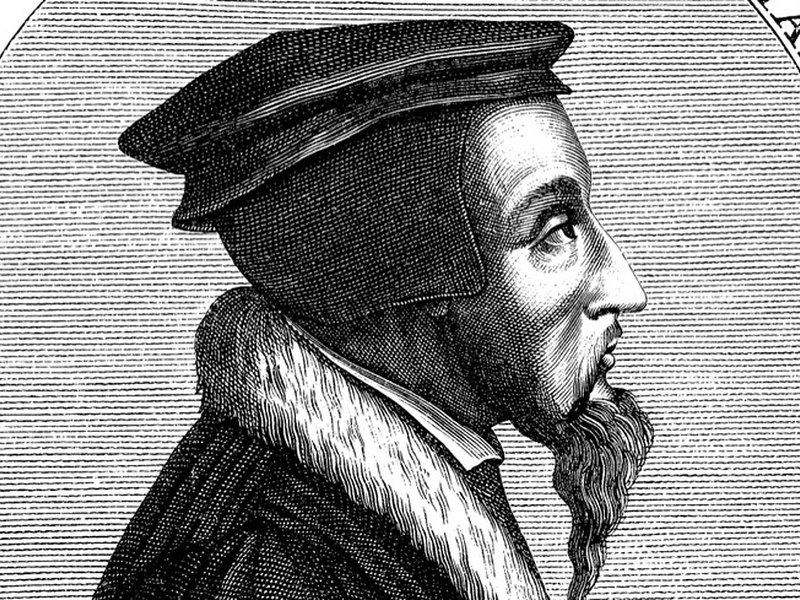
Calvin on the Pastor and Community

Book 4 of Calvin’s Institutes of the Christian Religion is a classic work of ecclesiology. This book is the longest section of the Institutes , showing Calvin’s deep interest in and love for the church. Among its many salutary features is a full scale exposition of those ecclesiastical leaders Calvin…

by Rich LuskJune 5, 2004

Showing page 224 of 309

See all

Showing page 30 of 43

See all

Derived Aseity

Aseity is the property that describes a being’s self-causation. In theology, to speak of divine aseity is to say that God exists in and of Himself. He is not derived from or dependent upon anything else. He is fully Himself in Himself and of Himself. He is a se .…

January 13, 2015

Pure and Holy

Naomi Koltun-Fromm argues ( Hermeneutics of Holiness ) that the concepts of purity and holiness, while normally distinct in the Hebrew Bible, are blurred in some passages where qadash is used in contexts that speak of purity and purification rather than of consecration. In 1 Samuel 21:6, David says that…

January 12, 2015

Holy Seed

Explaining Ezra’s concern about the mixed marriages in the restoration community, Naomi Koltun-Fromm ( Hermeneutics of Holiness ) writes, “Ezra presents Israel not only as holy but as a qodesh in its own right—a freestanding holy thing, a holy seed, a sanctum. As such, it must be protected (or in…

January 12, 2015

Catholic Historiography

In his contribution to Seeing Things Their Way , Richard Muller discusses and commends the recent effort to free church history from denominational apologetics. When the Reformers are viewed in the light of late medieval theology (as in the work of Heiko Oberman), unexpected commonalities appear: “Common ground can be…

January 12, 2015
Death

Die Alone, Live Alone

At the end of Albert Camus’s The Stranger , the narrator is on death row for killing an Arab. Death is familiar to him. It is the “black wind” that has blown through his entire life. For Camus’s Stranger, the inevitability of death makes life indifferent. It does not matter…

January 12, 2015

War of Indefinites

In his recent Zero to One , Peter Thiel sets out a neat typology of philosophy, politics, and cultural attitudes based on differing stances toward the future. He distinguishes optimists and pessimists, and subdivides each into “definite” and “indefinite.” Optimists and pessimists are obvious: One is bullish about the future,…

January 9, 2015

Showing page 478 of 2212

Browse by Category

In Medias Res

Your weekly digest for all things Theopolis.

Donate

Theopolis is nearly 100% donor-supported. Consider joining us on our mission.