Theopolis Logo

Writing

Explore our collection of theological essays, biblical studies, and reflections on faith and culture.

See all
sinitta-leunen-dvibhmzsy8e-unsplash
Epistemology

A Cheer for the Mystics

Mystical theologians are often unguarded, extreme, un-nuanced, pressing to the edges of heresy, sometimes beyond. Still, the mystics are worthy of study. Why? Many reasons. Unlike some late medieval and post-Reformation dogmaticians, mystical theologians are often instinctively and richly Trinitarian. Historical-critical approaches to Scripture left mystical theologians virtually untouched; mystics…

by Peter LeithartSeptember 2, 2013
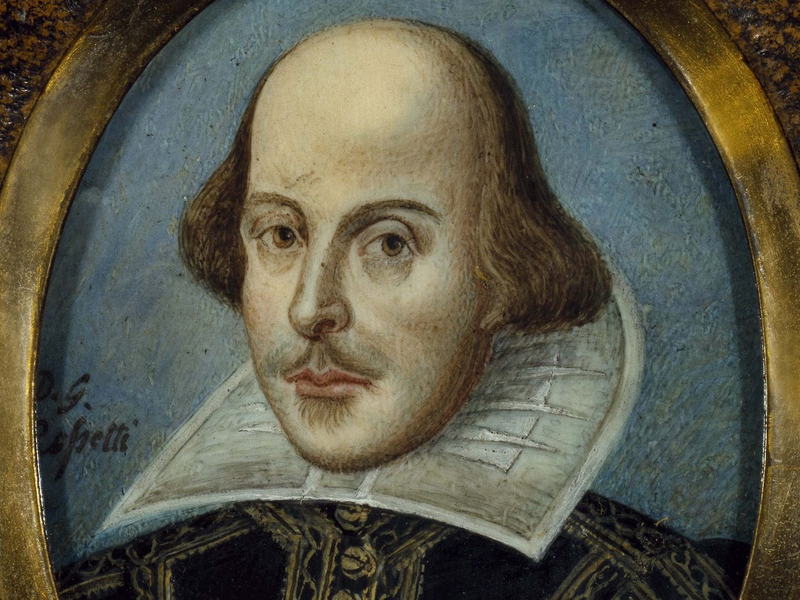
portrait-of-william-shakespeare-1564-1616-ca-1865
Literature

Shadow and Substance in Shakespeare's Venice

Portia of Belmont is a “lady richly left,” as Bassanio says of her in the first Act of The Merchant of Venice . Plus, she’s beautiful and wise. Suitors clamber to Belmont in hope. Her father knew it would be so, and in his will set up a fairy-tale test…

by Peter LeithartAugust 28, 2013
carlo-alberto-burato-smdx3gleu_m-unsplash
Liturgy

Liturgy Traps

[fve]http://vimeo.com/72195198[/fve]

by James B. JordanAugust 26, 2013
screen-shot-2022-05-12-at-12-07-23-pm
Deuteronomy

Victory Food

In the nature of the case, “the” Christian meditation on Deuteronomy 14:1-21 cannot be written. Meditation offers too many possibilities, opens too many doors. There is not one and only one correct set of associations for a Christian to consider when thinking of Deuteronomy 14:1-21. We could, for example, consider…

by Ralph Allan SmithAugust 21, 2013
aaron-burden-1ebsmyrau-s-unsplash
Romans

David's Sin and Israel's Salvation, Part I

Having retold the story of the cumulative sin of Israel leading to the great atonement on the cross, Paul then reemphasizes that, just as both Jew and Gentiles were locked into sin and judgment, now they are both justified by faith: Then what becomes of our boasting? It is excluded.…

by Mark HorneAugust 20, 2013
ben-white-w8qqn1pmqh0-unsplash
Deuteronomy

You are what you eat

Deuteronomy 14 is full of allusions to events of Israel’s history and other portions of Scripture. What would an Israelite learn by mediation on these allusions? The answer, I believe, is at least fourfold. Faith, Worship, War For the ancient Israelite first hearing Moses’ sermon, or perhaps hearing it read…

by Ralph Allan SmithAugust 15, 2013

Showing page 189 of 309

See all

Showing page 31 of 43

See all
Literature

Bardolater

Coleridge wrote, “Shakespeare knew the human mind; and its most minute and intimate workings, and he never introduces a word, or a thought, in vain or out of place: if we do not understand him, it is our own fault or the fault of copyists and typographers; but study, and…

January 18, 2006

Good Company

If Pascal were alive today, he would have a blog. Jonathan Edwards too.

January 18, 2006
History

Rise of Psychology

A thesis, which may prove, when the actual evidence is examined, to be wholly wrong: The thesis: Psychology and its related disciplines do not arise from clinical study or laboratory research, but as a branch of literary criticism. Evidence (extremely thin): Coleridge was the first to use the phrase “psycho-analytic.”…

January 17, 2006

Sermon Outline, Third Sunday After Epiphany

INTRODUCTION How are we to live in this world of vapor? Solomon tells us again and again to rejoice (e.g., 5:19-20), and implies that this joy comes in community with others. That theme of community is explicit in chapter 4, as Solomon reflects on the evils that destroy neighborliness and…

January 16, 2006
Philosophy

The Hebraism of Postmodernism, 2

James Smith offers this summary of one strand of Derrida’s essay, “Violence and Metaphysics”: “since philosophy is ‘primarily Greek,’ ‘it would not be possible to philosophize, or to speak philosophically, outside this medium.’ . . . But could one conceive philosophy otherwise? This, Derrida will show, is precisely what Levinas…

January 12, 2006
Philosophy

Theology and the Decentered self

Questioning the “self-present” ego did not begin with postmodern skeptics. Pascal already raised the question, what is the ego? and answered, “Suppose a man puts himself at a window to see those who pass by. If I pass by, can I say that he placed himself there to see me?…

January 12, 2006

Showing page 1899 of 2212

Browse by Category

In Medias Res

Your weekly digest for all things Theopolis.

Donate

Theopolis is nearly 100% donor-supported. Consider joining us on our mission.