Theopolis Logo

Writing

Explore our collection of theological essays, biblical studies, and reflections on faith and culture.

See all
31-03-0213
Hermeneutics

Apocalyptic Eyes

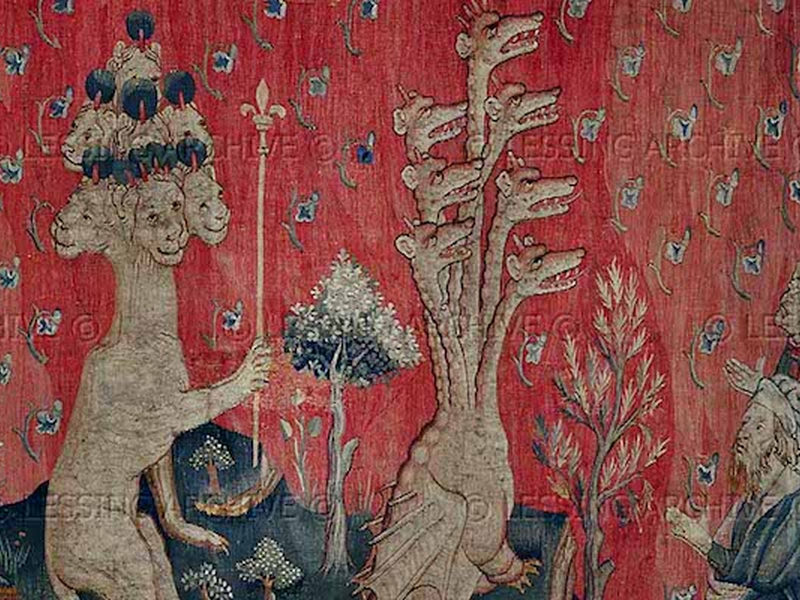
Flying scrolls. Red horses. Beasts coming out of the sea. Winged women. The list goes on. Apocalyptic literature in the Bible is like a cross between science fiction and Marvel comics. And the Bible has a fair bit of this sort of thing. Daniel sees visions in Babylon, Zechariah sees…

by Toby SumpterNovember 4, 2014

bhm-skyline-2
Theopolis News

New Name, New Look

Trinity House Institute has taken a new name, the Theopolis Institute. This striking new name expresses our unique vision and mission and captures the unified purpose behind all our specific programs and activities. We still have Bible, liturgy, and culture in our tagline. We still offer the same courses on…

by TheopolisNovember 4, 2014
istock_000012860926small
Atonement

Not Fearing the Devil

Adam Kotsko offers a socio-political variation on the Christus Victor atonement theory in his 2010 study, The Politics of Redemption: The Social Logic of Salvation . He does this by explaining "the devil" in terms of the Hegelian concept of "objective spirit," Geist . As Kotsko puts it, Geist "refers…

by Peter LeithartOctober 13, 2014
jez-timms-8muutamcwu4-unsplash
Leviticus

The Meaning of Sacrifice

Two factors keep Nahtali Meshel from discussing the meaning of sacrifice until late in his The "Grammar" of Sacrifice . The first has to do with the texts he draws from: "P says little about the meaning of its rituals" (174). The other has to do with the grammatical theory…

by Peter LeithartOctober 8, 2014
jez-timms-8muutamcwu4-unsplash
Leviticus

Praxemics

Chapter 5 of Naphtali Meshel's The "Grammar" of Sacrifice focuses on "praxemics," the physical actions of sacrificial ritual. Praxemes are constituted by six elements: an "atomact," an elementary physical act or gesture; an actor; an object that is acted up; a target for the action and often for the object…

by Peter LeithartOctober 6, 2014
markus-winkler-aid-xyrtlec-unsplash
Leviticus

Jugation and Hierarchy

Two chapters of Naphtali Meshel’s The “Grammar” of Sacrifice cover what he calls “jugation” and “hierarchies.” The first involves the addition of other materials to an animal offering. Jugates include wine, cereal, and oil that are added to the animals (zoemes) that are offered in sacrifice. Some jugates are coordinated…

by Peter LeithartOctober 1, 2014

Showing page 167 of 309

See all

Showing page 31 of 43

See all

Calvin on Signs

A remarkable statement of Calvin’s, from Institutes 4.14.18: speaking of the tree of knowledge and of the rainbow, Calvin says that these are given new being by the word of God that designates them as signs or testimonies. Then this Et antea quidem arbor erat arbor, arcus arcus; ubi inscripta…

February 12, 2004

Moral Luck and the Fragility of the Good Life

In Nussbaum’s treatment, “tragic” and “Aristotelian” conceptions of moral luck and the fragility of the good life are at one. In excluding poets, Plato not only kept certain forms of literature at bay, but was protecting against the tragic potential of life. For Plato, “the best and most valuable things…

February 12, 2004
Philosophy

Moral Luck

Nussbaum’s problematic of moral luck is quite intriguing: A good man is like a tree, she says at the beginning, quoting Pindar. But that means that the good man is dependent for his flourishing on all kinds of things beyond his control ?Erainfall, winds, sun, and so on and on.…

February 11, 2004
Theology

The Sophist Critique of Nomos

Should theology agree with the sophist critique of nomos ? It would seem so, as Thomas would say: The institutions of society are the product of human construction, and the claim that they are rooted in “nature” is a rhetorical device. It is human all the way down. If it…

February 11, 2004
Economics

The Weber Thesis

Years ago, I read David Landes’s Prometheus Unbound for a class in economic history, and I can still remember the fascination I experienced at his descriptions of the steel industry (though details are sadly forgotten). In his recent Wealth and Poverty of Nations , Landes, among many other things, spends…

February 11, 2004

“Nomos” in Greek Culture

There is further evidence concerning the meaning of nomos in Greek culture, coming from Martha Nussbaum’s Fragility of Goodness . In a discussion of Euripides’s Hecuba , Nussbaum points out that Polyxena, Hecuba’s daughter who is offered as a human sacrifice by the Greeks to appease the shade of Achilles,…

February 11, 2004

Showing page 2122 of 2212

Browse by Category

In Medias Res

Your weekly digest for all things Theopolis.

Donate

Theopolis is nearly 100% donor-supported. Consider joining us on our mission.