Theopolis Logo

Writing

Explore our collection of theological essays, biblical studies, and reflections on faith and culture.

See all
kalen-emsley-bkci_8qcdvq-unsplash-1
Biblical Horizons

The Sequence of Events in the Creation Week

To begin with the source of this narrative: Since no human being was present to observe these events, we must assume that this narrative was revealed directly by God to a human author. There are three ways this might have happened. First, we might read, "God said to Abraham (or…

by James B. JordanOctober 23, 1997
eq9mnztemoq7lwjacsh3ss
Biblical Horizons

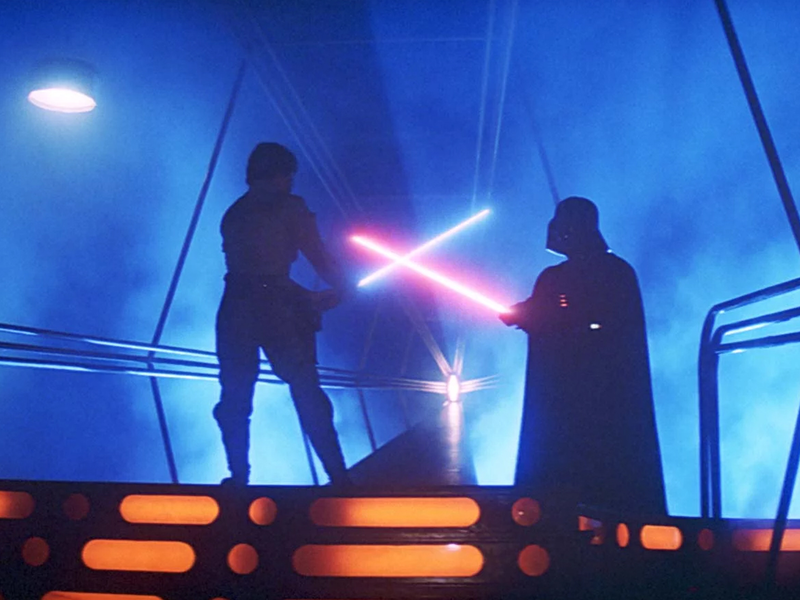
The Empire Strikes Back

The Empire Strikes Back is a movie most of us have seen more than once. It is generally regarded as the best of the three Star Wars films, which is probably due to the fact that unlike the other two, The Empire Strikes Back made use of the services of…

by James B. JordanOctober 4, 1997
lili-popper-lu15z1m_kfm-unsplash
Biblical Chronology

The Sequence of Events in the Creation Week, Part 1

Now that we have examined three unacceptable approaches to the events recorded in Genesis 1, it is only fair for me to set out what does seem to be recorded there. To begin with the source of this narrative: Since no human being was present to observe these events, we…

by James B. JordanOctober 4, 1997
raphael-schaller-gkincd2eniy-unsplash-6
Biblical Horizons

Cracking Up the “Bible Code”

Two books on the "Bible Code" have appeared this year. The first, a current bestseller, is Michael Drosnin’s The Bible Code (Drosnin, 1997). The other is Cracking the Bible Code (William Morrow, 1997), by Jeffrey Satinover, known to Christians for his outstanding 1996 book Homosexuality and the Politics of Truth…

by James B. JordanOctober 4, 1997
hannah-busing-0v6dmtujaik-unsplash
American Culture

The Case Against Western Civilization, Part 1

Part 1: Introduction The collapse of the Western tradition in the United States, seen in the hostility to Christianity in government and education, and the elimination of "traditional" or "canon" learning from our institutions of middle and higher learning, provides a crisis and an opportunity for serious believers at the…

by James B. JordanOctober 4, 1997
amjd-rdwan-erymmvvsy1y-unsplash-1
Theologia

Why Will You Die?

A Brief Defense of John Murray’s “the Free Offer of the Gospel,” & A Question About the Extent of the Atonement John Murray (1898-1975) is probably the last of the great American theologians; he belonged in the same set as that which contains such eminent Presbyterians as Charles Hodge and…

by Mark HorneOctober 3, 1997

Showing page 253 of 309

See all

Showing page 31 of 43

See all
Philosophy

More Reflections on Postmodernism

Back to reflections on post-modernism: It seems that Freud, not Nietzsche, is the really grandfather of the movement, though, not unexpectedly, some sons and grandsons efface his memory and resist his influence (not all, of course).

October 28, 2003
History

Courtly Love

On courtly love: The basic shift is from the ancient and early medieval view that eros sapped and vitiated virtus to a belief that eros was a condition of the possibility of virtus and valor. This is, as Lewis said, a seismic shift in sensibility, one that we still do…

October 28, 2003

Structure of Romans 1:16ff.

Jouette Bassler’s 1984 article “Divine Impartiality in Romans” ( Novum Testamentum ) present structural arguments for saying that the section beginning in Rom 1:16-18 runs through the middle of chapter 2. This is evident from the repetition of the verb prasso in 1:32 and again in 2:1-3; thus the center…

October 28, 2003
Philosophy

Postmodernism and the ’60s

It’s not at all accidental that postmodernism takes its rise in the mid-1960s. Bloom wrote the first draft of the anxiety of influence in 1967, and revised it over several years before its initial publication in 1973. Derrida’s annus miraibilis was 1967, which saw the publication of Speech and Phenomena…

October 28, 2003
Philosophy

Postmodernism and the ’60s

It’s not at all accidental that postmodernism takes its rise in the mid-1960s. Bloom wrote the first draft of the anxiety of influence in 1967, and revised it over several years before its initial publication in 1973. Derrida’s annus miraibilis was 1967, which saw the publication of Speech and Phenomena…

October 28, 2003
Philosophy

Murder of Father

Turns out that Harold Bloom’s “anxiety of influence” is just another variation on the same set of themes that Derrida is obsessed with — the son’s murder of the father. For Bloom, the son is the “strong poet” who resists the influence of his predecessor/father in order to carve out…

October 28, 2003

Showing page 2176 of 2212

Browse by Category

In Medias Res

Your weekly digest for all things Theopolis.

Donate

Theopolis is nearly 100% donor-supported. Consider joining us on our mission.