Theopolis Logo

Writing

Explore our collection of theological essays, biblical studies, and reflections on faith and culture.

See all
screen-shot-2021-07-15-at-9-14-19-am
Biblical Studies

The Beatitudes and Woes

Mrs. Marguerite Lane of Grand Rapids writes to ask if I have ever noticed a correlation between the eight beatitudes of Matthew 5 and the eight woes of Matthew 23. I confess that I have not. A glance at various commentators reveals that such a correspondence does not seem to…

by James B. JordanMay 15, 1989
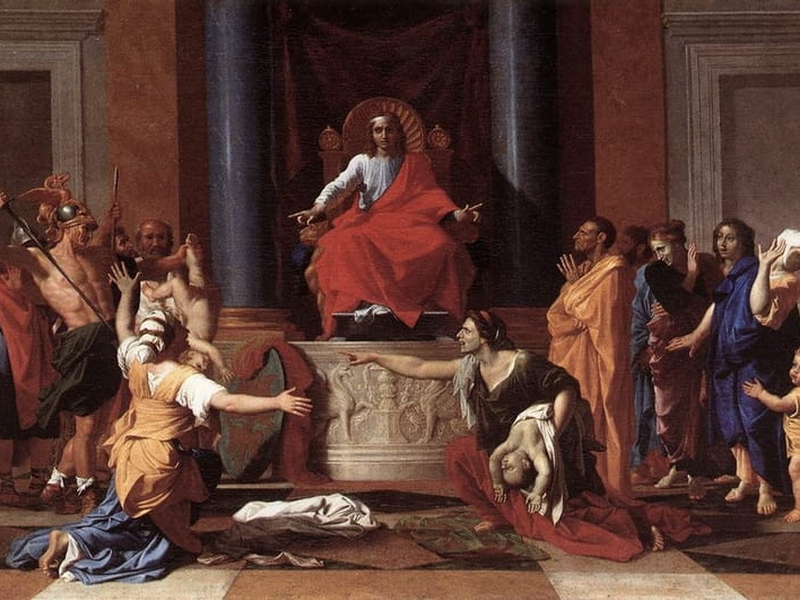
49980-nicolas_poussin_-_the_judgment_of_solomon_-_wga18330-800w-tn
Proverbs

Advice From a Sojourner, Part 1

1. The words of Agur, the son of Jakeh, the burden. The man declares to Ithiel, to Ithiel and Ucal: 2. Surely I am more stupid than any other man, And I do not have the understanding of a man. 3. And I have not learned wisdom, But I have…

by James B. JordanMay 15, 1989

hebrew-manuscript-6
Biblical Studies

The Problem of Psalm 137

Psalm 137 is widely regarded as one of the meanest of the imprecatory psalms. Certainly as we read it it is seems to be a song of pure vengeance. The exiles in Babylon, in grief over the judgment that Babylon has brought upon them, pray for the destruction of that…

by James B. JordanApril 15, 1989
timothy-eberly-djj49s6ud2o-unsplash
Biblical Studies

The Thigh of the Peace Offering

In the Levitical law, the priests received two particular portions of each peace offering: the "wave offering" of the breast and the "heave offering" (or better, "contribution") of the right thigh. The purpose of this essay is to attempt to determine the reason why the second of these, the thigh,…

by Peter LeithartApril 13, 1989
screen-shot-2022-01-07-at-6-38-22-pm
Biblical Studies

The Son of Joseph

The story of Jesus’ visit, early in His ministry, to the synagogue in His home town of Nazareth is recorded for us in Luke 4:16-30. You may remember that Jesus read from Isaiah about how the Messiah would preach the gospel, care for the poor, work miracles, and bring in…

by James B. JordanApril 12, 1989
e99a2225
Biblical Horizons

"Do This!"

(The essay that follows concerns a rather touchy subject: how the Lord’s Supper is to be done. I am not writing to insult or offend, but to challenge. To that end I have not "held back" but have "gone ahead" and said what I think needs to be said —…

by James B. JordanMarch 12, 1989
See all

Showing page 31 of 43

See all
History

Enlightenment

Two very different evaluations of the Enlightenment appear in recent books. First from Robert Darnton, historian of the French Enlightenment, who, according to the reviewer in the October 6 TNR , devotes the first and most substantative essay in his recent book George Washington’s False Teeth to defending the Enlightenment.…

October 20, 2003
Biblical Studies

Promised Land and Heaven

There’s a breakdown in the traditional typology that links “promised land” with “heaven.” Though the promised land is eschatologically a new heavens and new earth, the typology is more exactly fulfilled in the church’s fulfillment of the great commission on earth. After all, we don’t embark on a “conquest” of…

October 18, 2003
Biblical Studies

Moses the Matchmaker

Moses is the matchmaker who brings the bride to a trysting place with her lover, Yahweh. He is the “friend of the bridegroom” who, like John the Baptist, prepares the bride for her husband. As such, Moses and John are models for all Christian ministry, which is also all about…

October 18, 2003
Biblical Studies

Horned Man

Something to check: Is Moses the first “horned man” in the Bible? He comes down from the mountain, having seen the glory of God, with “horns” on his head, rays of glory radiating out. This may be the source of the horned man image used elsewhere, in the Psalms for…

October 18, 2003

“From Faith” (Rom. 1:17)

Douglas A. Campbell argues forcefully for interpreting the phrase ek pisteos (from faith) in Romans 1:17 as a reference to the faithfulness of Christ in his obedience to death. This, in turn, suggests strongly that Paul’s later use of pistis Christou (faith of Christ) as Christ’s own faithfulness rather than…

October 18, 2003

“From Faith” (Rom. 1:17)

Douglas A. Campbell argues forcefully for interpreting the phrase ek pisteos (from faith) in Romans 1:17 as a reference to the faithfulness of Christ in his obedience to death. This, in turn, suggests strongly that Paul’s later use of pistis Christou (faith of Christ) as Christ’s own faithfulness rather than…

October 18, 2003

Showing page 2181 of 2212

Browse by Category

In Medias Res

Your weekly digest for all things Theopolis.

Donate

Theopolis is nearly 100% donor-supported. Consider joining us on our mission.