Theopolis Logo

Writing

Explore our collection of theological essays, biblical studies, and reflections on faith and culture.

See all
screen-shot-2021-03-02-at-10-31-45-am
Marriage

Eating the Meat, or Inviting Colonization?

One common trope which is regularly invoked in current debates about the defensibility versus the danger of Christian engagement with critical theories (or, species of Critical Theory) is the idea of “ eating the meat but spitting out the bones .” Usually not far behind is a nod to the…

by James WoodMarch 2, 2021

screen-shot-2021-02-25-at-10-59-54-am
Proverbs

Proverbial Eschatology

I am writing about the book of Proverbs in the Bible and “Eschatology.” I don’t refer only to the end of time, or “last things” that will happen in history before it ends as we know it. I am referring to all times of God’s judgment wherein He ends an…

by Mark HorneFebruary 25, 2021
maxresdefault
Augustine

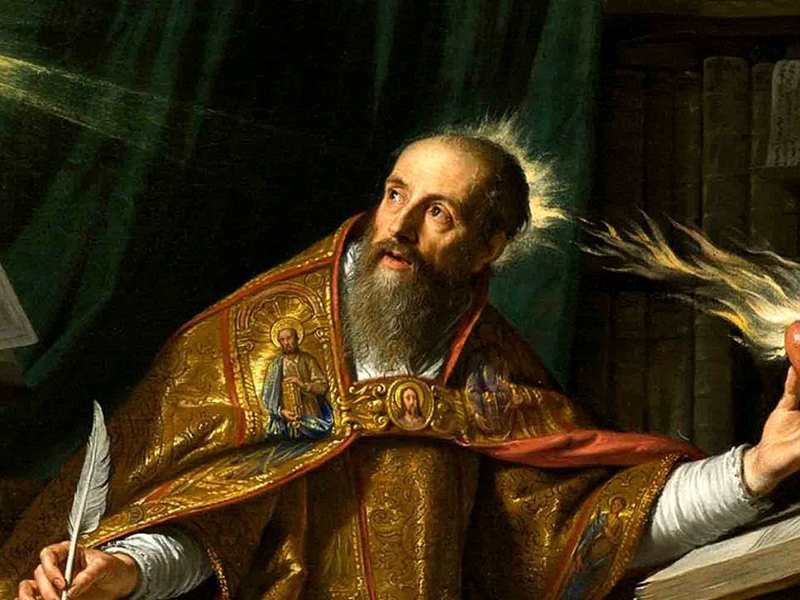
Primacy of Worship for Political Unity

“Unity” is the word of the day. In his inaugural address, Joe Biden invoked St. Augustine to inspire Americans to come together around certain shared values. As others have recently argued, Biden misreads Augustine in important ways. My argument here is that if we seek political unity and civic health…

by James WoodFebruary 23, 2021
arseny-togulev-apq9q5pkits-unsplash
Matthew

Jesus, the Temple Tax and Four-Fold Atonement

This is part two of a series which began here ( The Half Shekel Temple Tax ) in which I answer back, hoping not to rebut but to glorify, some observations Peter Leithart made in a thought-provoking piece about the Temple Tax as atonement ( Atonement Money ). Adding economic…

by Jerry BowyerFebruary 16, 2021
simple-frame-photography-studio-facebook-cover
American Culture

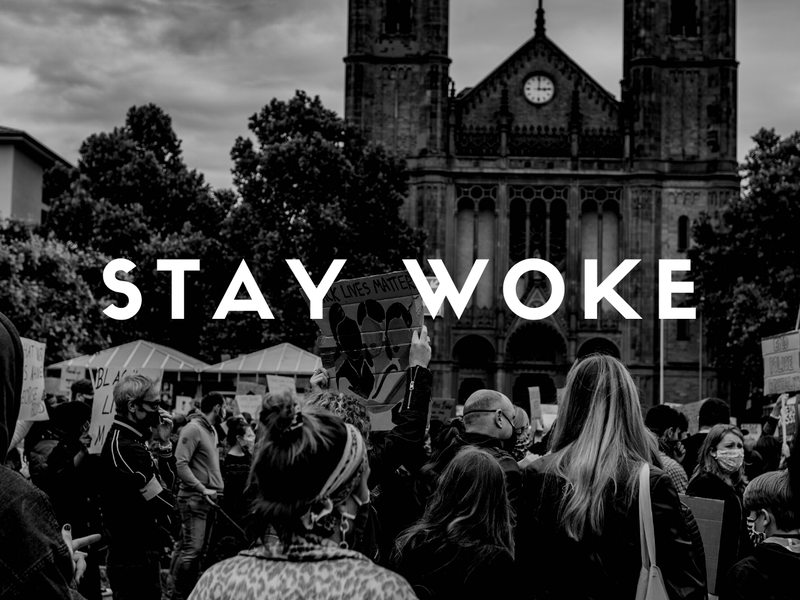
Wokeness as Post-Protestant Neopaganism

It is now commonplace to characterize Wokeness (or “ Wokeism ”) as a religion , or at least religion-like . What I would like to explore is an elaboration on this emergent consensus, supplementing it with some theological analysis. Wokeness, I propose, is a form of post-Protestant neopaganism. It resembles…

by James WoodFebruary 9, 2021
960x0
Movies

Alien 3: Through New Eyes

Science Fiction movies often retell old stories and myths with greater impact for modern people. A being from another world or a technologically advanced human can embody an ancient god or demon and viewers are suddenly unwittingly enthralled by Ur tales that emerged from hundreds of years of human experience.…

by Jacob GuckerFebruary 2, 2021

Showing page 58 of 309

See all

Showing page 31 of 43

See all
Modernity

Multiple Modernities

“Classic theories of modernization, from the 1950s,” write the editors of Reflections on Multiple Modernities , “identified the core of modernity, of modern social structure, as the decomposition of older ‘closed' formations and . . . of the growing potential for social mobilization, and the concomitant development of new structural,…

May 3, 2016

Signs of the Times

In a 2009 University of Michigan dissertation, Richard Persky explores the cultural meaning of time in ancient Greece, focusing on the concept of kairos . According to Persky, “a kairos is a moment of opportunity, the right time to do some particular thing. The allegorical sculpture made by Lysippos and…

May 2, 2016

Jerusalem's Jasper Walls

Jerusalem descends from heaven a jeweled bride, with the luminosity of a precious stone, a “crystal-clear jasper” (v. 11; hos litho iaspidi krustallizonti ). She is also surrounded by a jasper wall (v. 18). How might the city be related to the wall? The structure of 21:18-22 gives us a…

May 2, 2016

Shakespeare and Chivalry

In the Weekly Standard , Paul Cantor explains that both Shakespeare and Cervantes aimed their writing at a common target: Chivalry. He describes chivalry as “a noble ideal and at its best it did much to refine an otherwise coarse and brutal world, but it rested on shaky foundations and…

May 2, 2016

Liturgy and Charity

Susan Holman ( The Hungry Are Dying ) draws on recent scholarship to argue that “food doles, communal religious feasts, public works, or subsidized public entertainment prior to the Christianization of Graeco-Roman culture did not function out of any concern to alleviate poverty per se.” These “public works” or leitourgia…

April 29, 2016

Bring Us To God

Peter tells us that Jesus was the “just” man who suffered for the sins of the “unjust,” and that the purpose of this suffering was to “bring us to God.” William Dalton ( Christ's Proclamation to the Spirits ) points out that the verb prosago has technical legal meaning in…

April 29, 2016

Showing page 294 of 2212

Browse by Category

In Medias Res

Your weekly digest for all things Theopolis.

Donate

Theopolis is nearly 100% donor-supported. Consider joining us on our mission.