Theopolis Logo

Writing

Explore our collection of theological essays, biblical studies, and reflections on faith and culture.

See all
308750rgsdl
Biblical Theology

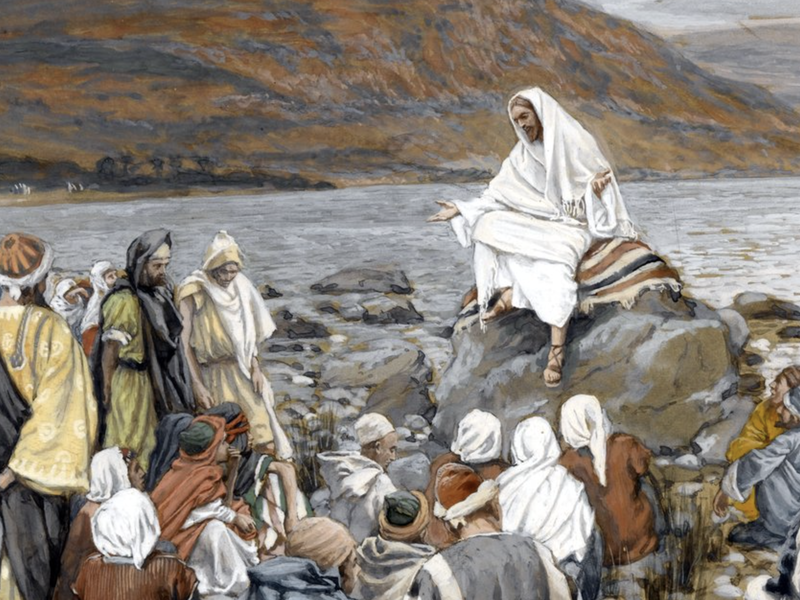
Biblical Bestiary and Covenant Creatures, Part 3: Reunion of Man and Beast in Christ

Abbreviated Introduction to the Series Scripture is absolutely dripping with animal metaphors. Animal traits, characteristics, and appearances are attributed to God, Man, Angels, Nations, Armies. Since animals are the lowest creature in the three-tiered hierarchy, they are useful to metaphorically focus on a single aspect of God (bold like a…

by Jonathan WhiteOctober 27, 2025
screenshot-2025-10-21-at-2-22-31-pm
Matthew

Authority that Heals: Unpacking Matthew 4:18 – 10:4

Many years ago, while perusing Janice Anderson’s revised doctoral dissertation, Matthew’s Narrative Web: Over, and Over, and Over again , I was impressed by her attention to literary structures of repetition within and across Matthew’s Gospel. 1 Her research, in part, nudged me closer toward my present conviction that Matthew…

by Jonathan SedlakOctober 21, 2025
screenshot-2025-10-20-at-4-47-19-pm
Biblical Theology

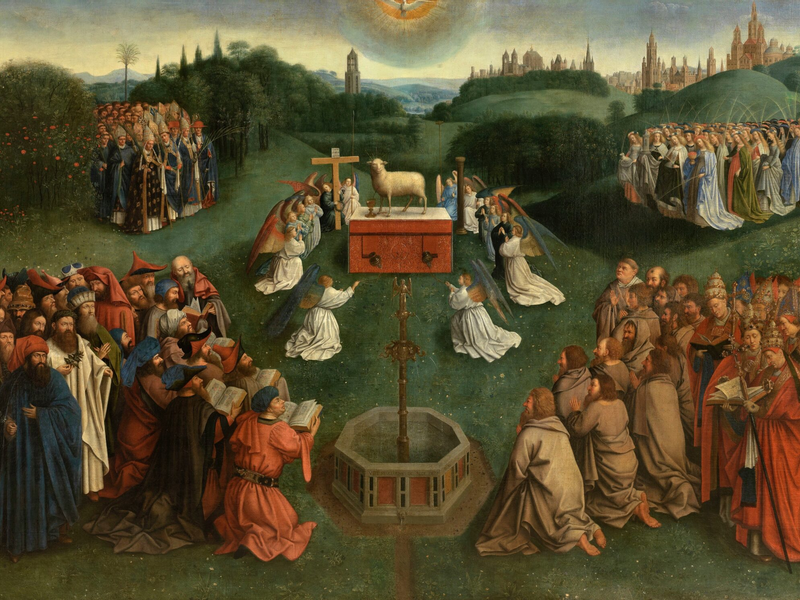
Biblical Bestiary and Covenant Creatures, Part 2: The Animalistic Dehumanization of Sin

Abbreviated Introduction to the Series Scripture is absolutely dripping with animal metaphors. Animal traits, characteristics, and appearances are attributed to God, Man, Angels, Nations, Armies. Since animals are the lowest creature in the three-tiered hierarchy, they are useful to metaphorically focus on a single aspect of God (bold like a…

by Jonathan WhiteOctober 20, 2025
screen-shot-2025-10-14-at-7-34-36-am
Song of Songs

Like a Lily Among Thorns: Hailing the Suffering Christ in Canticles

“Like a lily among the thorns, so is my love among the maidens… My beloved is mine and I am his; he pastures among the lilies.” Song 2:2, 16 In chapter two of the Song of Solomon, the Beloved compares his Love to a lily among thorns. The language of…

by Mark BriansOctober 14, 2025
eric-welch-xuch5jnrfig-unsplash
Biblical Theology

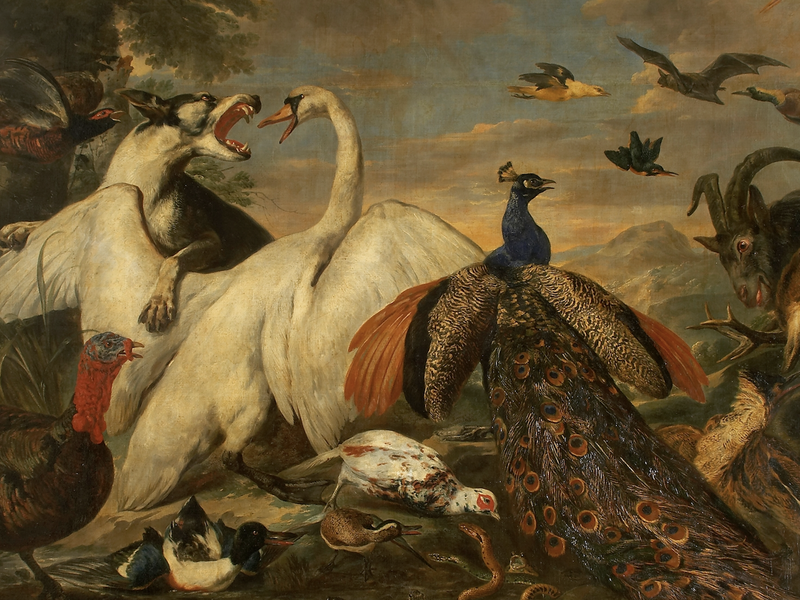
Biblical Bestiary and Covenant Creatures, Part 1: The Shared Spirit of Men and Beasts

Introduction From the very beginning, angels and animals have played mediating roles between God and Man. Just as the World was made three-tiered (Heaven, Earth, Deep), so the creatures were made (Angels, Men, Animals). Before Christ came to build the permanent bridge across the chasm between God and Man, various…

by Jonathan WhiteOctober 13, 2025
getty-images-nim1o1t51qq-unsplash
Matthew

Parables of Land and Sea in Matthew 13

Matthew 13, the third major discourse of the apostle’s gospel, is comprised almost entirely of parables. While it may seem that all the parables serve the same purpose in fulfilling the prophet Isaiah (Matthew 13:14), the parables found in verses 44–52, at the very least, function outside that purpose. This…

by David TownsendOctober 9, 2025
See all

Showing page 32 of 43

See all
History

Where was Augustine?

The Reformed Orthodox were entirely correct to discern a fundamental threat and challenge in the spread of Cartesianism, especially as regards the relation of philosophy and theology. But it’s hard to read about their responses without sadness. “Whatever reason brings out of its stinking heaps must be subordinate to the…

April 23, 2008
History

Descartes, Pro and Contra

On the one hand: Method is a discipleship - a “following after.” And the Cartesian methodus is in conflict with the “following after” demanded of a Christian disciple. Here, Descartes offers a different way, a different truth and life. The Christian “method” of knowledge and wisdom is discipleship, not doubt…

April 23, 2008
History

Cartesian critique

Bizer again, on Melchior Leydekker’s summary of the Cartesian critique of Reformed orthodoxy: “The Cartesians reproach the orthodox to the effect that their theology is not scriptural, that they have re-introduced Catholic scholasticism into the Church; that they hinder every advance in knowledge and their work does not have scientific…

April 23, 2008

Lutherans at bay

At several points, Bizer notes that the Reformed orthodox critics of Cartesian philosophy and its application to theology formulated their arguments to buttress their opposition to Lutheran ideas of the real presence. Peter van Mastricht “resists the proposition that God could do something contradictory; one of the reasons for this…

April 23, 2008
History

Orthodoxy’s failure

Reformed Orthodoxy failed to stop the spread of Cartesian philosophy, despite vigorous efforts. Why? Bizer suggests that the orthodox critique often adopted much of what it criticized. In Martin Schoock’s notorious response to Descartes, “there is no word . . . about the fact that the Cartesian proof of God…

April 23, 2008
History

Cocceian-Cartesians

Johannes Cocceius, a father of biblical theology, would seem to have little in common with Cartesian rationalism. But most of the Cocceians in the latter part of the 17th century were Cartesians. Ernest Bizer (in an article entitled “Reformed Orthodoxy and Cartesianism”) suggests that there was an affinity between the…

April 23, 2008

Showing page 1528 of 2212

Browse by Category

In Medias Res

Your weekly digest for all things Theopolis.

Donate

Theopolis is nearly 100% donor-supported. Consider joining us on our mission.