Theopolis Logo

Writing

Explore our collection of theological essays, biblical studies, and reflections on faith and culture.

See all
screen-shot-2021-06-03-at-8-49-15-am
Ezra

Ezra: The Aaronic Rest-Giver

If you’re a preacher looking for good commentaries on Ezra, you’ll struggle. Certainly to find ones that wrestle in good detail with the text. And certainly ones that don’t cost you an arm and a leg. There’s a good bit more for Nehemiah, which is odd, as the two are…

by Rhys LavertyJune 8, 2021

christian-lue-k1e6994p3t8-unsplash
1 John

1 John in Community

Quick thought experiment: try to pretend you’ve never read 1 John before. Read 1:1-6. Go ahead; I’ll wait. Now, on to v. 7: “But if we walk in the light as He is in the light, we have fellowship with ______….” What word would you expect in that blank, based…

by Tim NicholsJune 1, 2021
noahs-ark-genesis
Hermeneutics

Spending Time with Noah: Reflections on Prepositions in the Flood Narrative

In my work as a Bible translator, I was recently checking our translation team’s draft of Genesis 8:8, which says of Noah (translating the Hebrew quite literally): And he sent out the dove from with him to see: had the waters lessened from upon the face of the ground? Part…

by Josh JensenMay 25, 2021
86758
Philosophy

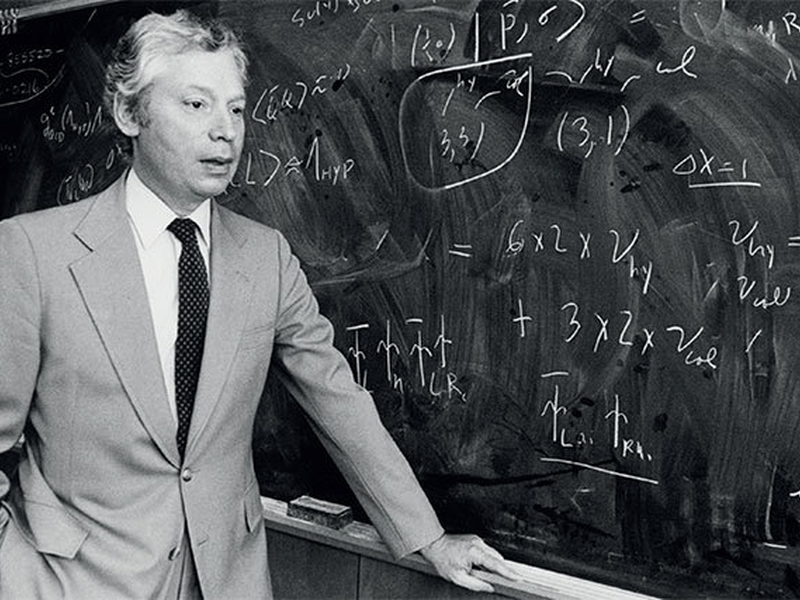
Steven Weinberg Destroyed My Faith

Just in case a reader may not know Weinberg, he is a theoretical physicist and the winner of the Nobel prize in physics in 1979, as well as countless other prizes for his research. He is also a prolific, lucid, and captivating writer. If you want to read something on…

by Ralph Allan SmithMay 18, 2021
screen-shot-2020-09-17-at-9-11-45-am
Colossians

Reconciliation in Colossians 1:20

Colossians 1:15-20 is a famous passage in Paul’s epistles because it is a succinct and powerful poem. It appears even to have been a hymn. Given the uniquely Pauline language — “reconciliation” is a term used only by Paul — it should not seem odd to attribute the poem/hymn to…

by Ralph Allan SmithMay 11, 2021
stalker_still
Movies

Terror of Knowing Myself

Stalker (1979) is a film by Andrei Tarkovsky based on Roadside Picnic by the Strugatsky brothers. It shows a day from the life of a stalker, a man who enters the so-called "Zone", an Alien landing site, where he leads people to a room that grants people’s innermost desires, which…

by Bogumil JarmulakMay 4, 2021

Showing page 55 of 309

See all

Showing page 32 of 43

See all
Theology

Sade and the cross

Notoriously, the Marquis de Sade stole some consecrated wafers, pushed them into a prostitute’s vagina, and had sex, saying, “Avenge yourself, if you are God.” He meant this as blasphemy, and it is. But his blasphemy only shows just how insurmountable Jesus is. Sade thought himself innovative, but he only…

January 19, 2007

Holes

Individualism treats us as splendidly isolated beings, our real selves fountains of ideas and desires but impenetrable to anything from the outside. How ever did we get this idea? By ignoring the body. If the body is at all a clue to the secret of human life, it shows us…

January 18, 2007
History

Tribalism

To grasp what Rosenstock-Huessy says about tribalism, we need to recognize that he sees the tribe as one moment in the development of ancient civilization. In The Fruit of Lips, he describes the origin of the tribe: “The ancient cycle began in the primitive tribe, among a little group of…

January 18, 2007
Economics

Marxism

In his chapter on the Bolshevik Revolution, Rosenstock-Huessy spends a number of pages digressing about Marx and Marxism. The following notes summarize his treatment of Marxism. Marx, Rosenstock-Huessy begins, is the culmination of the protest against the “order of things” from within Western civilization itself. Marx is biographically well-positioned for…

January 18, 2007
Philosophy

Farewell to Descartes

Rosenstock-Huessy’s brief essay on Descartes (included in I Am An Impure Thinker, extracted from Out of Revolution) highlights a number of recurring themes in Rosenstock-Huessy’s work: He discusses his own formula, Respondeo etsi mutabor, in contrast to the cogito of Descartes; he attacks the abstractions of science and modern thought;…

January 18, 2007

Unbearable burden of Evangelicalism

Anti-sacramental, anti-ritual evangelicalism emphasizes a personal relationship with God, but tends to encourage what Anthony Giddens calls “pure relationship,” a relationship that is not tacked down with external anchors and supports. A live-in relationship, without benefit of the rites and legalities of marriage, is a pure relationship. Evangelicalism tends to…

January 18, 2007

Showing page 1733 of 2212

Browse by Category

In Medias Res

Your weekly digest for all things Theopolis.

Donate

Theopolis is nearly 100% donor-supported. Consider joining us on our mission.