Theopolis Logo

Writing

Explore our collection of theological essays, biblical studies, and reflections on faith and culture.

See all
screen-shot-2022-08-04-at-9-36-57-am
Matthew

Paul Doesn't Care About Universal Individual Sinfulness or General Revelation

One reason readers assume Paul is trying to prove that all human beings are sinful is that they understand him to be arguing that no one can keep the law. That means, they think, his opponents must believe that human nature is potentially sinless. Taking Paul’s statement that, if you…

by Mark HorneJune 17, 2013

karsten-wurth-imegmbunara-unsplash
Mission

Dreams and Visions

[Note: This post was written prior to our name changing to Theopolis Institute.] What is Trinity House for? Three things: We aim to advance the reformation of the church and, through the church, to promote the renewal of culture; in furthering reformation, we aspire to be a site of fraternal,…

by Peter LeithartJune 12, 2013
sixteen-miles-out-al48tflf4e8-unsplash
Deuteronomy

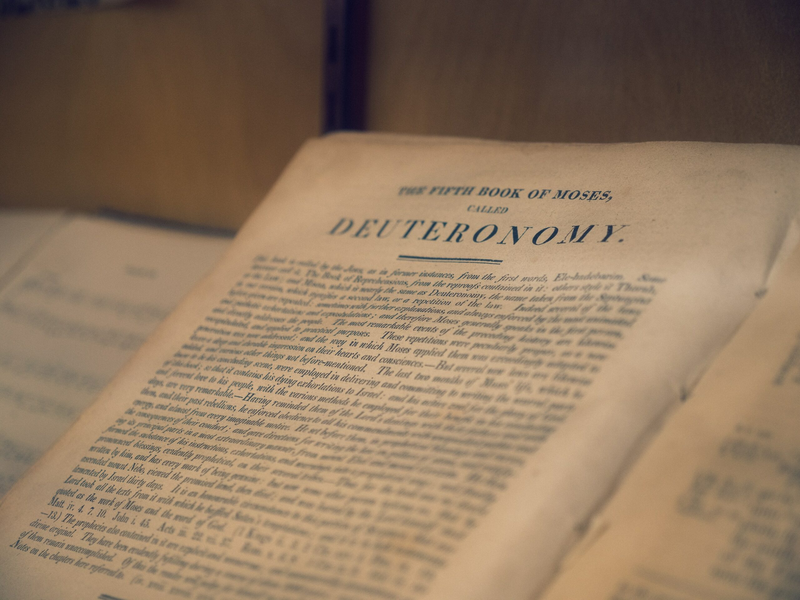
Sons to Yahweh your God!

This is the third in a series of studies of the Third Word, and especially of Deuteronomy 14. In 1979 Stephen Kaufman penned a groundbreaking essay on Deuteronomy, arguing that it was a meticulously structured and carefully composed book. In his view, chapters 12 to 26 in particular follow the…

by Ralph Allan SmithJune 10, 2013
kelly-sikkema-gpoh17dxqdm-unsplash
Romans

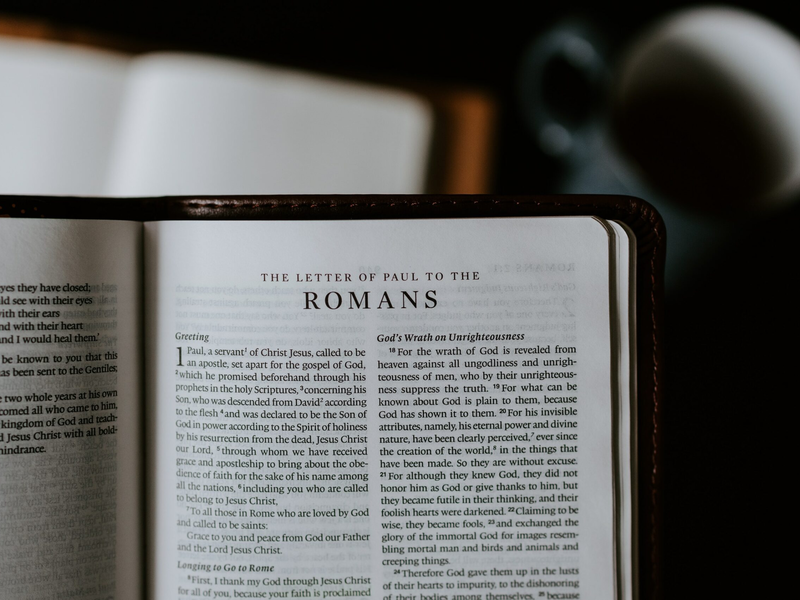
How is Wrath Revealed?

A large mistake is made in understanding Romans if one assumes that Paul is concerned with proving the fact that no one can ever live without sin—or that all attempts at obeying God’s commands are at least tainted with human sinfulness. The first problem with such an assumption is that…

by Mark HorneJune 5, 2013
chris-bair-ndczc5739ck-unsplash
Deuteronomy

The Third Word

This is the second in a series of studies on the Third Word, and especially on the food laws of Deuteronomy 14. In the second part of this series, I argue that Moses’ reworking of the Ten Words in Deuteronomy 5 includes adding nuance to the Third Word. This prepares…

by Ralph Allan SmithJune 3, 2013
yannis-papanastasopoulos-if_29sed7ta-unsplash
Culture

Turning Babel into a Beast

Recent months have brought a lively discussion of Christian participation in the culture war. On the one hand, the pro-life movement appears to be making some slow progress on the abortion issue. The trial of abortionist and serial murderer Kermit Gosnell has the potential to awaken those who are nominally…

by Joe RigneyMay 29, 2013

Showing page 193 of 309

See all

Showing page 32 of 43

See all
Literature

Bardolater

Coleridge wrote, “Shakespeare knew the human mind; and its most minute and intimate workings, and he never introduces a word, or a thought, in vain or out of place: if we do not understand him, it is our own fault or the fault of copyists and typographers; but study, and…

January 18, 2006

Good Company

If Pascal were alive today, he would have a blog. Jonathan Edwards too.

January 18, 2006
History

Rise of Psychology

A thesis, which may prove, when the actual evidence is examined, to be wholly wrong: The thesis: Psychology and its related disciplines do not arise from clinical study or laboratory research, but as a branch of literary criticism. Evidence (extremely thin): Coleridge was the first to use the phrase “psycho-analytic.”…

January 17, 2006

Sermon Outline, Third Sunday After Epiphany

INTRODUCTION How are we to live in this world of vapor? Solomon tells us again and again to rejoice (e.g., 5:19-20), and implies that this joy comes in community with others. That theme of community is explicit in chapter 4, as Solomon reflects on the evils that destroy neighborliness and…

January 16, 2006
Philosophy

The Hebraism of Postmodernism, 2

James Smith offers this summary of one strand of Derrida’s essay, “Violence and Metaphysics”: “since philosophy is ‘primarily Greek,’ ‘it would not be possible to philosophize, or to speak philosophically, outside this medium.’ . . . But could one conceive philosophy otherwise? This, Derrida will show, is precisely what Levinas…

January 12, 2006
Philosophy

Theology and the Decentered self

Questioning the “self-present” ego did not begin with postmodern skeptics. Pascal already raised the question, what is the ego? and answered, “Suppose a man puts himself at a window to see those who pass by. If I pass by, can I say that he placed himself there to see me?…

January 12, 2006

Showing page 1899 of 2212

Browse by Category

In Medias Res

Your weekly digest for all things Theopolis.

Donate

Theopolis is nearly 100% donor-supported. Consider joining us on our mission.